Nature’s Neatest Packaging: Understanding the Biology and Mystery of Owl Pellets
Article Editorial Team
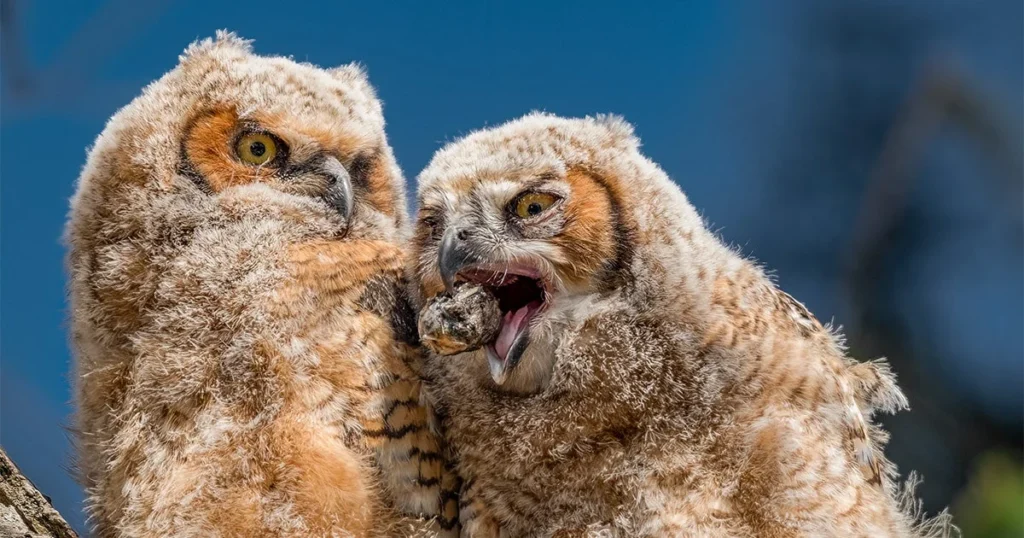
When hikers or bird enthusiasts stumble upon a small, unassuming, brown-toned nugget tucked away in the undergrowth of a forest, the immediate assumption is often that they have discovered animal scat. While it is a logical conclusion given the setting, that peculiar bundle is frequently something far more fascinating: an owl pellet. These matted, oval-shaped packages, composed of fur, feathers, and bone, represent a sophisticated biological mechanism that allows owls to thrive in the wild while keeping their digestive systems free from hazardous, indigestible materials. Far from being a mere byproduct of nature, these pellets provide a window into the life of a raptor and serve as a vital indicator of an owl’s presence in the ecosystem.
Distinguishing Between Biology’s Waste Streams
A common misconception is that owl pellets are a form of vomit or, conversely, a type of defecation. In truth, they are neither. Pellets are the result of a deliberate, healthy, and highly efficient digestive process that allows an owl to safely discard the "schmutz" it cannot process. While an owl does indeed defecate—producing a distinct, chalky, white, and often drippy substance that looks like a Rorschach blot—the pellet is a completely different entity.
Regurgitation, in the context of an owl, is a normal, daily occurrence. It is not an involuntary reflex triggered by illness, as human vomiting would be. If an owl were to vomit due to sickness, it would be an uncommon and distressing sight, whereas the "casting" of a pellet is a standard part of the bird’s routine. After the owl consumes its prey, the indigestible components—such as rodent fur, skeletal fragments, and feathers—are bundled together in the stomach and expelled through the beak. This process ensures that the owl’s digestive tract is not obstructed or damaged by sharp bones or dense fur, allowing the bird to continue hunting effectively.
Observing the ground beneath a favorite roosting tree can reveal a great deal about the health and activity of the local owl population. If you see white, runny scat alongside dry, compact, fur-covered nuggets, you have likely found a site where an owl spends its daylight hours. While the scat indicates the presence of a bird, the pellets provide the tangible evidence of what that bird has been consuming, offering a clear map of its recent hunting success.
The Anatomy of Digestion: Two Stomachs, One Job
To understand how these pellets are formed, one must look at the unique anatomy of an owl. Unlike many other predatory birds that may tear their food into manageable pieces before swallowing, owls typically ingest their prey whole. This habit creates a significant challenge for the digestive system: how to extract nutrients from meat while dealing with bulky, non-nutritive materials like skeletons and hides.
The process begins in the proventriculus, or the glandular stomach, which initiates digestion. From there, the material passes into the gizzard, a muscular organ that acts as a secondary chamber. Because owls lack teeth, the gizzard plays a crucial role in breaking down food. However, owl stomach acids are notably weaker than those of many other avian species. These acids are sufficient to dissolve soft tissues, but they are not potent enough to liquefy bone or dense fur.
Consequently, the gizzard acts as a filter. It compacts the remaining indigestible mass into a tight, oval shape, protecting the stomach lining from sharp bone fragments as the pellet is formed and moved back up the esophagus to be expelled. This process takes roughly six to ten hours. It is an evolutionary solution to a dietary constraint: because owls cannot mechanically process their food with a mouth, their digestive system has evolved to do the "chewing" internally, resulting in the neat, furry packages researchers and nature enthusiasts find on the forest floor.
Insights Into the Food Web
Beyond being a survival mechanism, the owl pellet is a treasure trove for naturalists. By dissecting a pellet, one can effectively reconstruct the owl’s recent diet. The contents are a direct reflection of the local food web, containing the specific remnants of the prey species that the owl encountered.
A careful examination often reveals skulls, jawbones, ribs, and femurs. These can be identified with surprising precision. For instance, the presence of a skull featuring red-tipped, triangular teeth is a telltale sign that the owl recently feasted on a shrew, while the crescent-shaped incisors of a rodent skull clearly point to a mouse or vole. The exterior of the pellet itself is typically a matted layer of fur, which acts as a natural binding agent to keep the internal skeletal structure intact until it is cast.
This record of consumption is temporary, however. Once a pellet is on the ground, it becomes subject to the elements. Microbes in the soil eventually break down the organic material, turning the fur and bone back into nutrients that support the forest floor. It is a circular process that highlights the owl’s integral role in the environment, moving nutrients from the prey back into the soil, all while leaving behind a detailed logbook of its hunting habits.
Variability Across Species and Environments
It is important to note that not all pellets are created equal. The physical characteristics of a pellet—its size, density, and contents—can vary significantly depending on the species of the owl and the prey available in its habitat. A Barn Owl, for example, typically produces a dense, dark, and smooth-surfaced pellet that holds together quite well. In contrast, a Great Horned Owl produces a much more fragile, porous, and grayish mass where bones are often visibly protruding from the sides.
Other species, such as the Eastern Screech-Owl, create smaller, tightly packed pellets that may contain a higher proportion of insect exoskeletons compared to the fur-and-bone-heavy pellets of larger raptors. The variation extends beyond owls as well. Hawks, herons, gulls, and even crows are known to produce pellets. However, these are often less uniform and contain a wider variety of materials—such as fruit seeds, crustacean shells, or, in the case of urban gulls, even bits of plastic—reflecting their more diverse or opportunistic diets.
Responsible Observation and Handling
For those interested in studying these biological artifacts, caution is advised. While pellets are fascinating, they are also biological material and can potentially harbor pathogens or bacteria if handled improperly. The safest way to interact with them is to treat them with the same care one would use for any wild-found specimen.
If you are scouting for pellets in the wild, never approach an active nesting site. Owls are sensitive to disturbance, and the presence of humans can cause significant stress, particularly during the breeding season. Instead, look for pellets under known, non-active roosting sites, such as old barns, silos, or dense clusters of coniferous trees. When collecting a fresh pellet, it is essential to wear gloves.
For those planning to conduct a dissection, whether at home or in an educational setting, sterilization is a recommended safety step. Wrapping the pellet in aluminum foil and baking it can eliminate potential pathogens. Many educators opt to purchase pre-sterilized, commercially available pellets, which allow for a safe, hands-on experience without the risks associated with raw, wild-collected samples.
When performing a dissection, patience is key. Using simple tools like tweezers or a toothpick allows one to slowly tease away the fur, revealing the hidden skeletal structure beneath. By grouping the bones found within a single pellet, one can often reconstruct the skeleton of the prey animal, providing a tangible and deeply educational connection to the natural world.
The owl pellet serves as a reminder that the world of nature is constantly processing, recycling, and interacting in ways that are often invisible to the casual observer. From the mechanics of the owl’s two-chambered stomach to the final, neatly packaged record of its meal, the life of a raptor is defined by a cycle of survival that is as efficient as it is mysterious. Whether found in a quiet woodland or an old, dusty barn, these pellets offer a unique and compelling perspective on the life of one of the world’s most successful hunters.
Related News