NASA’s Swift Observatory Is Expected To Re-Enter Earth On November 4
Article Editorial Team
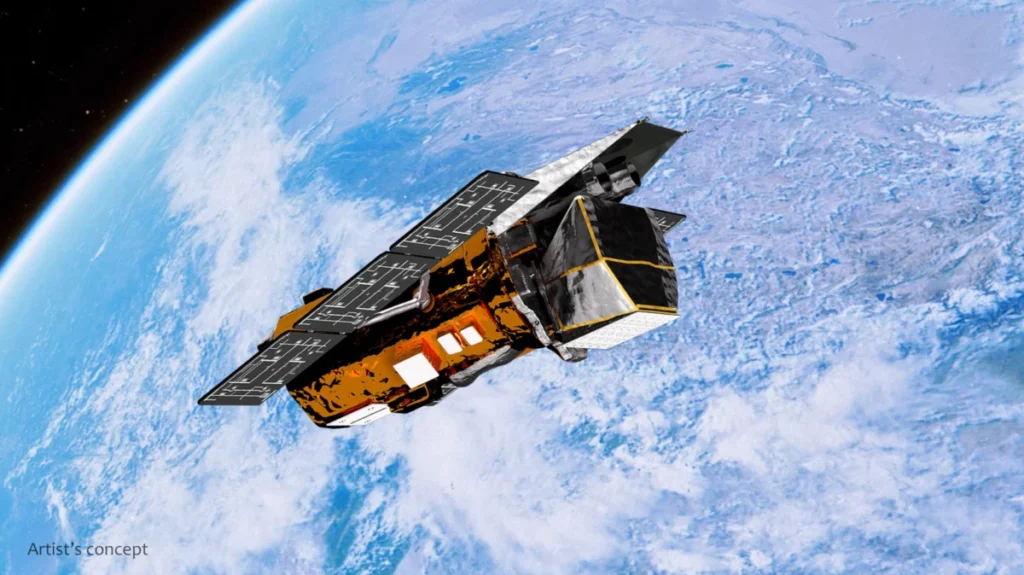
The cascading sequence of events leading to this week’s re-entry began earlier this year when operators noticed that the observatory’s orbit was decaying at an alarming rate, threatening to pull the spacecraft down much sooner than originally planned. In response to this existential threat, NASA launched the ambitious Swift Boost mission in early July, aiming to salvage the telescope so it could continue to expand humanity’s understanding of the universe for several more years. The rescue plan relied on partnering with Katalyst Space and utilizing their specialized LINK robotic spacecraft. The core objective of the mission was for the LINK probe to successfully dock with the aging Swift observatory and physically tug it upward into a higher, stable orbit, thereby neutralizing the rapid orbital decay.
Unfortunately, deep space operations remain fraught with severe technical challenges, and the rescue attempt quickly encountered insurmountable obstacles. Shortly after deployment, the LINK robotic spacecraft ran into critical attitude control issues that severely compromised its ability to manage its orientation and stabilization in the vacuum of space. Deprived of stable altitude control, the rescue probe began spinning helplessly, which instantly triggered cascading communication failures between the spacecraft and mission controllers on the ground. Despite frantic efforts by engineering teams to diagnose and override the system anomalies, the situation proved unrecoverable. Just a couple of weeks after the LINK probe first experienced its operational difficulties, NASA made the difficult decision to formally pull the plug on the Swift Boost mission, sealing the fate of the orbiting telescope.
With the rescue mission officially canceled and orbital decay continuing its relentless pace, NASA officially ended the operational life of the Swift observatory in late October. The final phase of the mission began when the spacecraft automatically entered safe mode, prompting ground controllers to prepare the veteran telescope for its inevitable atmospheric re-entry. Despite its untimely end, the observatory departs with an awe-inspiring legacy of scientific achievement that fundamentally transformed modern astrophysics. Before the Neil Gehrels Swift Observatory was deployed into space, scientists were largely blind to the most fleeting and violent phenomena occurring across the cosmos, often missing critical data windows entirely.
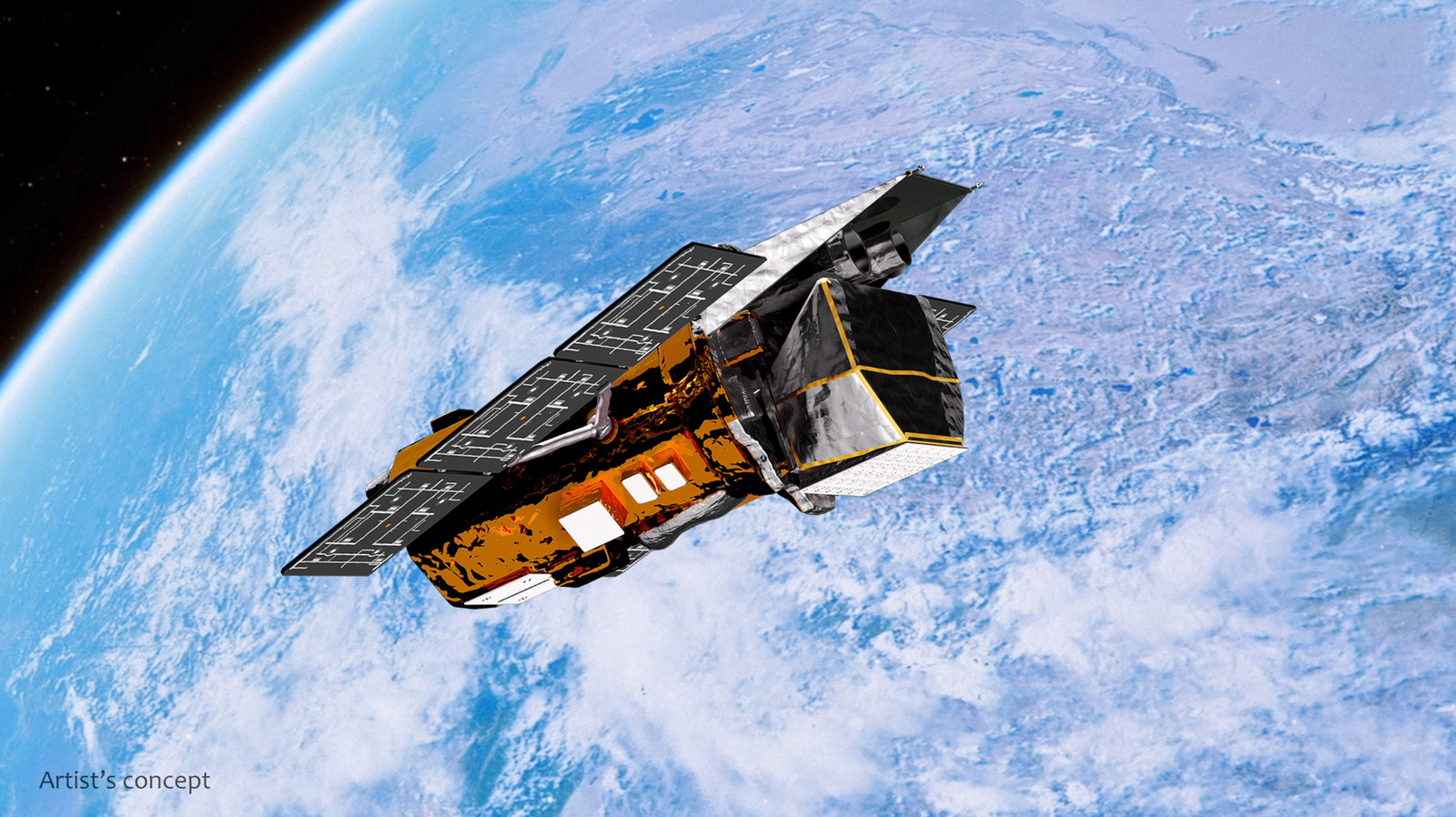
Throughout its storied 22-year tenure, the spacecraft revolutionized time-domain astronomy by observing more than 2,000 gamma-ray bursts, which are widely recognized as the most powerful explosions in the universe. These titanic bursts of energy typically reach their absolute peak brightness in less than two seconds, making them exceptionally difficult to capture with traditional instrumentation. Swift’s specialized design and rapid-sleuthing capabilities allowed it to autonomously turn toward these sudden flashes of high-energy radiation, capturing vital data that was previously impossible to record in real time. Beyond its unprecedented work with gamma-ray bursts, the observatory systematically gathered groundbreaking data on approximately 1,400 supernova explosions, charting the violent deaths of massive stars with exquisite precision.
The telescope’s sweeping gaze also extended across a wide variety of other cosmic targets, including tracking passing asteroids and comets within our own solar system, observing stellar nurseries, and capturing the dramatic moments when unwary stars wandered too close to supermassive black holes and were violently shredded by intense gravitational tidal forces. This massive influx of observational data has filled critical gaps in scientific literature, providing researchers worldwide with a wealth of information regarding the dynamic and often violent nature of the universe.
As the spacecraft hurtles toward its final moments in the upper atmosphere, space agencies have sought to reassure the public regarding any potential ground hazards. According to NASA’s technical assessments, the vast majority of the 3,200-pound Swift observatory will disintegrate and burn up entirely due to the intense frictional heat generated during atmospheric compression. However, engineers acknowledge that some durable components and heat-resistant structural fragments could potentially survive the fiery descent and make their way down to the Earth’s surface.
Nevertheless, space officials have emphasized that there is a remarkably low statistical risk of any surviving debris causing harm to human life or property, given that the vast majority of our planet’s surface is covered by oceans and unpopulated wilderness. In the lead-up to the anticipated impact window, NASA and the United States Armed Forces are maintaining continuous surveillance of the falling telescope, closely monitoring its trajectory and publishing real-time updates as tracking data is refined and the margin of uncertainty narrows.
Related News