JetBlue Raises Checked Bag Fees Again to at Least $50 Each Way, Fueling Fears of Industry-Wide Hikes
Article Editorial Team
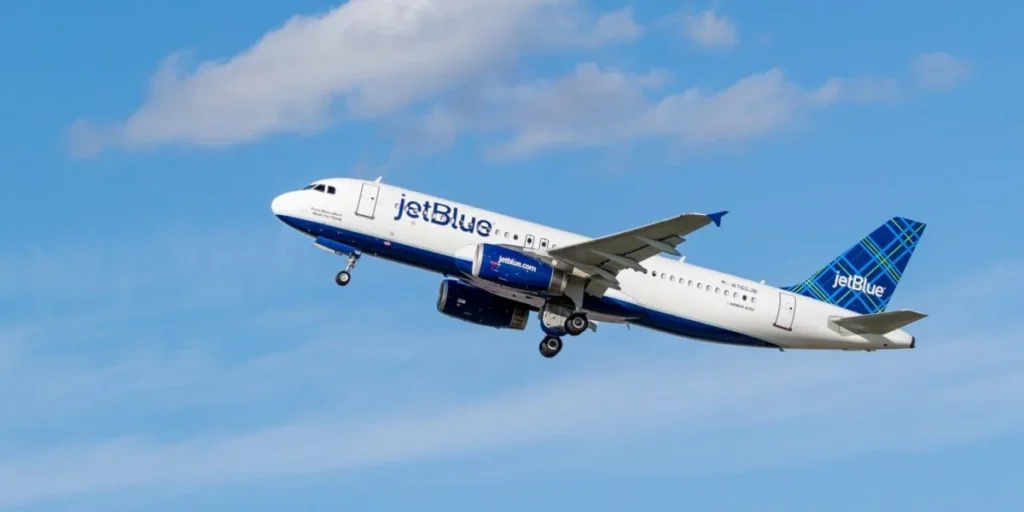
For the second time this year, JetBlue has raised its checked bag fees, pushing the starting cost to at least $50 each way for travelers flying within the United States, Latin America, the Caribbean, and Canada. The move by the carrier could once again trigger a chain reaction of baggage fee increases across the broader U.S. airline industry, coming at a time when carriers are grappling with soaring operational expenditures and fuel costs.
JetBlue previously made headlines last spring by becoming the first major U.S. airline to raise bag fees following the outbreak of the war in Iran and the subsequent surge in fuel prices, which pushed the cost of a checked bag up to at least $39 each way in late March. The airline quietly updated its baggage fee structure once again on Tuesday. For all tickets booked on or after November 3, JetBlue now charges at least $50 each way for a passenger’s first checked bag on domestic and regional routes.
The financial impact extends beyond a traveler’s first bag. The fee for a second checked bag has also increased, climbing from $59 to $70 each way for off-peak travel. Furthermore, prices have gone up for passengers checking a bag on transatlantic flights to Europe while holding the cheapest basic economy fares, with fees rising from $60 to $80 each way.
Certain travelers are exempt from these updated charges. JetBlue Mint and BlueFirst passengers will continue to receive at least one checked bag free of charge. Similar waivers apply to travelers who have earned the airline’s Mosaic status or those who hold a co-branded credit card, such as the JetBlue Premier World Elite Mastercard. Additionally, any passengers who booked their JetBlue flights prior to November 3 will remain subject to the older, lower rates.
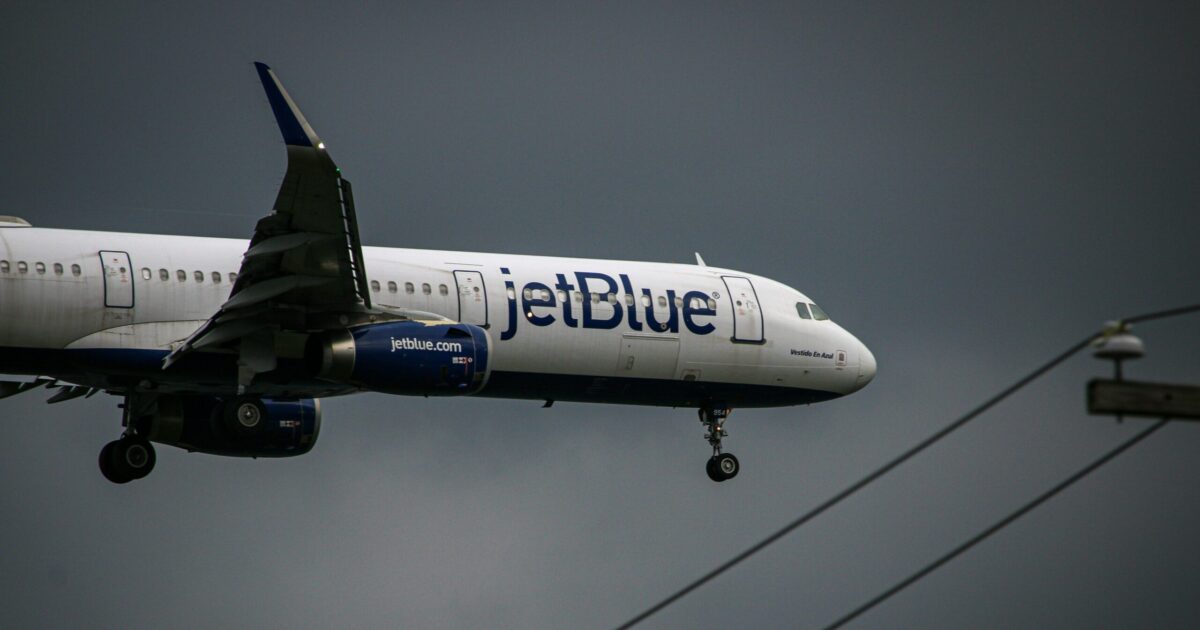
However, the financial penalty for checking luggage can escalate quickly depending on when and how a passenger flies. The baseline $50 each way fee applies strictly to off-peak travel dates when passengers add their bags online more than 24 hours before departure. For those flying on peak travel dates—which encompass major holidays and virtually the entire summer season from late May to early September—the cost rises to at least $55 in each direction. On the current calendar, March stands out as the only month in 2027 completely free of designated peak travel dates.
These higher fees apply across standard Main and Main Flex fares for flights within the United States, Canada, and Latin America, affecting far more than just budget-conscious basic economy travelers. Passengers checking a third bag face an even steeper penalty, with a flat fee of $200 regardless of the season or travel dates.
When doing the math on a peak-season round-trip itinerary, such as the upcoming Thanksgiving and Christmas holiday travel rushes, the costs add up rapidly. A passenger paying for a single checked bag at the airport during peak season will spend $140 round trip just for luggage. Meanwhile, a couple traveling together and checking two bags each could easily find themselves paying more than $600 in bag fees alone before even factoring in the cost of their airfare.
JetBlue officially confirmed the latest round of fee increases on Tuesday afternoon, pointing to the economic pressures currently facing the airline. A company spokesperson explained that the carrier is adjusting checked bag fees to help offset rising fuel and operating costs, adding that the adjustment helps keep base fares competitive while giving customers the choice to pay for a checked bag only if they actually need one.
Despite these justifications, industry watchers warn that the financial pain could easily spread to competing carriers. Following JetBlue’s initial bag fee hike last spring, nearly every major U.S. airline matched the higher rates within a matter of weeks, demonstrating a long-standing pattern of follower pricing within the commercial aviation sector.

While JetBlue explicitly tied its spring bag fee increase to soaring jet fuel prices resulting from the conflict in Iran, current market conditions reveal an additional underlying pressure: JetBlue is navigating a difficult financial period. The airline reported a net loss of $257 million during the third quarter, prompting mounting speculation within the financial community regarding a possible bankruptcy. Although the airline’s chief executive explicitly denied those rumors in late October, the financial strain remains palpable.
Under these circumstances, raising baggage fees serves as an attractive financial lever for the carrier. Increasing bag fees allows JetBlue to generate vital auxiliary revenue without elevating its headline ticket prices on online booking engines. Because JetBlue lacks the premium market positioning enjoyed by legacy carriers like Delta Air Lines and United Airlines, it cannot easily push base fares higher without risking a loss of price-sensitive customers. Higher bag fees remain largely invisible to consumers comparing ticket prices on platforms like Google Flights.
Another underlying objective behind the fee structure may be the continued push to acquire loyal credit cardholders. The JetBlue Plus Card waives the fee for a first checked bag, and with checked bag fees now ranging from $50 to $80 each way, the card’s annual fee can easily pay for itself over the course of a single round-trip journey. Every new cardholder represents a steady stream of guaranteed revenue generated through the airline’s partnership with Barclays.
Ultimately, JetBlue’s decision to charge at least $50 each way to check a bag—with airport rates climbing as high as $75 during peak periods—marks another significant financial hurdle for air travelers. Given the tendency of rival airlines to mimic such adjustments, passengers should prepare themselves for the likelihood of higher baggage fees spreading across the entire industry in the near future.
Related News