Navigating Soaring Airfares: Essential Strategies for Travelers as Fuel Costs Surge
Article Editorial Team
The current landscape of commercial aviation is presenting a significant financial hurdle for travelers worldwide, as airfares continue to climb to punishing heights. Major U.S. carriers, along with most international operators, have acknowledged implementing broad fare increases following a dramatic spike in jet fuel prices. Industry data indicates that the cost of jet fuel has nearly doubled since the onset of the military conflicts involving the U.S., Israel, and Iran, exerting intense pressure on airline operating margins that companies are rapidly passing on to consumers.
Compounding the issue is the relentless upward trajectory of crude oil prices. Despite intermittent market fluctuations, the cost of crude oil remains up by more than 90% compared to the previous year. Rather than absorbing these escalating expenses out of corporate goodwill, airlines are relying on consumer demand to fund the uptick. However, industry experts emphasize that travelers do not necessarily need to abandon their vacation plans or pay exorbitant rates; instead, the key lies in adapting the booking and post-booking processes to navigate the volatile market.

Booking Sooner is (Probably) Better
Flight pricing has always been characterized by its inherent unpredictability, with fares fluctuating dynamically based on demand, route, and timing. In the current economic climate, however, relying on traditional patterns—such as anticipating steep winter flight discounts—is proving to be a risky strategy. Industry analysts suggest that waiting for prices to drop is increasingly unlikely to yield savings under current market conditions.
Travelers who have pending itineraries and encounter acceptable, stomachable fare prices are being advised to lock in their reservations as soon as possible. Delaying the booking process under the assumption that prices will normalize carries a high probability of resulting in even steeper costs.
In this environment, adhering strictly to the "Flight First Rule" has become critical. This approach involves researching and securing airline tickets before finalizing vacation requests, accommodation bookings, or car rentals. Reversing the conventional travel planning sequence grants consumers the flexibility to shift their departure or return dates by a day or two, potentially saving significant amounts of money. Committing to a rigid vacation schedule before securing transportation leaves travelers completely at the mercy of airline pricing structures, a mistake that can prove exceptionally costly.
Furthermore, industry veterans strongly advise against purchasing basic economy fares. While these entry-level tickets may shave a modest amount—such as $60 or more—off the initial purchase price, the restrictions associated with them can lead to substantial financial and logistical penalties down the line.
Use FareTracker to Catch Price Drops
Securing an initial booking is only the first step in a broader strategy to mitigate high travel expenses. Experienced travel professionals emphasize the value of continuous monitoring and re-booking. Because airfare pricing and award seat availability fluctuate constantly—sometimes right up until the day of departure—significant savings can often be captured well after the initial purchase has been made.
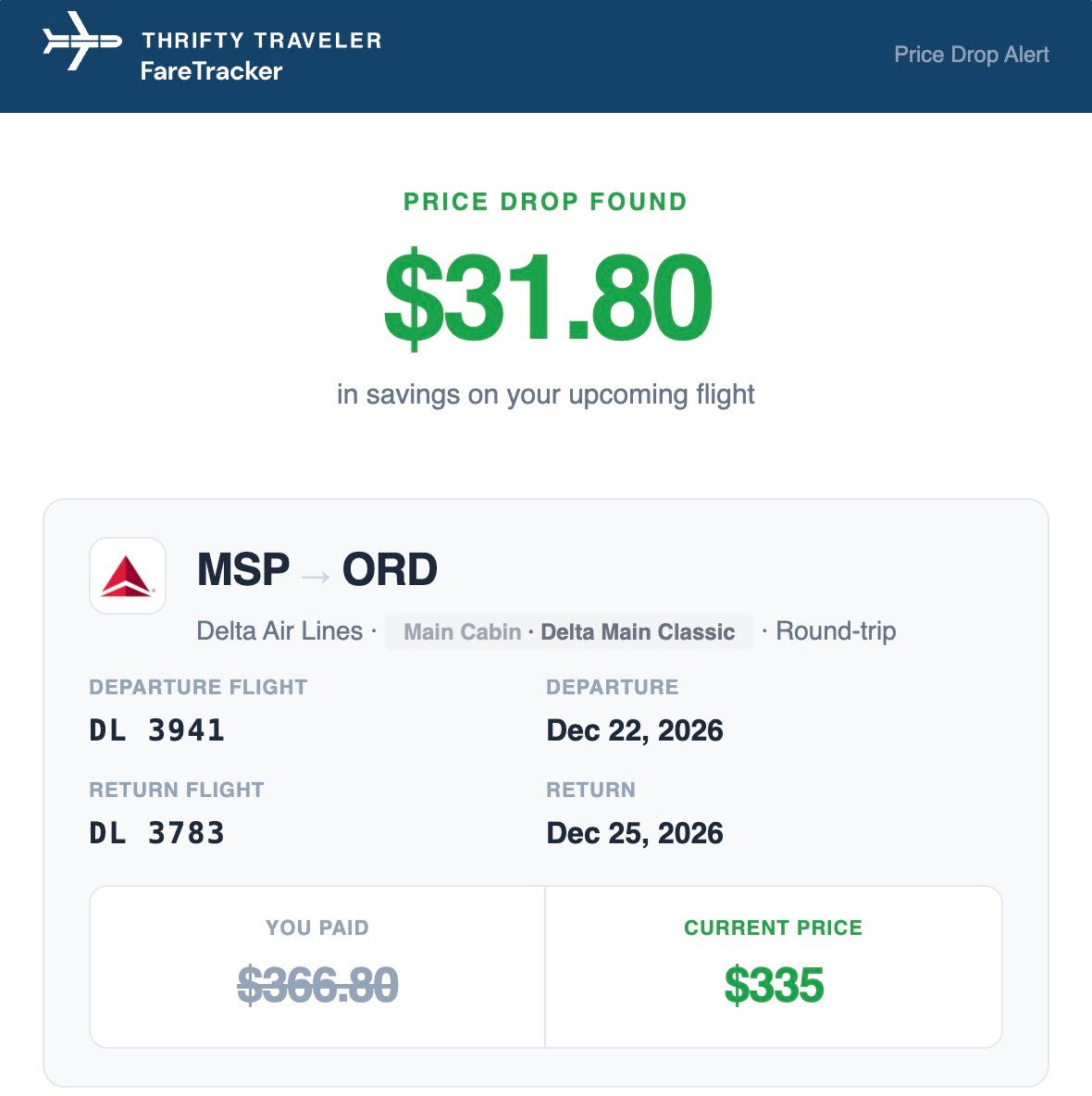
Tools designed to track pricing changes automatically have emerged as valuable assets for consumers aiming to optimize their spending. After booking a ticket in the Main Cabin or higher, passengers can utilize free tracking platforms to input their flight details and purchase prices. These systems continuously monitor fare fluctuations and issue alerts whenever the price drops below the initial threshold.
For example, a traveler eyeing holiday flights home to Chicago ahead of Christmas might secure a roundtrip ticket during a temporary dip. Even if that initial fare appears competitive for a peak holiday period, subsequent price adjustments tracked by automated systems can reveal further reductions. While even a modest refund issued as an e-credit may seem minor in the grand context of modern travel, accumulating these credits helps offset the sting of high airfares, ensuring that every available dollar is maximized for future trips.
Your Miles Go Further than Ever
With cash fares remaining stubbornly high, frequent flyers are increasingly turning to accumulated airline miles and credit card reward points to offset travel expenses. Leveraging loyalty programs has become one of the most effective ways to bypass inflated ticket prices entirely.
Major U.S. carriers—including American Airlines, Delta Air Lines, United Airlines, and Alaska/Hawaiian Airlines—offer flexible cancellation policies on award tickets, allowing travelers to recover both their spent miles and associated taxes and fees without penalty. Because several domestic airlines tie their award pricing directly to prevailing cash rates, travelers can monitor fare trends and re-book award itineraries if market prices decline, thereby reclaiming thousands of miles.
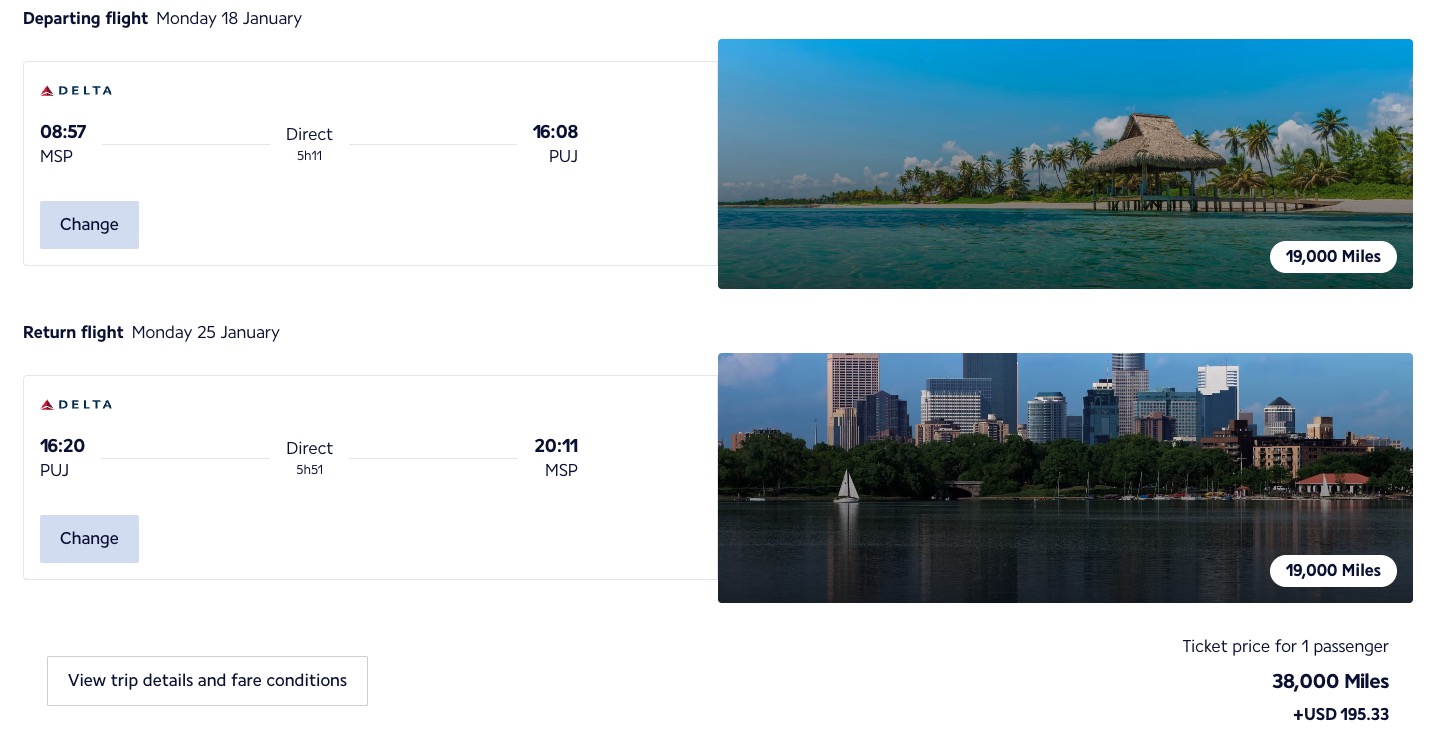
At the same time, booking through international partner carriers that maintain fixed award charts can yield exceptional value. Programs such as Air France/KLM FlyingBlue, Air Canada Aeroplan, and British Airways allow travelers to redeem transferable points earned through major credit card issuers like Chase, American Express, and Capital One.
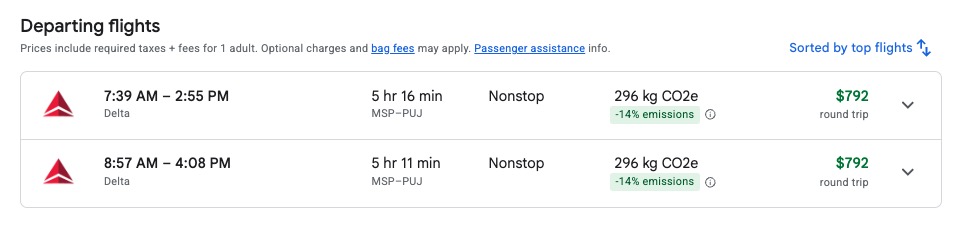
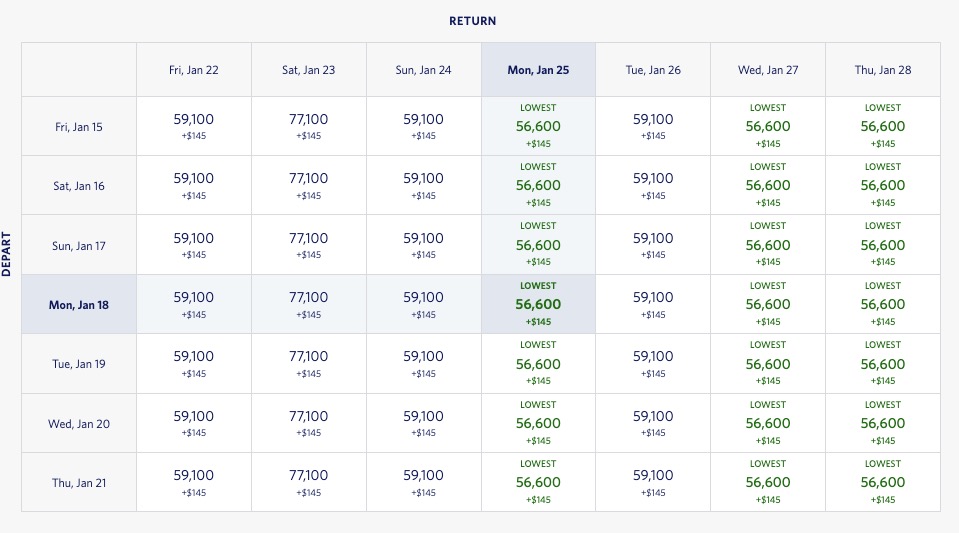
For instance, a winter itinerary from Minneapolis to Punta Cana might command cash prices approaching $800 for basic economy seating. When converting the same dates into airline currency, domestic programs might price the route at competitive mileage rates, while international partners utilizing fixed charts can offer Main Cabin seats—complete with advance seat selection—for significantly fewer miles. Although some international programs assess modest cancellation fees to redeposit miles, the overall savings frequently outweigh the administrative cost.
Let the Deals Come to You
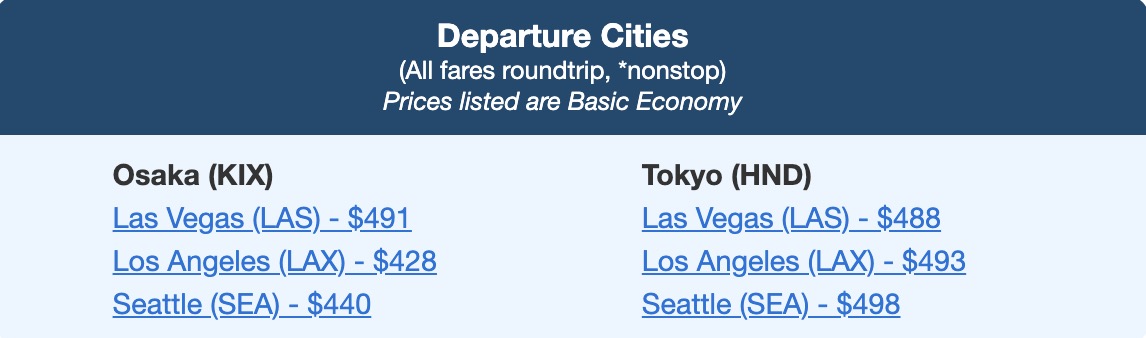
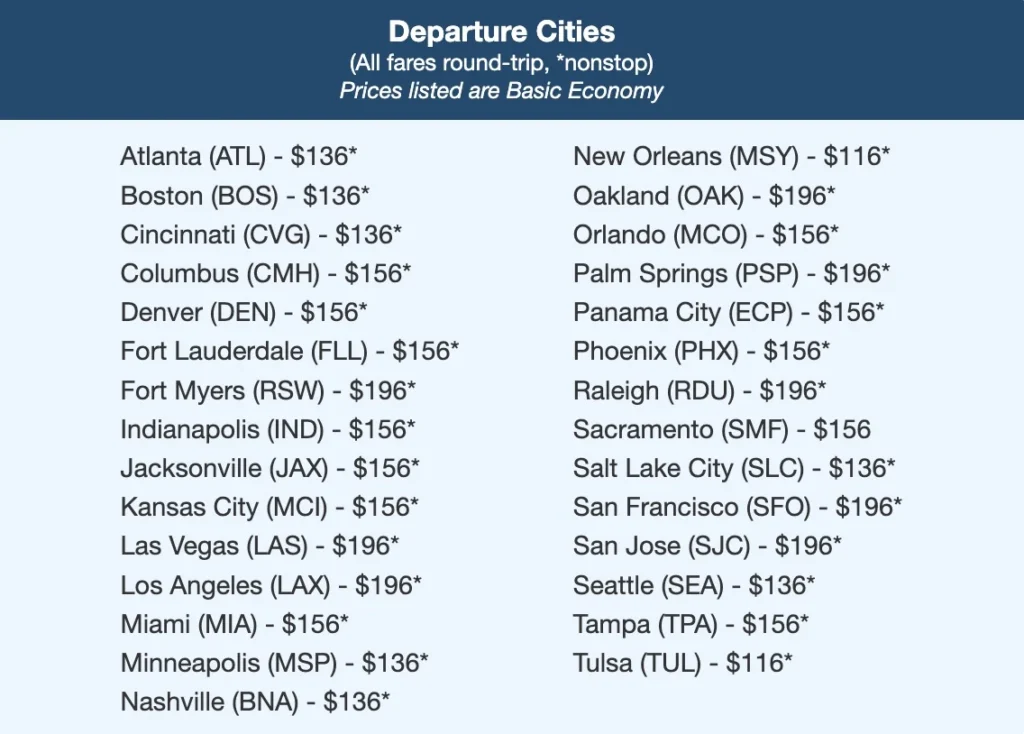
Despite the challenging pricing environment, promotional fares and deep discounts continue to surface across the global aviation network. Maintaining flexibility and monitoring broader market trends remain fundamental strategies for cost-conscious travelers.
Utilizing comprehensive mapping tools allows prospective travelers to scan multiple destinations from their home airports simultaneously, identifying unexpected value even during high-season periods. Subscription-based deal services also continue to alert members to sudden, fleeting price drops, such as unexpected fare sales on transpacific routes or wide-open availability for premium cabin redemptions across international networks.
While promotional windows for these deeply discounted fares are often remarkably brief, vigilant travelers who adapt their booking habits and leverage technological aids continue to find viable ways to explore the world without succumbing to inflated peak pricing.
Related News