Google Home Speakers Embrace Gemini-Driven Refresh With Advanced Voice Match and Personal Results
Article Editorial Team
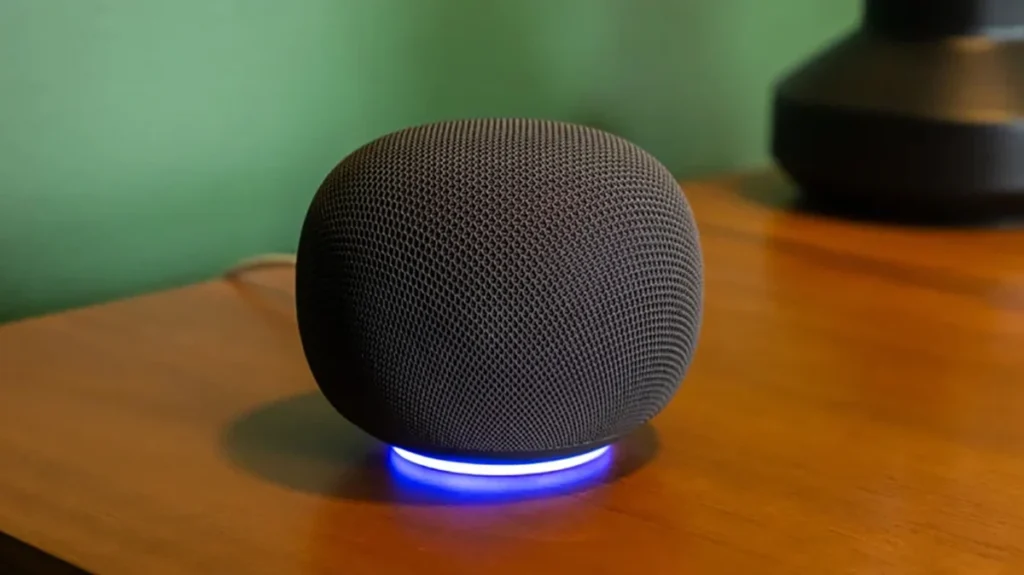
Google Home speakers and other compatible smart home devices are undergoing a significant technological evolution following a major update announced by Google. The platform refresh, powered by the company’s advanced Gemini AI architecture, is designed to fundamentally alter how users interact with their home audio equipment, transitioning the smart speaker experience into a far more conversational, contextual, and intuitive ecosystem. Among the core components of this broader technological rollout are substantial improvements to Voice Match functionality and personal results integration, which allow devices to recognize individual household members and tailor their responses accordingly.
The integration of Gemini into the Google Home environment moves the assistant away from rigid, keyword-dependent commands and toward a more natural phrasing model. When a user approaches a compatible smart speaker and asks a broad or context-driven question such as "What’s on my calendar?", the system no longer relies on generic guesses or primary account defaults. Instead, through enhanced audio recognition and profile matching, the device instantly identifies the speaker and curates the response to reflect that specific individual’s schedule, appointments, and personal data.
Enabling this customized functionality requires a straightforward configuration process through the Google Home application connected to the user’s smart speaker device. By navigating through the application settings, users can establish and train Voice Match by selecting their profile photo, accessing home settings, and proceeding through the designated assistant configuration pathways. Once the voice profile is established and personal results are activated for selected devices, the smart assistant unlocks the ability to interface securely with personal calendars, appointments, reminders, Google Keep notes, lists, photos, and other pertinent personal details stored across the user’s connected Google account ecosystem. Furthermore, this capability extends to shared household environments, permitting multiple occupants to sync their own unique profiles to a single shared speaker hardware unit.
The introduction of these personal results features addresses a long-standing limitation of shared smart home hardware. In traditional multi-user households, a single smart speaker often acted as a monolithic interface tied primarily to the administrative account holder, meaning queries regarding schedules or private lists would default to the main user or fail entirely. With Voice Match actively distinguishing between different household members, the smart speaker listens for distinct vocal characteristics and restricts private data responses exclusively to the verified owner of that voice.
Guests and family members who have not established their own individual voice profiles can still interact with the device for general inquiries, such as checking the weather, asking general knowledge questions, or setting basic household alarms. However, they receive generalized responses rather than private, account-specific information. Meanwhile, the verified profile owner gains frictionless access to their personal daily agenda, pending to-do list items, and personalized music playback requests without interference from other household members sharing the same physical hardware space.
In instances where a smart speaker occasionally misinterprets a user’s voice or query, troubleshooting remedies generally involve environmental adjustments, such as repositioning the hardware away from excessive background noise sources or completing a fresh Voice Match training session within the application settings to refine the voice recognition algorithms.
Privacy and placement considerations also play a critical role in how households deploy these settings. If a user chooses to disable Voice Match while leaving personal results enabled on a device, the smart assistant removes the vocal verification barrier, allowing anyone speaking within range to access the primary account holder’s personal results. While this configuration presents few concerns for a smart speaker located in a private home office, a personal bedside table, or another restricted space utilized by a single individual, shared living areas require strict adherence to multi-user configuration steps to preserve data privacy among different family members.
To achieve seamless functionality across an entire household, every participating member must individually complete the Voice Match setup process. The ecosystem supports up to six distinct user profiles per device, requiring each person to link their individual Google account to the hardware and calibrate their voice patterns through the application interface. Once completed, the Google Home system leverages advanced acoustic distinction to identify who is speaking in real time and dynamically route queries to the appropriate user profile without manual switching or user intervention.
This multi-user capability transforms the shared smart speaker into a personalized digital concierge for every resident of the home. Younger household members can receive reminders regarding academic deadlines or examinations, while working parents can instantly query personal productivity notes and shopping reminders for household errands. Other family members can effortlessly check sports scores tailored to their preferred teams or queue up distinct music playlists customized to their individual tastes during routine household activities. By blending advanced conversational AI with precise voice identification, the updated Google Home ecosystem delivers a deeply individualized assistant experience tailored to the dynamic needs of modern multi-user households.
Related News