Waymo Pauses San Francisco Robotaxi Service After Flooded Streets Leave Vehicles Stranded
Article Editorial Team
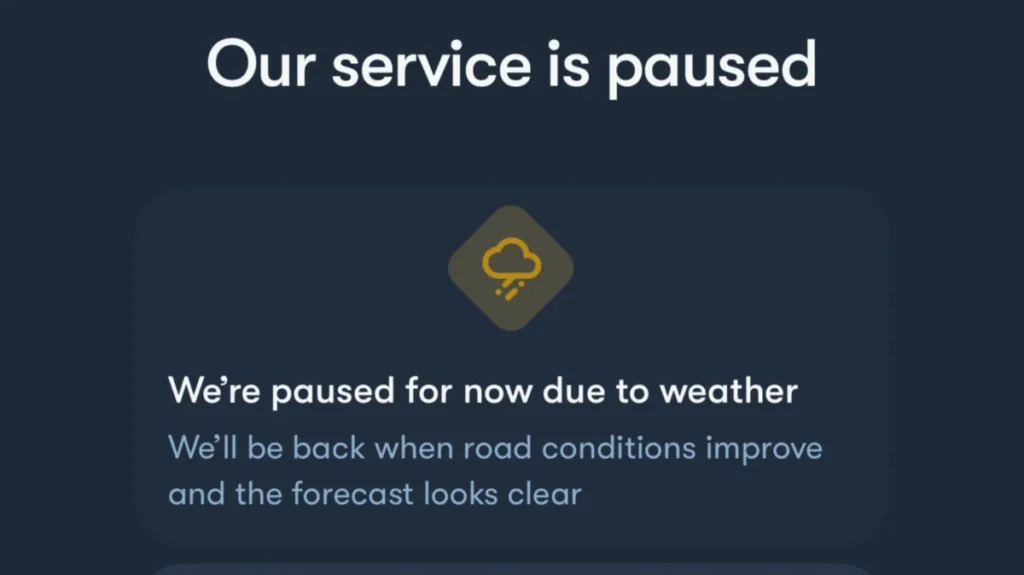
Waymo has temporarily suspended its autonomous ride-hailing service in San Francisco following severe weather that left several of its robotaxis stranded in flooded intersections and streets across the city. The operational pause was confirmed through statements shared by local officials and alerts displayed directly within the company’s mobile application, arriving as the Bay Area contends with heavy rainfall and mounting concerns over urban infrastructure during extreme weather events.
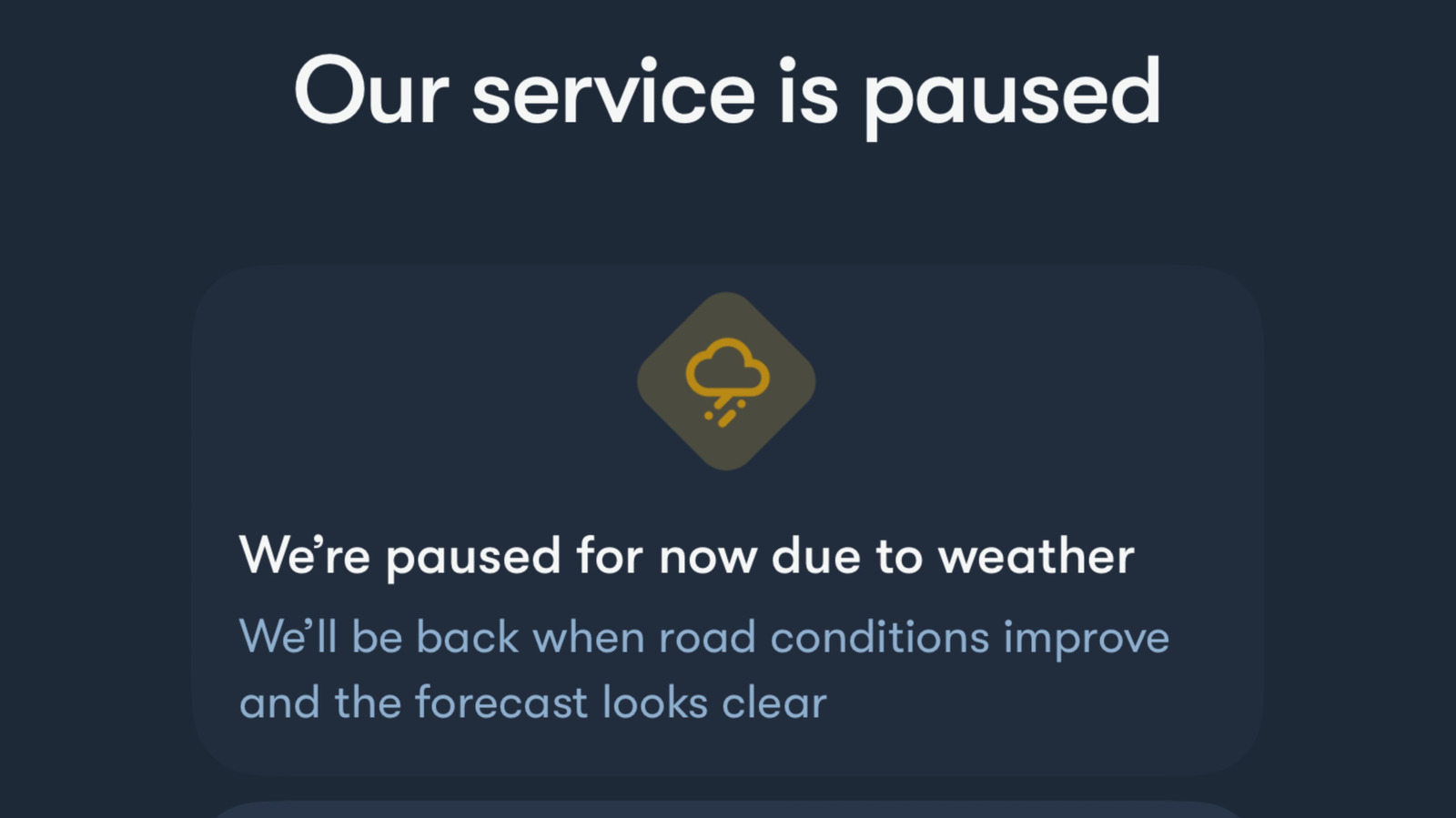
The disruption became widely apparent on social media as residents captured images and video footage of driverless vehicles immobilized by rising water. District 5 Supervisor Bilal Mahmood highlighted the situation on social media, aligning with numerous reports from local observers documenting the stalled fleet. For prospective passengers attempting to book a ride, the Waymo application now displays a prominent service notification informing users that operations have been temporarily halted due to adverse weather conditions. The notice reassures customers that autonomous service will resume as soon as local road conditions improve and meteorological forecasts indicate a clear path forward.
San Francisco is currently experiencing intense downpours and localized flooding as the region transitions into what forecasters predict could be a remarkably active and potentially record-setting El Niño winter season. Downtown San Francisco alone recorded more than two inches of rainfall in a short span before the decision to halt operations was finalized. Prior to the full suspension of service, shared digital media captured striking instances of autonomous vehicles struggling with the elements. One widely circulated video showed a Waymo robotaxi halted squarely in the middle of a flooded crosswalk, compelling human-driven vehicles to cautiously navigate around the obstruction. Another video depicted a separate vehicle idling indefinitely in a traffic lane, reportedly advising its sole passenger to remain inside the cabin while the system evaluated its environment.
When approached for comment regarding the stalled fleet and the broader challenges posed by San Francisco’s current meteorological conditions, representatives for Waymo acknowledged the operational pause but did not immediately provide a detailed technical breakdown of why the vehicles elected to stop rather than attempt to navigate the standing water.
This latest weather-related interruption is not an isolated incident for the Alphabet-owned autonomous vehicle company, which has experienced similar disruptions in the past. In December 2025, Waymo was forced to temporarily suspend operations in San Francisco when a widespread power outage plunged portions of the city into darkness, leaving self-driving cars stranded at major intersections and creating significant traffic bottlenecks. Beyond infrastructural power failures, managing water hazards has proven to be a persistent technical hurdle for the company’s sensor suites and navigation software.
Earlier in the year, Waymo initiated a recall affecting nearly 4,000 autonomous vehicles and paused its deployment following an incident in San Antonio where a robotaxi drove directly into a deeply flooded roadway. Although the company subsequently deployed a software update intended to enhance the vehicles’ ability to detect and avoid standing water, similar vulnerabilities surfaced shortly thereafter. Operations in Atlanta had to be temporarily halted after an autonomous vehicle once again entered a flooded street, demonstrating that the challenge of safely routing driverless cars through severe urban flooding extends far beyond a single metropolitan market.
The recurrence of these incidents in San Francisco indicates that engineering a definitive software solution for severe weather navigation remains considerably more complex than initially anticipated. While the current service suspension is strictly limited to San Francisco, it arrives on the heels of another significant regulatory setback for the company. Just a day prior to the weather-related pause, the California Department of Motor Vehicles restricted Waymo from operating on state freeways, determining that the autonomous vehicles presented an imminent hazard to public safety under specific high-speed conditions. That regulatory action compelled the company to immediately pull its robotaxi fleet off freeways across all of its active commercial markets, compounding an already challenging period for the autonomous vehicle pioneer as it navigates both regulatory scrutiny and unpredictable environmental obstacles.
Related News