Ancient Maya Cities Suffered Severe Toxic Pollution from Centuries of Cinnabar Use, New Study Reveals
Article Editorial Team
AUBURN, ALABAMA — Recent environmental analyses are shedding new light on the hidden ecological and public health consequences of ancient Mesoamerican traditions. According to findings published in the scholarly journal Science Advances, researchers have identified widespread mercury contamination at additional major Maya sites, confirming that ancient populations endured levels of toxic pollution that easily surpass modern environmental standards.
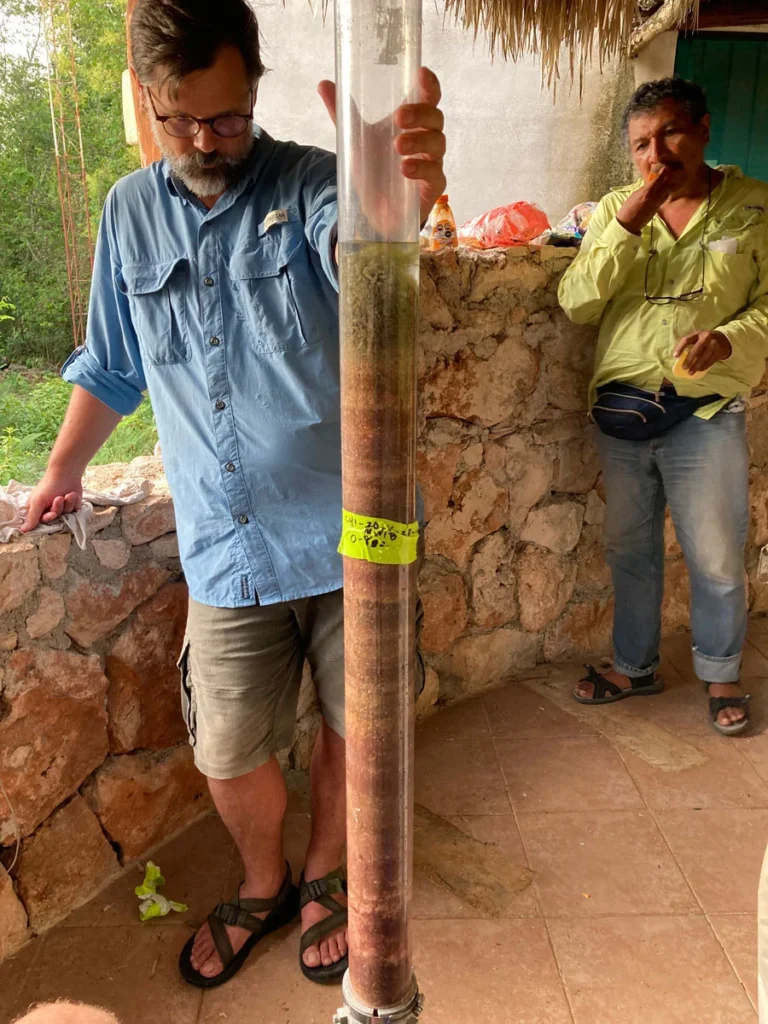
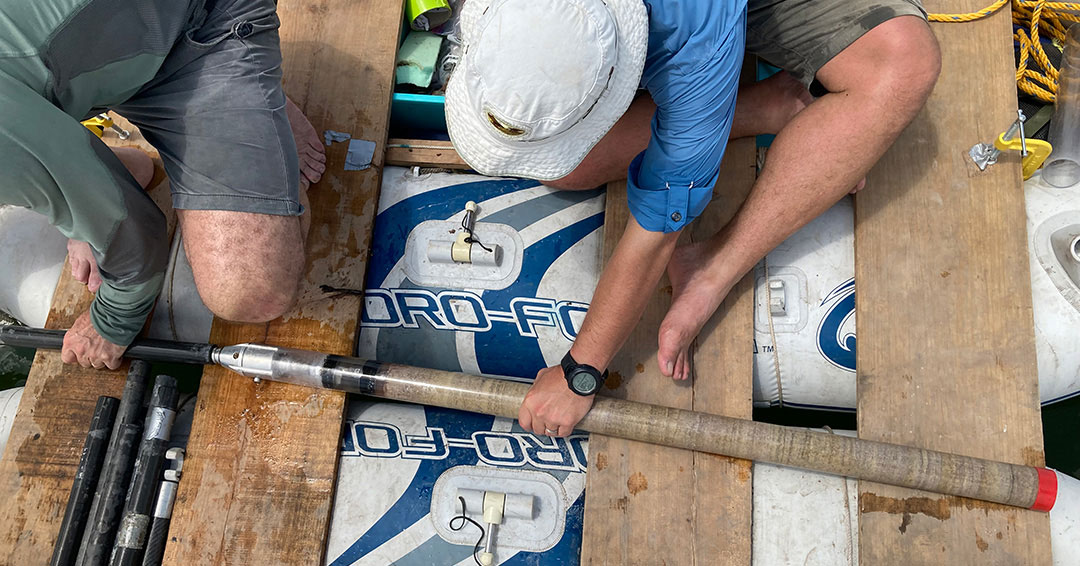
The new discoveries build upon previous research at the prominent Maya site of Tikal in Guatemala, which first established that the ancient civilization left behind persistent traces of heavy metal pollution. In the latest study, researchers Matt Waters of Auburn University and Savanna Wooten of the Jones Center at Ichauway expanded their investigations into the heart of the Maya Lowlands. By analyzing sediment core samples extracted from ancient lake beds near the archaeological sites of Coba and Xcach—both situated on Mexico’s rugged and culturally rich Yucatán Peninsula—the scientific team uncovered undeniable physical evidence of long-term environmental degradation tied directly to human activity.
The source of this contamination lies in the ancient Maya’s widespread ritual and decorative practices. For centuries, the civilization relied heavily on cinnabar, a striking red mineral pigment composed of mercuric sulfide. This vibrant red substance held profound religious and cosmological significance for the Maya, symbolizing life, blood, and rebirth. Consequently, it was used extensively in sacred ceremonies, elaborate funerary rites for elite members of society, and as a brilliant paint to adorn murals, pottery, and the stone facades of grand temples and pyramids.
However, the continuous processing, handling, and weathering of cinnabar over hundreds of years introduced massive quantities of toxic mercury into the surrounding ecosystem, eventually washing into local freshwater bodies.
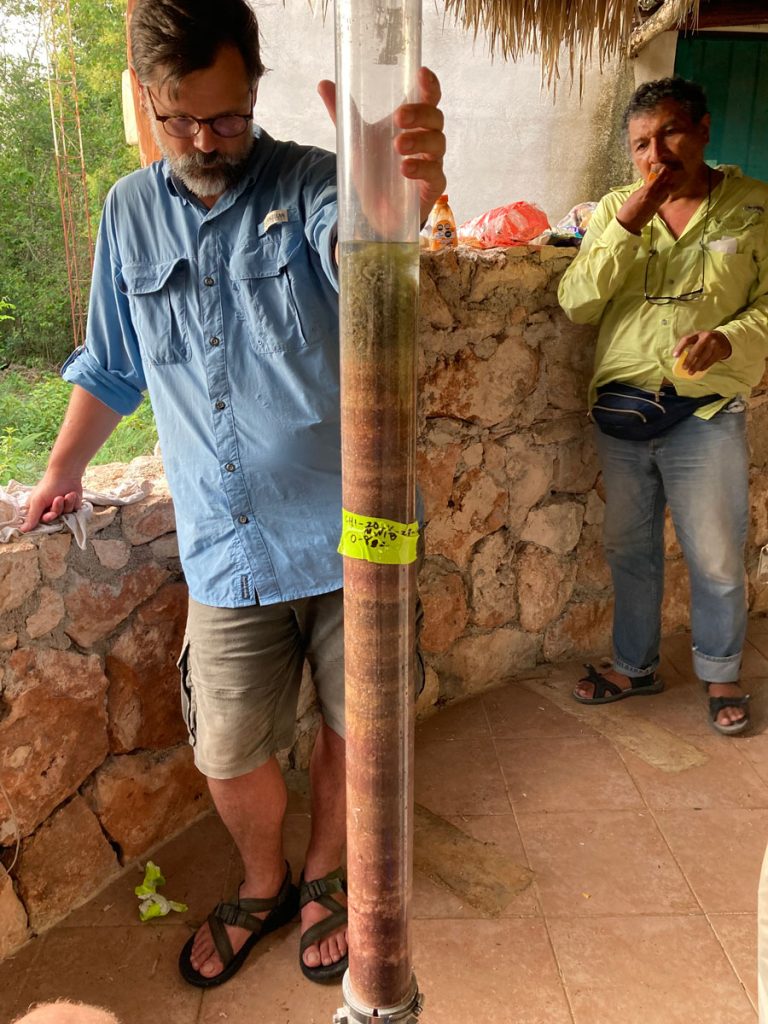
By closely examining the stratified layers of sediment trapped at the bottom of the lakes near Coba and Xcach, Waters and Wooten were able to construct a detailed chronological timeline of the pollution. The data revealed distinct, concentrated spikes in mercury levels that correlated with various phases of Maya occupation and societal evolution.
At Coba, sediment analysis indicated a sharp mercury spike beginning around A.D. 250, an elevation in toxins that persisted for approximately 150 years. The historical timeline at Xcach proved even more complex, marked by multiple distinct episodes of heavy metal accumulation. The earliest recorded spike at Xcach occurred between A.D. 125 and 200, followed swiftly by a second surge around A.D. 250. A third, highly pronounced peak was subsequently detected between A.D. 535 and 820. Notably, this final surge coincided with the turbulent conclusion of the Maya Classic period, a tumultuous era marked by widespread sociopolitical shifts, warfare, and the eventual abandonment or collapse of numerous major urban centers throughout the region.
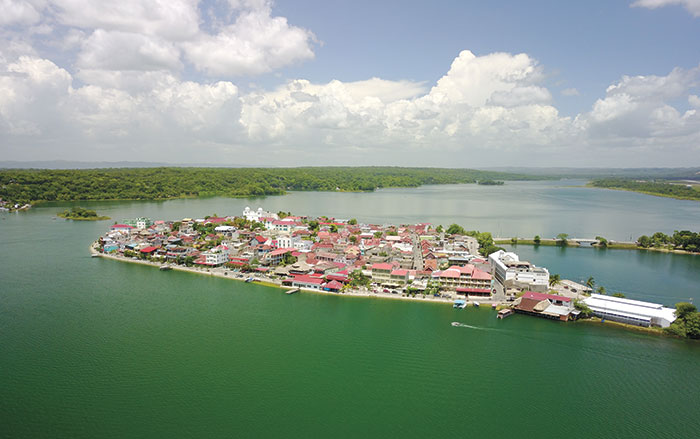
The implications of these findings extend far beyond geological history, offering a sobering look at the environmental health hazards faced by the ancient urban populations. The sheer magnitude of the metal deposits paints a grim picture of daily life in these bustling ceremonial centers.
"Our study shows that modern toxicology and pollution regulations were far exceeded at the most toxic levels for centuries around Coba and Xcach," Waters noted, highlighting the unprecedented concentration of the heavy metal preserved in the lake beds.

Beyond simply measuring the total volume of mercury in the sediment, the researchers conducted a deeper ecological analysis to determine how the contamination affected local wildlife and habitats. By measuring multiple biological markers preserved within the sediment layers—including the physical remains and chemical signatures of bacteria, algae, cyanobacteria, shelled aquatic organisms, and insect midges—the team discovered a sharp decline or complete disappearance of these vital ecological components during the periods of peak mercury contamination.
This drastic reduction in biological diversity indicates that the mercury did not simply settle harmlessly at the bottom of the lakes. Instead, it bioaccumulated, successfully making its way into multiple levels of the local food chain.
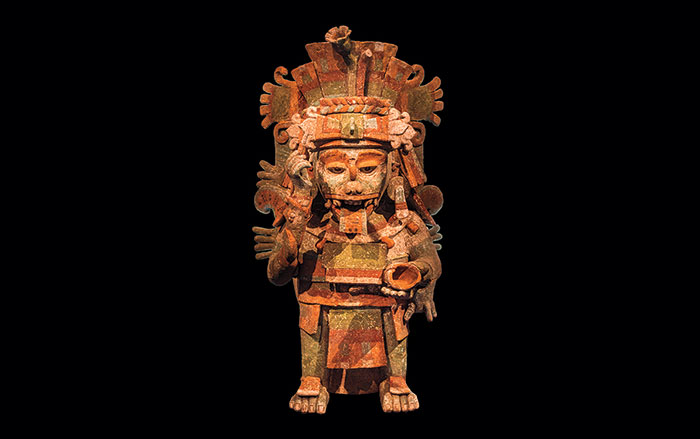
The cascading ecological collapse of these freshwater habitats suggests that the human residents of Coba, Xcach, and potentially other surrounding settlements may have experienced chronic mercury exposure. Because these lakes served as vital sources of fresh water and aquatic resources for the ancient cities, inhabitants likely ingested the toxin directly by drinking contaminated water and consuming fish and other aquatic species that had absorbed the heavy metal into their tissues. Chronic mercury poisoning is known to cause severe neurological damage, developmental issues, and physical debilitation, raising intriguing questions about whether environmental toxicity played an unacknowledged role in the health challenges and sociopolitical transformations of late Classic period Maya society.
The study provides a compelling reminder of how human ritual practices and material choices can leave a permanent, toxic legacy stamped directly into the earth. As researchers continue to analyze sediment cores and archaeological deposits across Mesoamerica, these scientific insights offer a clearer, more nuanced understanding of the complex relationship between the ancient Maya and their surrounding environment.
Related News