Dark Reality Behind Ancient Egyptian Cat Mummies Revealed Through Skull Analysis
Article Editorial Team
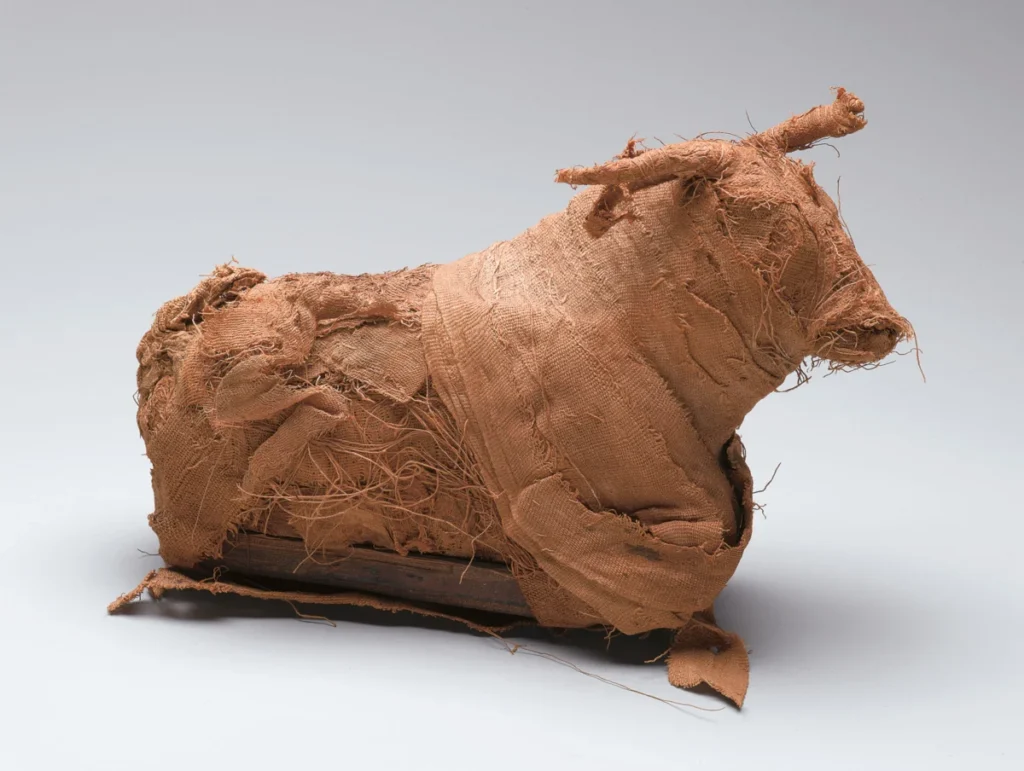
VIENNA, AUSTRIA — While ancient Egyptians revered cats as sacred manifestations of the divine, a sobering new scientific study reveals a much darker reality behind the civilization’s massive animal mummification industry. Groundbreaking research conducted by zooarchaeologist Wim Van Neer of the Royal Belgian Institute of Natural Sciences and his colleagues has shed new light on the treatment of sacred felines, utilizing a collection of 131 ancient Egyptian cat skulls housed at the Natural History Museum in Vienna.

The skulls examined in the study were extracted during the nineteenth century from the historic cemetery site of Beni Hassan, located in central Egypt. For generations, these archaeological treasures have offered insights into the complex religious landscape of the Nile Valley. However, modern scientific analytical techniques are now capable of extracting biological stories that were previously hidden beneath layers of linen, resin, and time.
When Van Neer and his research team closely inspected the 131 feline skulls, they uncovered a troubling pattern of physical ailments, chronic illnesses, and severe trauma. Far from living pampered lives worthy of divine worship, many of these animals suffered profoundly during their earthly existence. The detailed findings of this osteological study have been published in the Journal of Archaeological Science, offering a stark counter-narrative to the romanticized view of how sacred animals were treated in antiquity.
Among the most prevalent issues discovered by the research team were advanced dental and periodontal diseases. The analysis revealed that 26 of the examined cats suffered from periodontitis, a serious gum infection that damages the soft tissue and destroys the bone supporting the teeth. Additionally, 24 of the felines were missing teeth entirely. These dental pathologies suggest poor nutrition, substandard care, or diets vastly different from what a healthy domestic cat requires, pointing toward systemic neglect within the environments where these animals were raised.
Further examination of the skull bones unveiled widespread systemic health issues. Pitting was identified on 35 of the skulls, a pathological indicator often associated with inflammation, metabolic bone disease, or nutritional stress. Furthermore, 19 of the skulls displayed distinct perforations in their eye sockets. According to the researchers, these orbital lesions are consistent with severe infections, vitamin deficiencies, or chronic nutritional stress, indicating that the cats endured prolonged periods of physical suffering and systemic illness before their deaths.
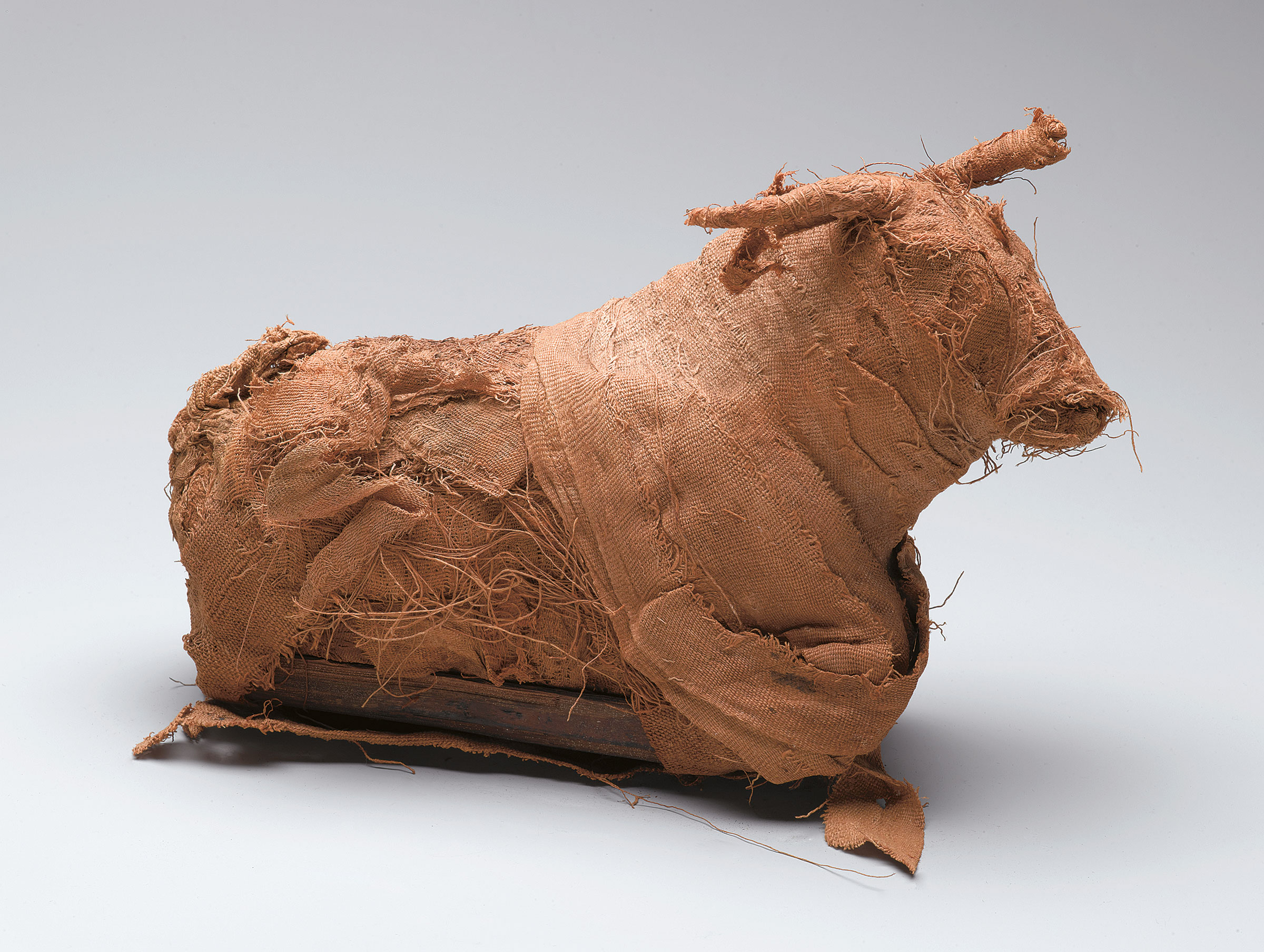
Perhaps most startling were the signs of physical violence documented across the collection. Traumatic injuries, including acute fractures and deep puncture wounds, were identified on 14 of the skulls. The research team analyzed the nature of these injuries and concluded that they stemmed from multiple sources. Some of the cranial wounds bore the unmistakable signatures of blunt force trauma or sharp, deliberate blows inflicted by metal implements. Other puncture wounds, the researchers suggest, may have been inflicted by rival cats in aggressive territorial disputes.
The study also categorized the wounds based on healing indicators. Skulls showing signs of bone remodeling and healing suggest that the animals survived previous traumatic events, which may have been the result of violent fights between confined animals or physical punishments meted out by human handlers. Conversely, the fatal wounds discovered on the remains likely marked the ultimate end of the animals’ lives, serving as the first step in the ritual mummification process practiced by ancient priests and craftsmen.

Based on this convergence of disease, malnutrition, and traumatic injury, Van Neer and his colleagues have drawn a compelling conclusion regarding the provenance of the Beni Hassan cats. The sheer concentration of chronic health problems and violent encounters strongly indicates that these animals were kept in severely overcrowded conditions. Maintaining hundreds or thousands of felines in cramped, unsanitary facilities to meet the relentless commercial demand for animal mummies would have created an environment ripe for disease transmission, stress, and aggressive inter-animal conflict.
The massive trade in animal mummies represents one of the most remarkable socio-religious phenomena of the Late and Greco-Roman periods in ancient Egypt. During times of political turbulence, social anxiety, and widespread uncertainty, common people increasingly turned to sacred animal mummies to act as intermediaries or messengers to the gods. Pilgrims and worshippers would purchase mummified ibises, hawks, dogs, cats, and crocodiles at temple complexes, dedicating them as votive offerings to deities such as Bastet, the cat goddess associated with home, fertility, protection, and warfare.
This burgeoning religious demand transformed the breeding and mummification of animals into a massive, industrialized commercial enterprise. Millions of animals were bred, raised, and ultimately sacrificed specifically to supply the bustling temple markets. While ancient texts and tomb paintings, such as the famous Middle Kingdom scenes found at Beni Hassan, often depict animals in harmonious coexistence with humans, the physical evidence preserved in the bones tells a more complicated and often tragic story of mass production and exploitation.
The research led by Van Neer contributes to a growing body of bioarchaeological studies that seek to understand the logistical and ethical realities behind ancient ritual practices. By moving beyond textual sources and artistic representations, scientists are able to reconstruct the actual biological conditions experienced by the animals that populated the ancient Egyptian sacred landscape. The findings from Vienna remind contemporary researchers and historians that the pursuit of the divine in the ancient world frequently came at a devastating cost to the vulnerable creatures caught within the machinery of religious devotion.
Related News