Which NVIDIA GPU is Closest to the PS5? The Answer Isn’t So Simple
Article Editorial Team
There is no getting around the reality that consumers are navigating an era where it has never been more financially punishing to purchase either a new video game console or cutting-edge PC hardware. Given that modern gamers are routinely forced to make a tech-savvy choice between a PlayStation 5 and the most affordable gaming PC that can be pieced together for a comparable budget, overall value has become a central consideration in hardware purchases. This dynamic raises a pressing question for many enthusiasts: Is mid-range PC gaming truly that much better than what current-generation consoles can provide?
In an era where Sony and AMD are actively teasing the advanced GPU technology they are building for the next generation of PlayStation hardware, it is entirely understandable why consumers want to compare and contrast modern console capabilities with traditional PC architectures. For those fortunate enough to own a PlayStation 5 Pro ahead of upcoming major releases like Grand Theft Auto VI, sticking with existing hardware remains a practical choice. Of course, specific exceptions exist where high-end gamers and pixel-counting enthusiasts may want to invest heavily in specialized PC components, making it worthwhile to examine when those particular scenarios actually make sense.
What GPU Offers the Same Power as the PS5?
Evaluating hardware equivalencies between consoles and PCs presents an immediate conceptual hurdle. For individuals who are satisfied with the performance of their base PlayStation 5, retaining the current system is often the most sensible path forward. Long-time custom PC builders note that assembling a brand-new, purpose-built gaming rig in the current economic landscape—marked by inflated pricing on vital components like RAM—can be a daunting financial commitment. Nevertheless, for those determined to identify which graphics card most closely aligns with the PlayStation 5’s custom graphics solution, technical benchmarks offer a directional answer, albeit with significant caveats.
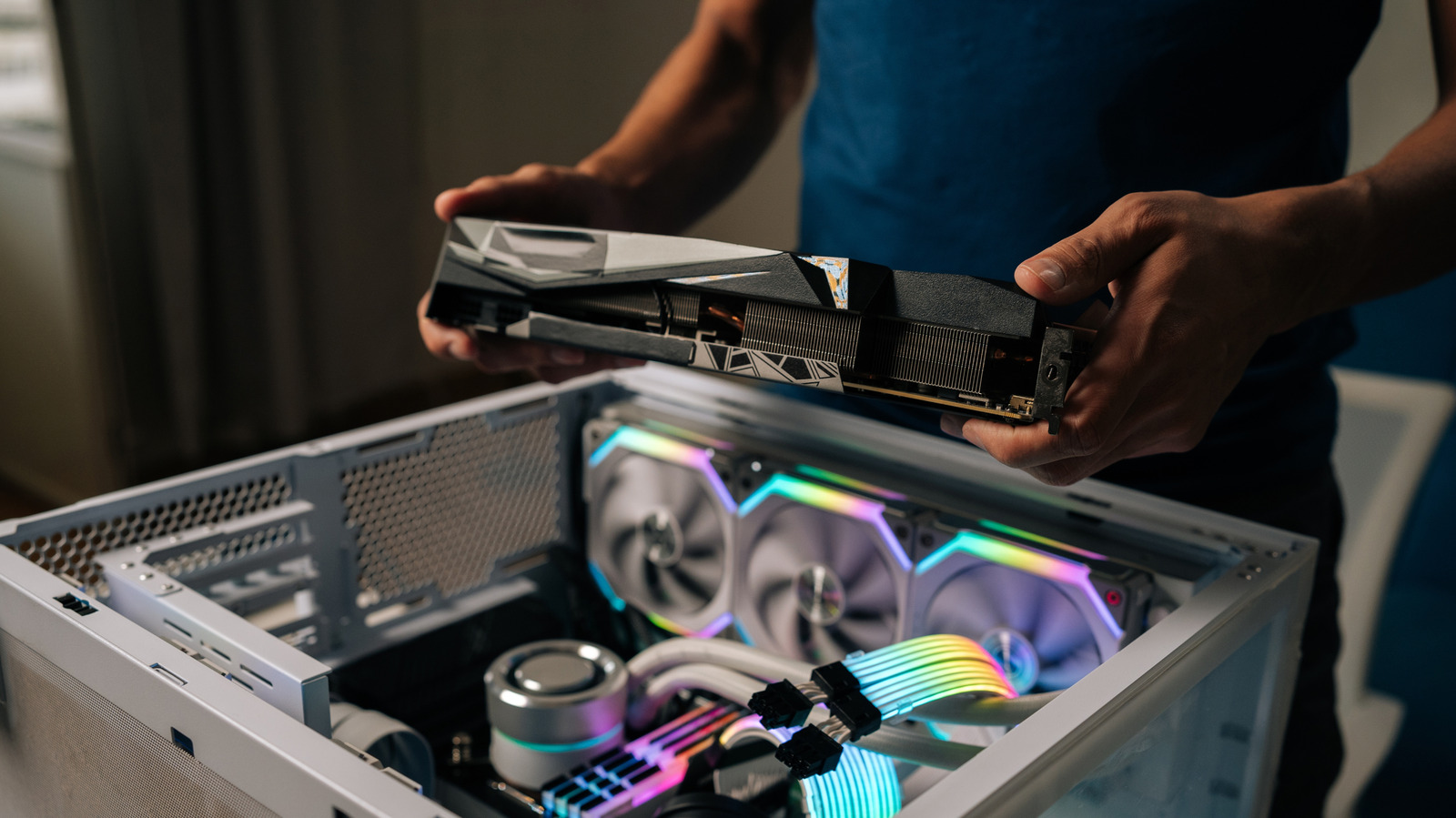
According to technical analysis from hardware evaluation outlets such as Digital Foundry, the graphics card that best matches the base PlayStation 5’s APU is NVIDIA’s GeForce RTX 2070 Super. The distinction between an "APU" and a "GPU" is critical here, as the PlayStation 5, much like the Xbox Series X, utilizes a unified central processing chipset that handles both graphical rendering and traditional processing tasks within a single integrated processor.
As a piece of hardware, the RTX 2070 Super is several generations old, meaning it is hardly a cutting-edge component by modern industry standards. Driven by broader market trends and the heavy demand for AI-related hardware, budget models of this older card can still command notable prices on the secondary and retail markets, often representing a substantial fraction of the cost of a digital-edition console.
For consumers exploring the graphics card market, industry analysts frequently point toward the second-hand market as a more pragmatic avenue, given that the retail cost of brand-new cards can be prohibitive. From a purely specification-driven standpoint, the RTX 2070 Super features 8GB of GDDR6 memory, though this does not translate into a direct, apples-to-apples comparison with the PlayStation 5’s system-wide 16GB of GDDR6 unified memory architecture. While the older NVIDIA card is capable of producing PlayStation 5-level performance metrics under the right operational conditions, equating a console’s custom APU directly to Team Green’s aging discrete GPU remains a complex and nuanced endeavor.
Is the RTX 5060 Stronger than the PS5 Pro?
Market adoption figures, such as those tracked by the Steam Hardware & Software Survey, demonstrate that mid-tier hardware continues to dominate player setups. Cards like NVIDIA’s fifth-generation GeForce RTX series represent a significant portion of the active user base on PC platforms. These lower-end Blackwell architecture GPUs support advanced features such as AI-driven upscaling technologies, while carrying specific memory configurations and clock speeds tailored for high-framerate 1080p and 1440p gaming. However, securing these components at retail often requires a substantial financial investment.
On the console side, Sony’s supercharged PlayStation 5 Pro system introduced a higher tier of performance pricing since its late-2024 launch. Navigating supply constraints—compounded by the immense anticipation surrounding blockbuster titles like Grand Theft Auto VI—has kept demand high. From a technical specification standpoint, the high-end console relies on a custom AMD Zen 2 eight-core, 16-thread processor architecture. While this configuration represents a notable leap over the base PlayStation 5 in raw graphical throughput via enhanced ray tracing and custom upscaling solutions, the corresponding boost to the central processing unit is more modest. Consequently, certain demanding titles on the Pro console may still yield performance profiles that fall short of the high refresh rates achievable on a well-optimized mid-range PC.
When looking at raw horsepower alone, mid-range to upper-mid-tier current-generation cards from both NVIDIA and AMD provide performance profiles that rival or exceed the raw graphical capabilities of the PlayStation 5 Pro. Yet, once again, the comparison is far from straightforward. With precise settings adjustments and a capable accompanying central processor, dedicated graphics cards can outpace Sony’s prosumer console. Simultaneously, the inherent simplicity and plug-and-play nature of a dedicated console system continue to hold immense appeal for mainstream consumers seeking a streamlined gaming experience for major releases.
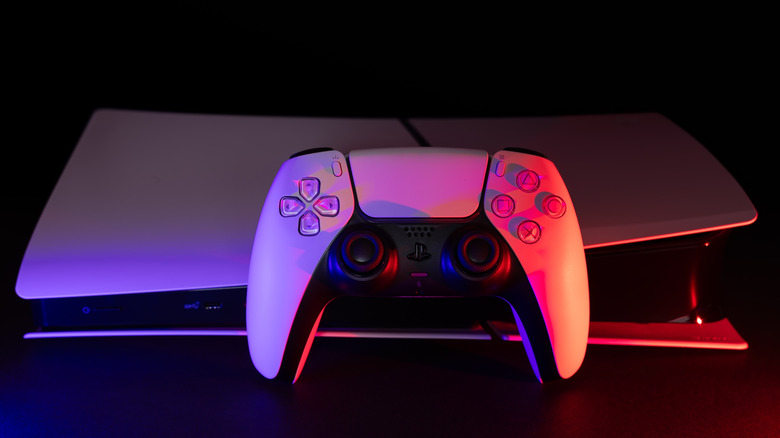
Why Comparing a Graphics Card to a Console GPU is Complicated
Numerous factors make it difficult to draw direct performance parallels between open-ended personal computer configurations and closed-source console hardware. When examining the standard PlayStation 5, developers work with a customized AMD RDNA 2 graphics architecture integrated alongside the main processor on a single silicon die. The PC component market does not feature a precisely analogous piece of standalone hardware. Through heavy optimization, engine-level customization, and advanced reconstruction techniques, game developers have consistently managed to achieve smooth frame rates and high-resolution output on console hardware that would traditionally require more robust specifications on a standard desktop system.
While a card like the RTX 2070 Super can approximate PlayStation 5 performance levels in specific titles, that evaluation is limited to the isolated capabilities of that single component. It fails to account for the wider ecosystem of a modern gaming personal computer, which requires a balanced combination of a fast central processor, ample system memory, and high-speed storage to fully realize its potential.
A poorly chosen processor can quickly create a performance bottleneck, preventing even a powerful graphics card from reaching its full potential. Building or purchasing a gaming PC demands careful financial planning, particularly during economically challenging times. For consumers prioritizing straightforward, high-resolution gaming without the complexities of driver updates, hardware troubleshooting, and component compatibility, a dedicated console remains an attractive and reliable choice. Both the standard PlayStation 5 and the enhanced PlayStation 5 Pro deliver consistent performance and smooth frame rates through their customized AMD architectures, cementing their place as viable platforms for modern gaming enthusiasts.
Related News