Behind the Certification: Why Major US Airlines Take Different Approaches to ETOPS for Their Narrowbody Fleets
Article Editorial Team
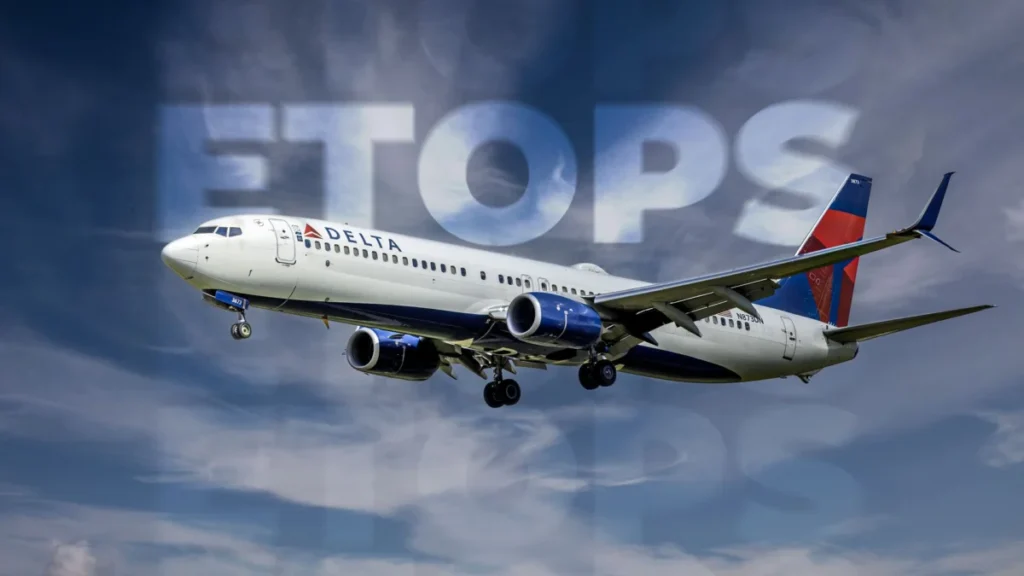
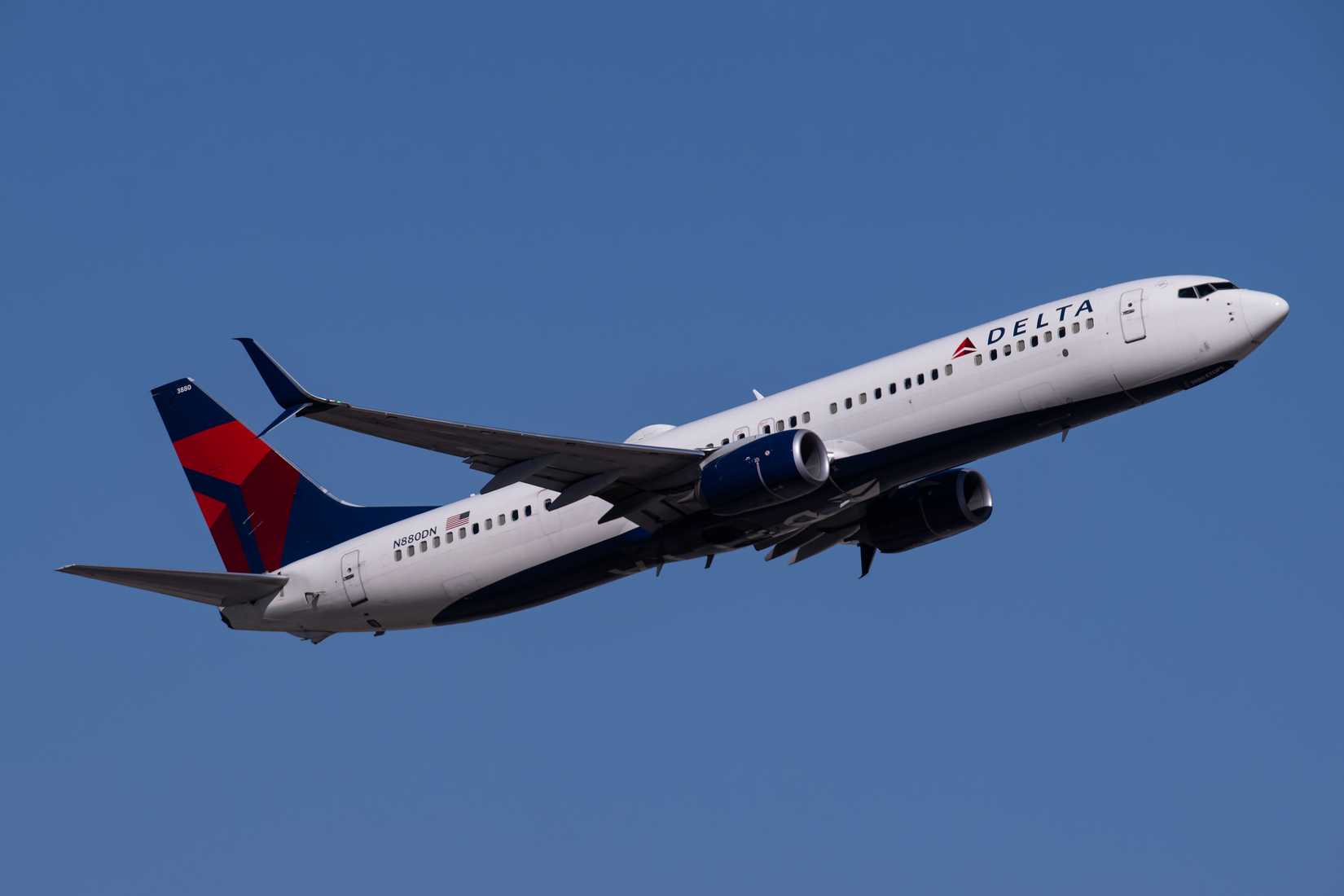
When Delta Air Lines first announced a landmark order for 100 Boeing 737-900ERs back in 2011, it marked a significant commitment to the largest variant of the popular single-aisle family. As the aircraft began entering service in 2013, supplemented by later orders in 2015 and 2017—alongside 33 post-pandemic second-hand acquisitions that brought its total fleet to 130—the high-capacity twinjet quickly evolved into a dependable workhorse for Delta’s domestic network. While the 737-900ER is not inherently celebrated for exceptional long-range performance and is deployed primarily within North America, a select portion of Delta’s fleet has long carried certification for Extended-range Twin-engine Operational Performance Standards, better known as ETOPS.
ETOPS, an acronym that jokingly translates in aviation circles to "Engines Turn Or Passengers Swim," represents a crucial regulatory framework. Officially standing for Extended-range Twin-engine Operational Performance Standards, the designation demonstrates that a twin-engine aircraft can safely operate more than 60 minutes away from a designated diversion airfield. The numerical suffix indicates the maximum time—in minutes—that the aircraft is permitted to fly away from an emergency landing site. Although Delta’s 737-900ERs do not operate true transoceanic routes, the airline has deliberately chosen to maintain ETOPS-180 certification on a small fraction of these aircraft, leaving the remainder of the subfleet without it.
The Importance Of ETOPS Certification
While modern twin-engine jets receive a baseline ETOPS type design approval from aviation regulators during their initial certification phase, this blanket approval does not automatically apply to individual airframes. Every single aircraft must be individually approved for ETOPS operations. Regulatory authorities must carefully verify that the specific airframe is outfitted with mandatory specialized equipment required for extended overwater flying, and that the airline maintains rigorous internal operating procedures that strictly comply with ETOPS practices. Depending on an airline’s operational strategy, a carrier might choose to certify just a single aircraft or clear its entire fleet for extended-range missions.
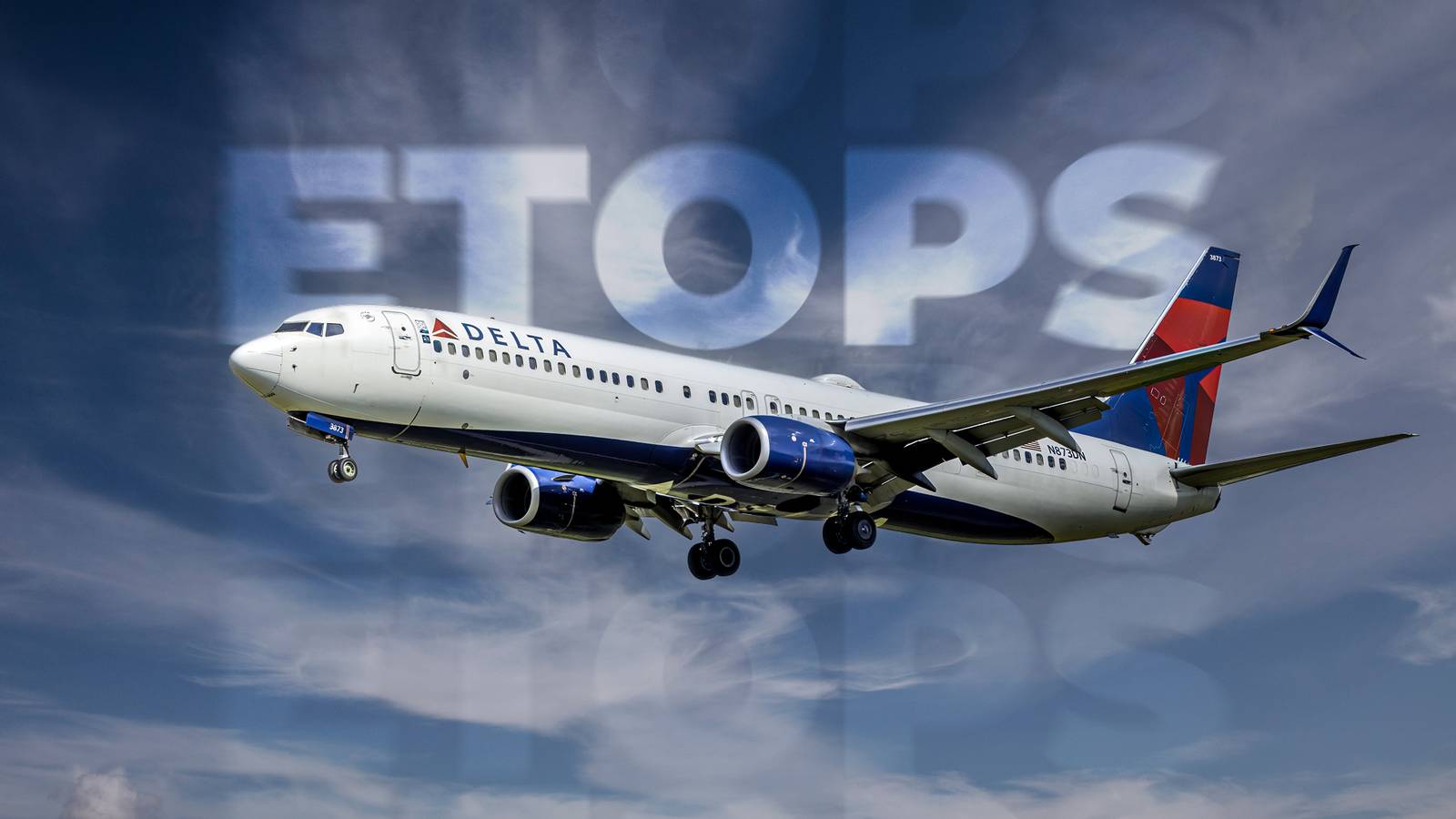
The underlying certification process is both complex and expensive, while the mandatory backup equipment adds structural weight to the airframe. Consequently, commercial airlines generally pursue ETOPS certification only when an aircraft is scheduled to fly regular overwater routes that justify the financial and operational investment. For instance, while all of Delta’s widebody aircraft maintain ETOPS certification, many of its short-haul narrowbodies do not. Given that the 737-900ER lacks the true transoceanic range of widebodies, its primary mission profile remains domestic services within the United States.
Even so, the 737-900ER is fully capable of handling longer-haul domestic journeys, transcontinental hops, and regional hops to the Caribbean. While ETOPS is not strictly mandatory for standard Caribbean flights, it often permits much more efficient routing options. Consequently, the aircraft has historically been deployed on various routes connecting the US mainland to the Caribbean region. Furthermore, as Delta continues to take delivery of newer narrowbody types, the operational role of the 737-900ER has shifted. In past years, a substantial majority of Delta’s 737-900ERs were ETOPS certified, but that operational footprint has since contracted.
Delta’s Initial Role For The 737-900ER
Today, Delta maintains only a tight subfleet of roughly 20 Boeing 737-900ERs equipped with ETOPS certification, with the vast majority of the fleet operating standard domestic schedules. Many of the aircraft that currently lack ETOPS authorization were previously outfitted with the necessary gear and maintained to ETOPS-180 standards. Over time, however, Delta removed the specialized equipment from many of these 737s, scaling back their operational capabilities as route networks evolved.
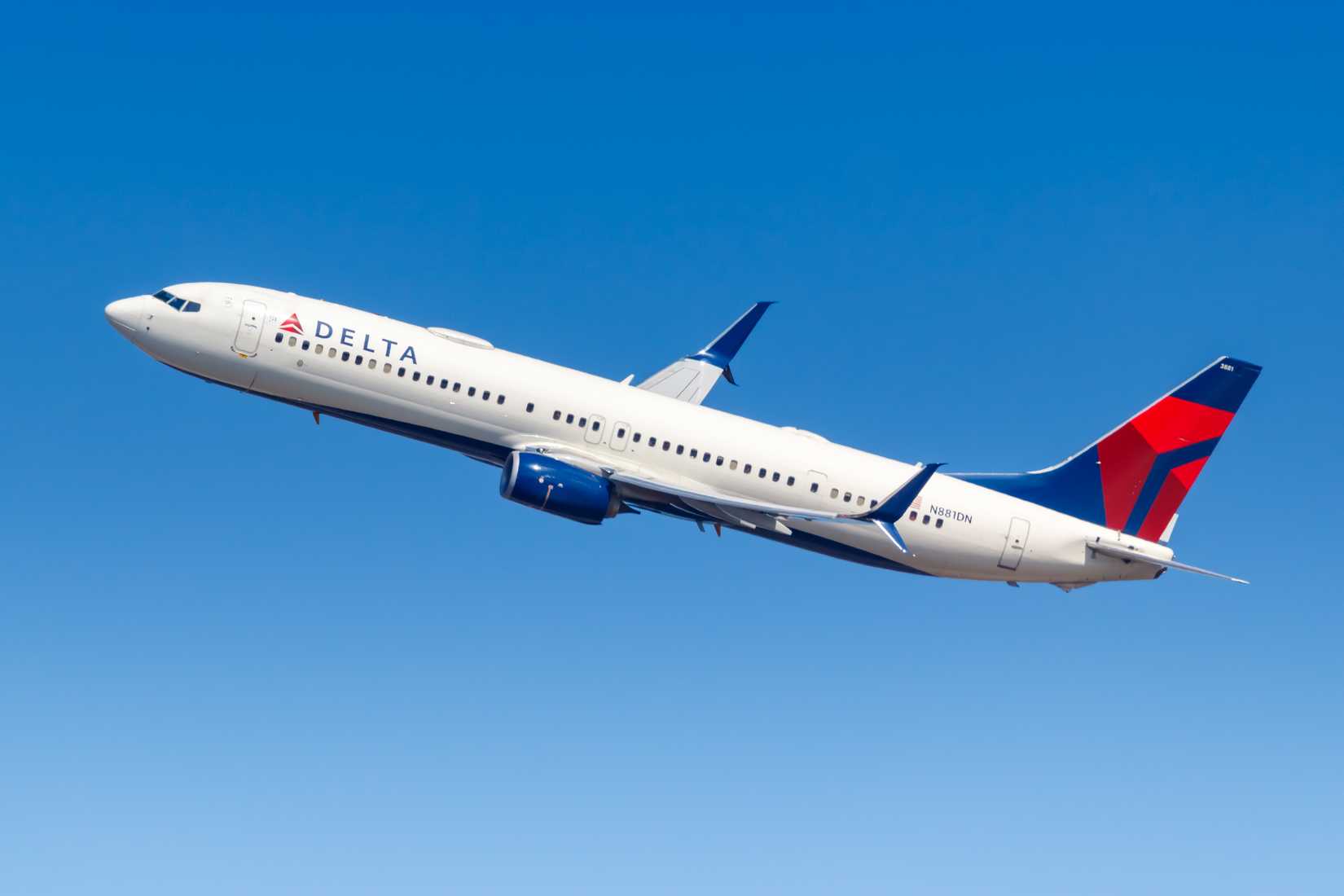
During the mid-2010s, the 737-900ER represented Delta’s newest, most economical large narrowbody option. By placing such a massive order, the Atlanta-headquartered carrier intended to maximize the utilization of these aircraft across its longest domestic sectors. This included Caribbean routes that benefited from ETOPS-enabled shortcuts, as well as an ambitious plan to deploy the 737-900ER on West Coast-to-Hawaii services, which inherently require ETOPS-180 compliance.
However, maintaining ETOPS-specific equipment and specialized maintenance oversight is a costly endeavor. As Delta integrated newer and highly fuel-efficient Airbus A321neo aircraft into its network—deploying them effectively on extended Caribbean itineraries—and as the planned Boeing 737 Hawaii operations failed to meet strategic expectations, the airline shifted course. Delta ultimately pulled the 737-900ER off the Hawaii routes, prompting a re-evaluation of the necessity of maintaining widespread ETOPS certification across the entire subfleet.
Pushing The 737-900ER Too Far
Before the arrival of the 737-900ER, Delta relied heavily on the Boeing 757, a less fuel-efficient aircraft, to manage its demanding West Coast-to-Hawaii routes. In 2016, Delta began scheduling the 737-900ER on flights connecting Seattle to Honolulu, followed shortly thereafter by service to Kona. Yet, these operations ultimately pushed the 737-900ER to the very edge of its payload-range capabilities, leading the airline to reverse its decision and reinstate the Boeing 757 on those runs.
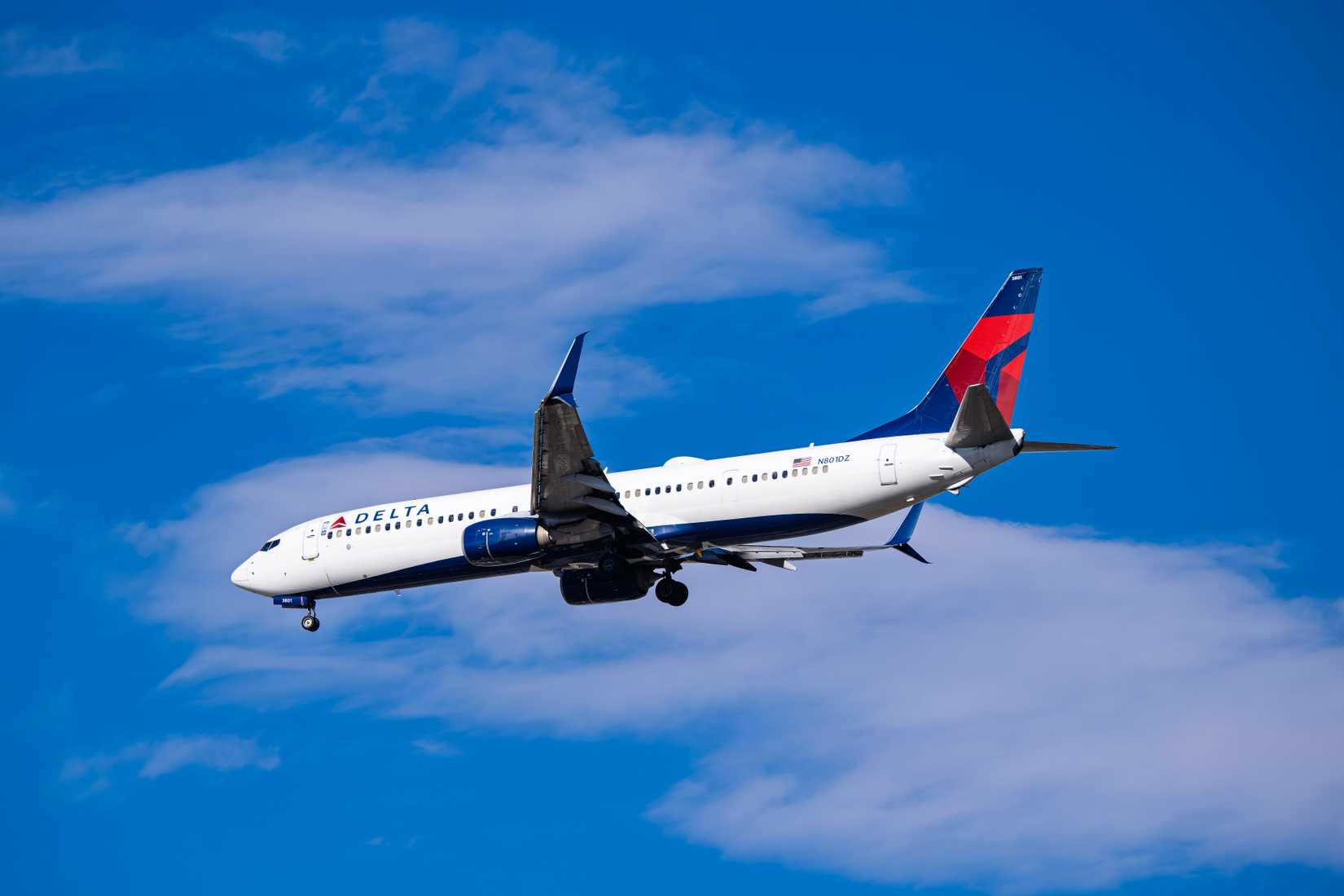
While the 737-900ER is fully capable of executing long routes, extended overwater operations governed by ETOPS rules demand significant fuel reserves. Because there are virtually no diversion airports situated between the US West Coast and the Hawaiian Islands, an aircraft must carry enough fuel to safely turn around midway if an emergency arises. This substantial fuel reserve requirement adds considerable weight to the aircraft, which directly eats into passenger and cargo payload capacity. As a result, Delta’s 737-900ERs were frequently payload-restricted on Hawaii flights, which ultimately compromised potential route revenue.
United Airlines encountered a very similar dilemma when deploying the 737-900ER to Hawaii. However, unlike Delta—which maintained a sizable domestic-configured 757 fleet—United had fewer alternatives and often configured its 757s with premium lie-flat business class seating. Delta, by contrast, possessed the flexibility to shift those challenging routes back to its domestic-configured 757s, which incurred higher operating costs but generated stronger overall revenue. In the modern era, Delta relies on the Airbus A321neo for its Hawaii operations, while United utilizes the Boeing 737 MAX, effectively sidestepping the payload-range limitations that plagued the older 737-900ER operations.
Different Approaches To ETOPS
Delta currently deploys a mix of Airbus A321neos, Boeing 737-900ERs, and Boeing 757s across its overwater network spanning the Caribbean and Hawaii. Because these missions are shared among several aircraft families, the airline maintains dedicated subfleets featuring a blend of ETOPS-certified and non-ETOPS airframes. Only about half of Delta’s Airbus A321neo fleet is certified for ETOPS, alongside select 737s and 757s. Out of an expansive narrowbody fleet totaling 828 aircraft, just over 100 airframes carry ETOPS certification, precisely matching the carrier’s operational requirements.
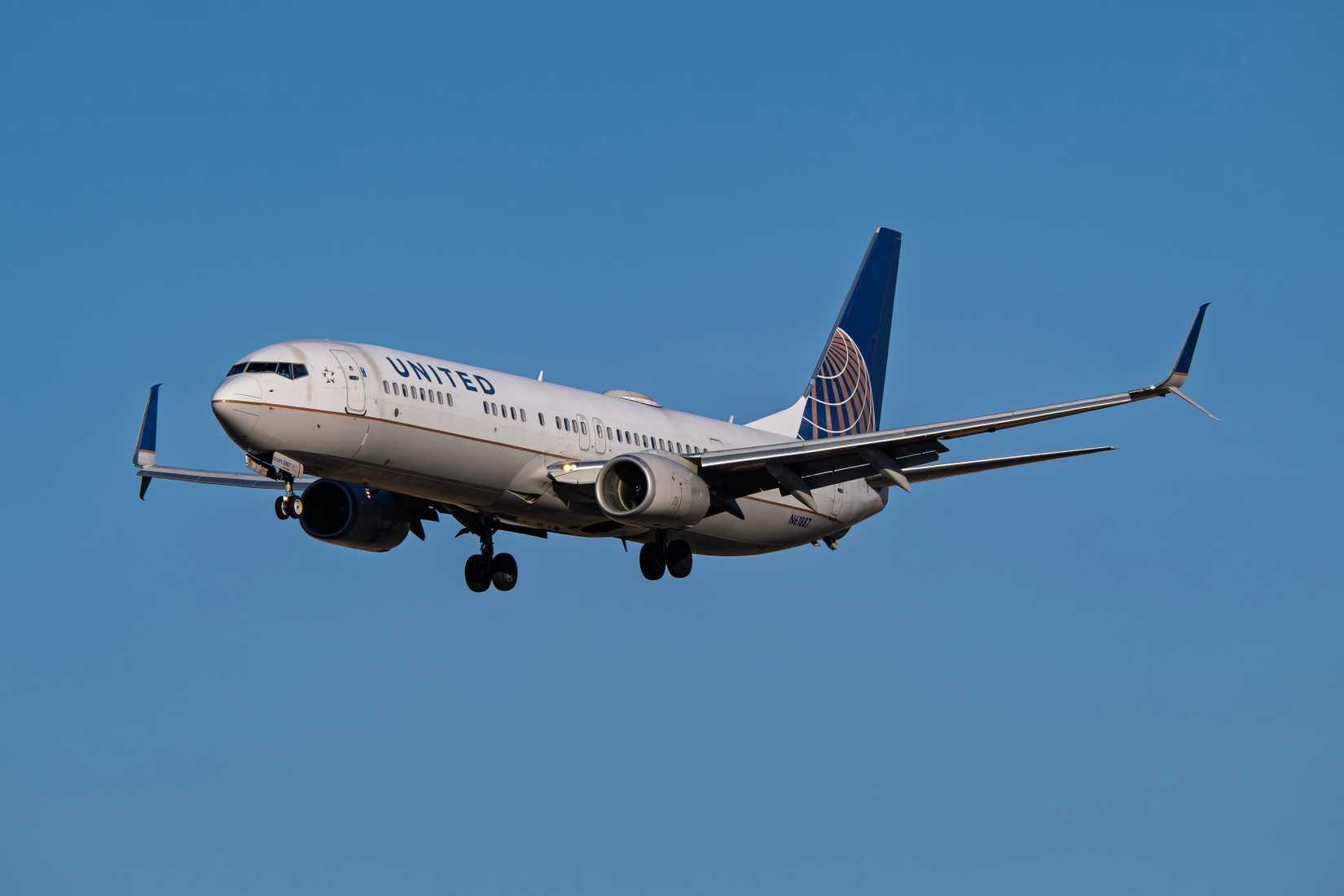
In contrast, United Airlines takes a vastly different path by certifying its entire fleet of 640 Boeing 737s and 61 Boeing 757s for ETOPS operations. United heavily utilizes its 737s for Caribbean and Hawaii services, while employing the Boeing 757-200 on transatlantic flights to Europe and the larger 757-300 on select Hawaiian routes. While this means United maintains significantly more ETOPS-certified aircraft than strictly necessary—extending certification even to 12 legacy 737-900s primarily flying short domestic legs out of Houston—the strategy affords the airline exceptional operational flexibility.
If an ETOPS-certified 737 experiences an unexpected mechanical issue within United’s network, dispatchers can readily substitute another 737 without disrupting the wider flight schedule. Conversely, if one of Delta’s limited ETOPS-certified 737s is grounded, the airline must find a replacement from a much smaller pool of similarly configured aircraft. Delta’s strategy of maintaining distinct subfleets across its A321neo, 737, and 757 families introduces added complexity during irregular operations and spare aircraft allocation. By blanket-certifying its entire 737 lineup for ETOPS, United effectively mitigates that specific scheduling vulnerability.
At the same time, United does not extend ETOPS certification to its Airbus A319, A320, or A321neo fleets, essentially drawing a clear operational boundary where the Boeing 737 family handles Caribbean and Hawaiian flying, while the Airbus single-aisle fleet remains restricted to mainland US airspace. While United’s comprehensive certification approach involves higher upfront and ongoing maintenance costs, it prioritizes seamless fleet interchangeability.
ETOPS Certification In US Airline Operations
Strictly speaking, ETOPS certification is not a regulatory prerequisite for flights operating between the United States mainland and the Caribbean. Nevertheless, specific flight corridors situated southeast of Bermuda and heading into the Eastern Caribbean routinely take aircraft more than 60 minutes away from any available diversion airfield. When Bermuda is temporarily unavailable as an emergency diversion option, flights must hug the Florida coastline, adding distance to the journey. While ETOPS is not mandatory for every Caribbean trajectory, holding the certification unlocks more direct, fuel-efficient routing options, while remaining entirely indispensable for Hawaii services.
Achieving and maintaining ETOPS approval requires adherence to stringent maintenance standards. Aircraft must be outfitted with redundant communication and navigation systems, and an ETOPS-qualified mechanic must complete a rigorous pre-flight service check. Engine inspections must be independently verified by two separate certified technicians, and the aircraft maintenance logs must explicitly designate the airframe as ETOPS-compliant.
Ultimately, ETOPS is designed as a comprehensive regulatory safeguard ensuring that twin-engine aircraft can safely navigate remote airspace far from diversion airports. Because the compliance framework is resource-intensive and expensive, airlines carefully calculate whether the financial outlay of certifying an airframe is offset by the operational advantages of overwater routing. Although early aviation pioneers could scarcely envision single-aisle jets regularly crossing vast oceans or connecting the mainland to remote island chains, modern advancements in engine reliability and regulatory evolution have made routine narrowbody overwater operations an everyday reality across American skies.
Related News