Carnival Cruise Line Shakes Up Fleet Strategy with Order for Smaller, 130,000-Ton Ships
Article Editorial Team
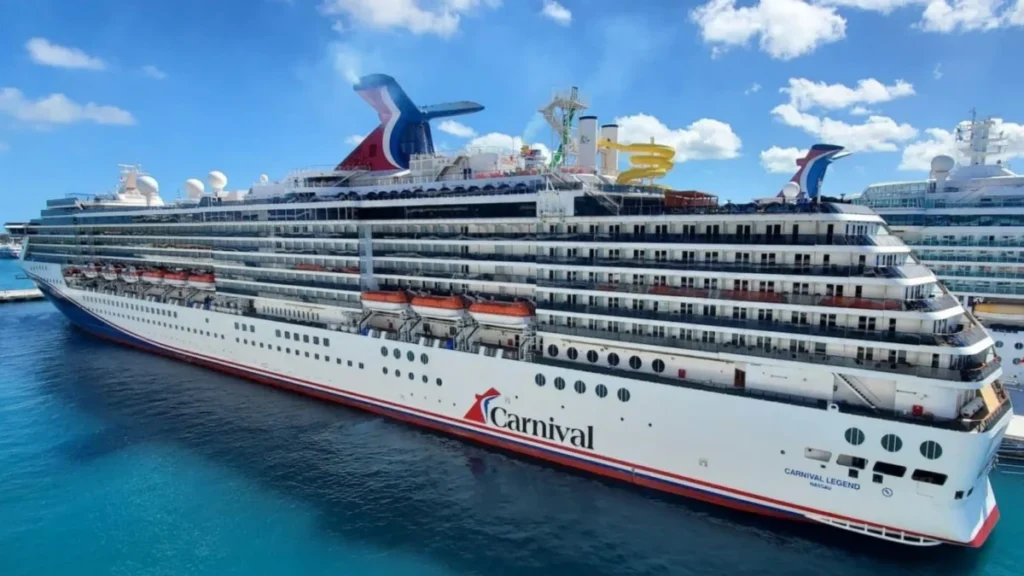
In a strategic shift that defies decades of industry trends favoring ever-larger megaships, Carnival Cruise Line has announced plans to introduce a brand-new class of smaller vessels. When the lead ship of this yet-to-be-named class embarks on its maiden voyage in 2033, it will mark a historic milestone for the cruise operator: the first time in 32 years, and only the second time in the company’s more than 50-year history, that Carnival has debuted a new ship class physically smaller than its immediate predecessor.
The major reveal came during a high-profile industry update in New York City, where Carnival Cruise Line executives outlined the company’s long-term vision for its fleet, onboard experiences, and private destinations in The Bahamas. While major cruise lines have spent the past several decades engaged in a continuous arms race to build larger vessels boasting record-breaking passenger capacities, Carnival is deliberately pumping the brakes on scale.
The centerpiece of the announcement, delivered by Carnival Cruise Line President Christine Duffy, is an order for a new class of vessels measuring approximately 130,000 gross tons. To put that scale into perspective, these ships will be a staggering 100,000 gross tons smaller than Carnival’s upcoming massive Excel-class ships scheduled to debut in 2029.
The last time Carnival charted a similar course was back in 2001, when the 95,000-ton Carnival Spirit made its debut. At the time, Carnival Spirit represented a departure from the larger Fantasy-class and Destiny-class ships that preceded it, creating a beloved sub-fleet known for its intimate feel and unique architectural layout. For more than three decades since, every subsequent new class of ships introduced by the cruise line has broken size records, culminating in the massive, gas-powered giants that currently anchor the modern fleet.
Why Smaller Ships?
The decision to pivot toward smaller vessels is driven by a combination of strategic operational flexibility and direct feedback from the cruise line’s most dedicated passengers. For years, a significant segment of the cruising public has voiced a preference for mid-sized ships over sprawling megaships, citing a more intimate atmosphere, easier navigation around the vessel, and less crowded public spaces.
Carnival executives emphasized that many of their most loyal guests prefer ships that capture a traditional cruising ambiance without sacrificing modern amenities. By listening to these passenger preferences, the cruise line recognized an opportunity to cater to travelers who find megaships overwhelming.
Beyond passenger sentiment, operational economics and geography played a crucial role in the decision. Smaller ships possess a distinct competitive advantage when it comes to global deployment: they can access a wider variety of ports that lack the deep-water infrastructure or turning basins required to accommodate massive megaships. This limitation has historically restricted mega-class vessels to a relatively standardized circuit of major, highly trafficked ports.
By scaling back to 130,000 gross tons, Carnival gains the ability to expand its destination offerings significantly, routing ships to unique ports of call that were previously off-limits. Furthermore, these smaller dimensions grant the line greater flexibility in selecting U.S. homeports, potentially opening up new regional markets and bringing cruises closer to millions of prospective passengers who prefer driving to a departure port rather than flying.
What We Know About This New Class
Despite the excitement surrounding the announcement, specifics regarding the physical design, layout, and amenities of the upcoming vessels remain sparse. Carnival Cruise Line has officially partnered with renowned Italian shipbuilder Fincantieri to construct the vessels.
An order has been placed for two ships under this new class, with delivery dates slated for 2033 and 2035, respectively. As of now, the cruise line has not yet determined or released an official name for the class.
However, one major technical specification has been confirmed: both 130,000-gross-ton ships will be powered by liquefied natural gas (LNG). The adoption of LNG aligns with Carnival Corporation’s broader corporate sustainability goals aimed at reducing marine emissions and minimizing the environmental impact of its global fleet.

Because the maiden voyage of the first ship is still roughly seven years away, industry analysts anticipate that Carnival will keep specific interior details under wraps for the near future. Comprehensive reveals regarding stateroom designs, neighborhood layouts, and onboard entertainment venues will likely be shared closer to the actual construction milestones.
What Are They Saying?
The partnership between Carnival Corporation and Fincantieri represents a decades-long relationship built on mutual trust and industrial innovation. Leaders from both corporate entities shared their perspectives on the landmark order and the evolving landscape of cruise ship manufacturing.
Pierroberto Folgiero, CEO and Managing Director of Fincantieri, emphasized the technological significance of the new contract within the broader maritime sector.
"This new order is a powerful endorsement of Fincantieri’s industrial leadership and of its ability to shape the future of the global cruise industry," Folgiero said. "Our relationship with Carnival Corporation continues to evolve through a shared ambition to push the boundaries of ship design, technological innovation, and sustainability."
Folgiero highlighted the manufacturing philosophy behind the vessels, pointing to the company’s internal modernization initiatives.
"These vessels embody a new paradigm of shipbuilding, where product innovation goes hand in hand with the transformation of our industrial system," he added. "Through our Shipyard of the Future strategy, we are investing in infrastructure, digitalization, advanced automation, robotics, and Physical AI to fundamentally rethink how complex ships are designed and built."
He noted that the long-term pipeline reinforces the stability and competitiveness of Italian shipyards, setting new benchmarks for efficiency in high-value maritime construction.
Josh Weinstein, CEO of Carnival Corporation, underscored how the new order fits into the parent company’s broader, multi-brand expansion and fleet modernization strategy.
"With 12 new ships now on order for delivery through 2039 across Carnival Cruise Line, Princess, and AIDA, we have a strong pipeline that supports our measured approach to growth," Weinstein stated. "The variety of ship sizes and features gives us flexibility to expand the choices and destinations we offer guests."
Weinstein also pointed to the continuous environmental advancements embedded in each successive generation of ship design.
"At the same time, each new generation of ships brings advances in technology and efficiency that help us further reduce emissions and our overall environmental footprint," Weinstein said. "Fincantieri has been a terrific partner throughout this journey, and even after 76 ships and 30 years, there’s still something special about seeing the next one come to life."
Related News