Air Canada Boeing 737 MAX Avoids Mid-Air Incident After TCAS Advisory Near Palm Springs
Article Editorial Team
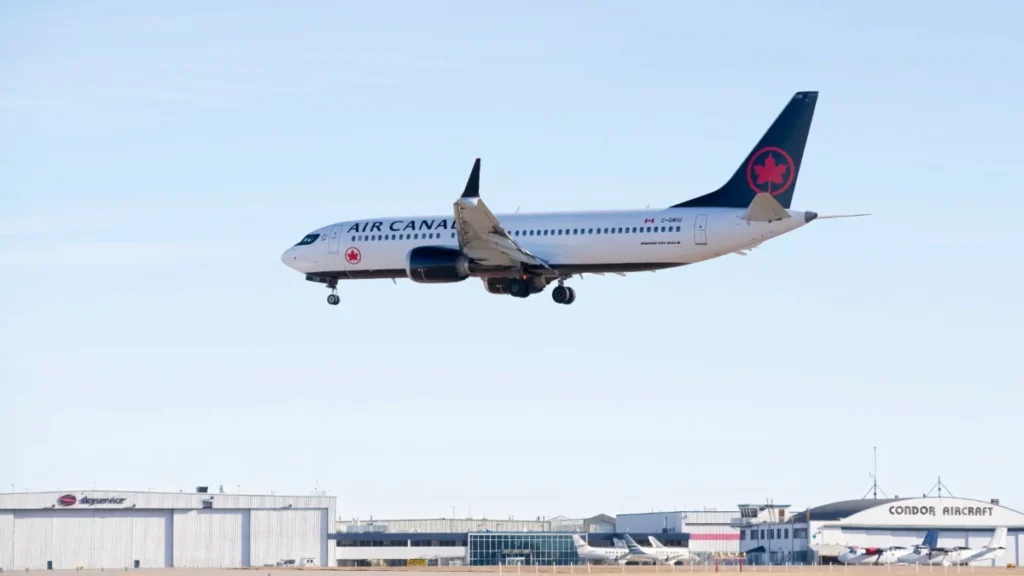
An Air Canada flight bound for Vancouver experienced a dramatic moment shortly after takeoff on November 17, 2026, when its cockpit systems forced an immediate evasive maneuver. Operating as Flight AC1769, the Boeing 737 MAX 8 was climbing out of Palm Springs International Airport in California when it encountered an unresponsive Cessna aircraft, triggering a critical Traffic Collision Avoidance System (TCAS) resolution advisory that required the commercial airliner to abruptly alter its vertical flight path.
The incident underscores the vital role that automated safety systems play in modern commercial aviation, particularly within busy or unpredictable airspace. While the flight ultimately continued to its destination without further incident, the encounter highlights ongoing concerns regarding airspace separation and the challenges posed by uncommunicative general aviation traffic sharing the skies with large commercial airliners.
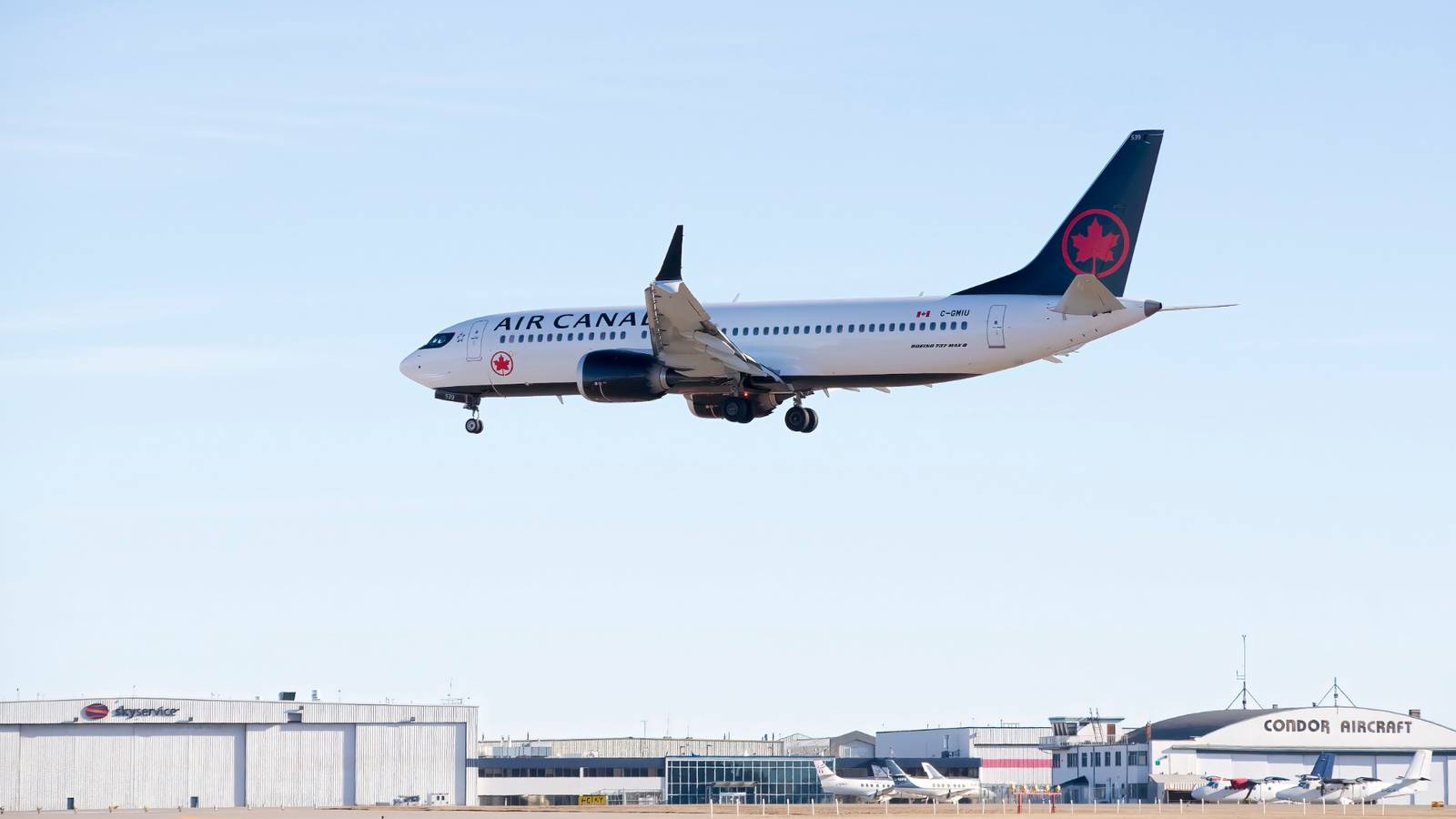
Air Canada Flight Receives TCAS Climb Advisory
According to initial reports from aviation monitoring sources, including AIRLIVE and AeroSillage, Air Canada flight AC1769 departed Palm Springs International Airport at approximately 12:45 local time on November 17. The aircraft involved, a Boeing 737 MAX 8 registered as C-FSDB, was operating a regularly scheduled commercial service carrying passengers to Vancouver International Airport in British Columbia.
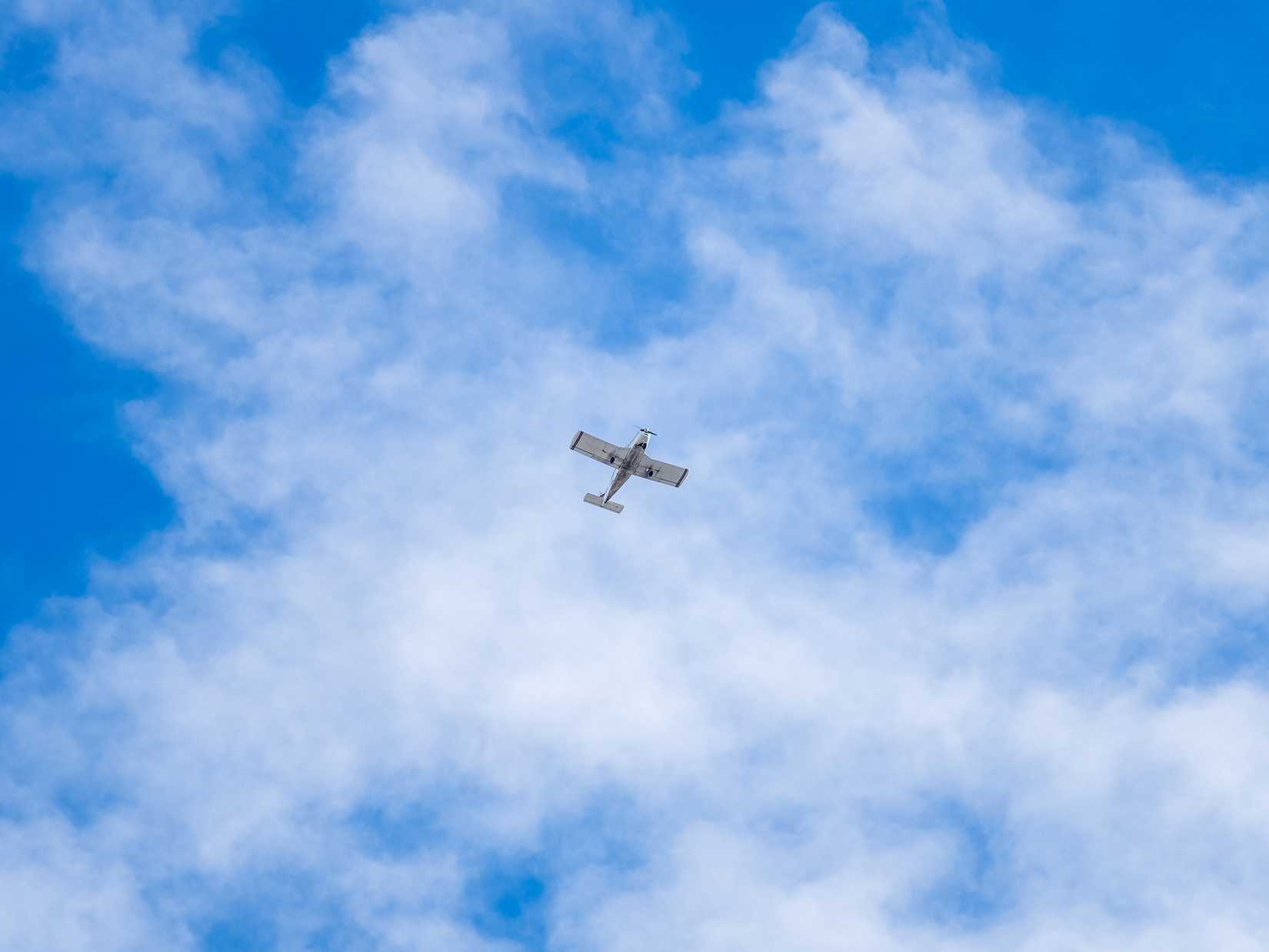
The departure proceeded normally at first, with the aircraft lifting off from Runway 31R and initiating its standard climb profile toward its designated cruising altitude. However, as the twin-jet climbed through approximately 11,400 feet, the flight deck was suddenly alerted by the onboard Traffic Collision Avoidance System. The system detected potential conflicting traffic in the immediate vicinity—specifically, a small Cessna aircraft that was reportedly failing to respond to radio communications or air traffic control instructions.
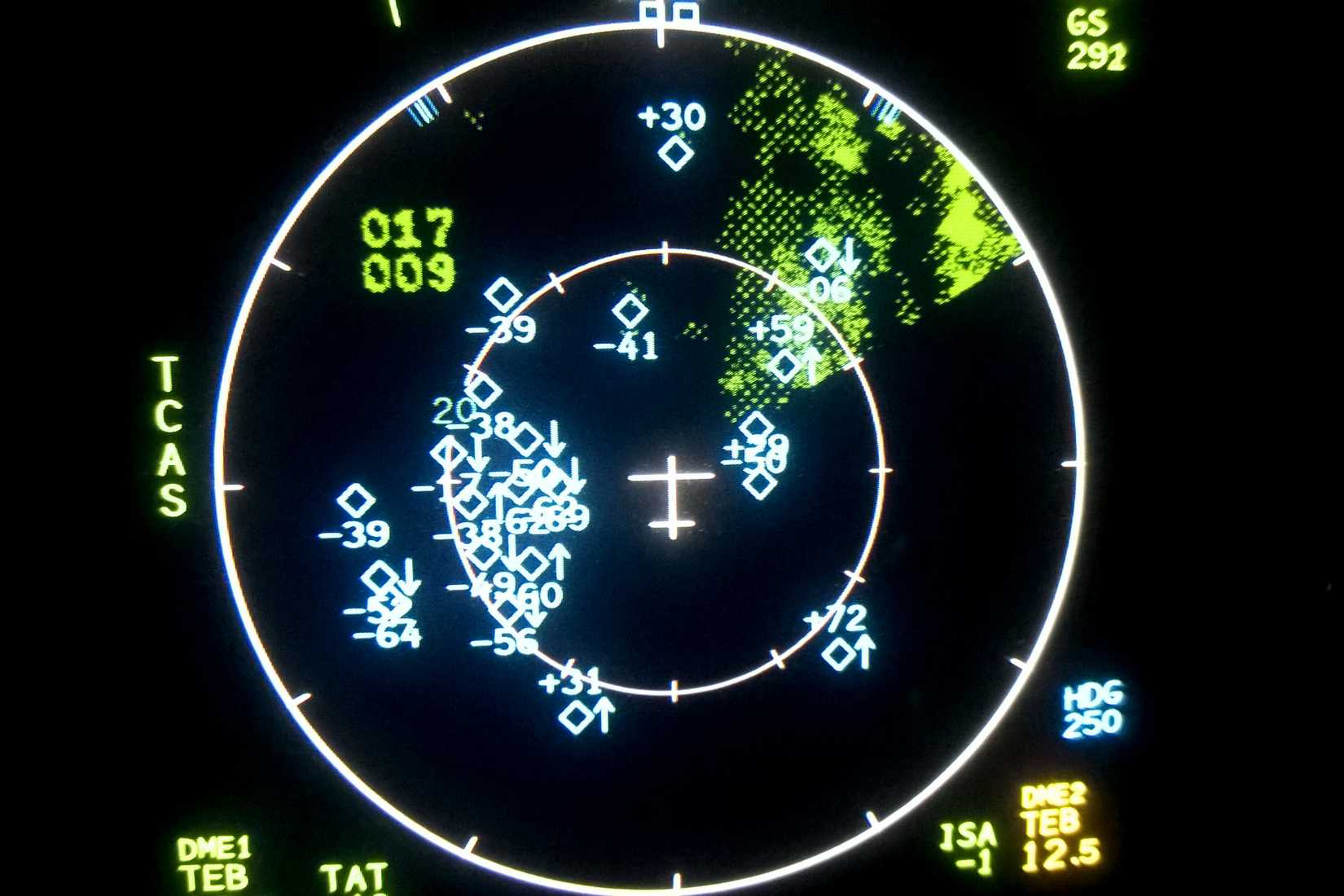
To mitigate the risk of a mid-air collision, the TCAS generated an automatic resolution advisory (RA). This critical safety command instructed the Air Canada flight crew to immediately modify their vertical trajectory, prompting the pilots to climb to 12,000 feet. This instantaneous 600-foot altitude adjustment was designed to establish adequate vertical separation between the commercial airliner and the slower, smaller general aviation aircraft.

Unlike traffic advisories, which simply warn flight crews of nearby aircraft and encourage visual scanning, a resolution advisory provides explicit, mandatory escape maneuvers. Aviation authorities mandate that pilots follow these automated commands promptly unless doing so would directly jeopardize the safety of the aircraft. In this instance, the Air Canada crew executed the climb advisory swiftly, ensuring the safety of everyone on board.
How TCAS Protects Aircraft From Mid-Air Collisions
The Traffic Collision Avoidance System represents one of the most significant safety advancements in the history of commercial aviation. Designed to operate independently of ground-based air traffic control, TCAS continuously monitors the airspace surrounding an aircraft by interrogating the transponders of nearby planes. When the system calculates that two aircraft are on converging paths that could breach minimum separation standards, it steps in to prevent disaster.
In situations where aircraft are operating in dense corridors or near busy regional airports, the potential for traffic conflicts increases significantly. General aviation aircraft, such as single-engine Cessnas, frequently share airspace with commercial jets, particularly during the departure and arrival phases of flight when commercial airliners are climbing or descending through lower and middle altitudes.
While air traffic controllers bear the primary responsibility for separating aircraft, automated systems like TCAS serve as an indispensable final layer of defense. According to the Federal Aviation Administration’s Aeronautical Information Manual, pilots are trained to react instantly to resolution advisories, overriding normal vertical speed profiles to follow the system’s automated directives.
Despite the sophistication of the technology, several questions regarding the Palm Springs incident remain unanswered. Available aviation reporting has not yet established whether the Cessna experienced a total radio communication failure, missed an instruction from air traffic control, or was operating on a different frequency. Furthermore, official details regarding the exact registration of the smaller aircraft, the specific nature of the communication attempts, and the minimum physical distance between the two planes during the closest point of approach have not been publicly disclosed by regulatory authorities in the United States or Canada.
Boeing 737 MAX Continues to Vancouver
Following the tense moments during the initial climb, the Air Canada flight crew stabilized the aircraft and continued their journey northward. Because the immediate conflict had been successfully resolved by the TCAS maneuver and no structural damage or onboard emergencies occurred, the flight did not require an emergency diversion or a return to Palm Springs.
Flight-tracking data confirms that the Boeing 737 MAX 8 proceeded along its planned route, eventually touching down safely at Vancouver International Airport at 16:45 local time. The total flight time for the journey from Southern California to British Columbia was approximately two hours and forty minutes. Aside from the unexpected mid-air encounter, the remainder of the flight was reported as uneventful.
The incident serves as a stark reminder of the complexities and unpredictable nature of aviation operations, demonstrating how routine commercial departures can be instantly complicated by unexpected traffic conflicts. While the rapid response of the flight crew and the flawless execution of onboard safety protocols prevented any hazardous outcome, the event underscores the critical importance of situational awareness, transponder use, and vigilant communication for all airspace users.
As of now, neither the Federal Aviation Administration nor Canadian transport authorities have released comprehensive findings or official reconstructions detailing the exact sequence of events that led to the proximity alert. Consequently, while the ultimate outcome of the flight was safe and secure, the precise circumstances surrounding the uncommunicative Cessna remain a subject of ongoing interest within the aviation community.
Related News