Navigating Flight Cancellations: Essential Steps and Strategies for Modern Travelers
Article Editorial Team
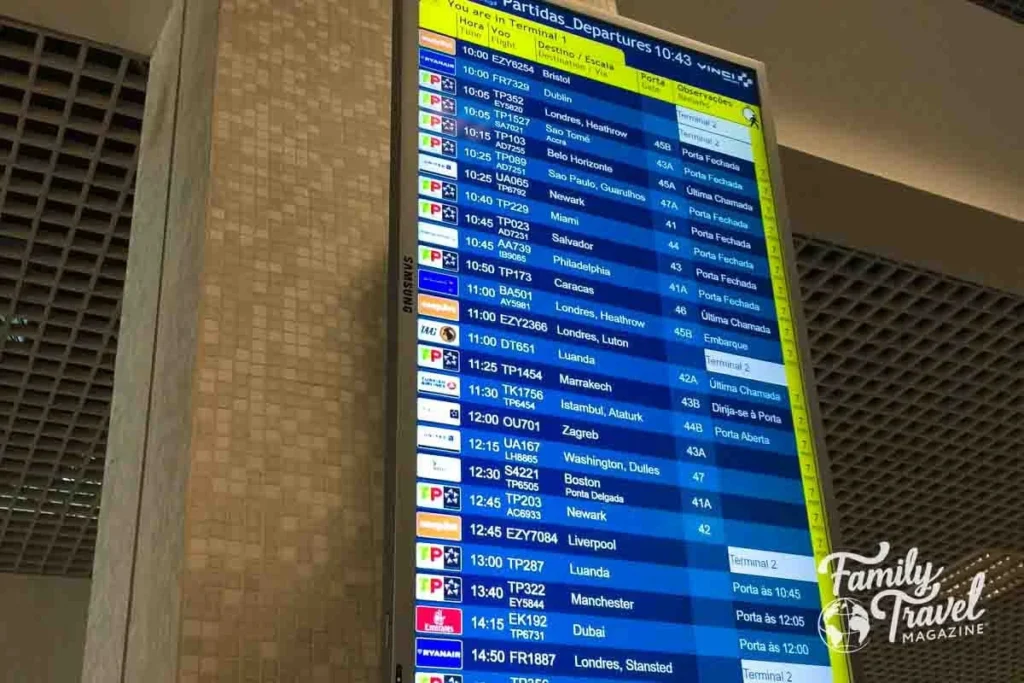
In recent years, air travelers across the country have faced an increasingly frustrating reality: flights are being canceled with greater frequency than ever before. Whether these disruptions occur well in advance of a scheduled trip, giving passengers a few days to adjust, or materialize suddenly due to extreme weather conditions while travelers are already standing at airport gates, flight cancellations have become a major hurdle in modern transportation. When a journey comes to an abrupt halt, knowing how to respond swiftly and strategically can make the difference between salvaging a vacation and enduring a travel disaster.
The rising frequency of flight interruptions has turned what used to be a rare inconvenience into a regular component of trip planning. Travel experts and seasoned flyers alike note that external factors, ranging from severe meteorological phenomena to ongoing scheduling adjustments by commercial airlines, require passengers to adopt a proactive mindset. Understanding the precise protocol to follow when a flight is canceled ensures that passengers can pivot quickly, secure alternative arrangements, and ultimately reach their intended destinations with minimal stress.
When a cancellation strikes, immediate action is paramount. The first priority for any stranded passenger is to check whether the airline has already initiated an automated rebooking process. Many major carriers utilize automated systems to issue cancellation alerts and simultaneously place affected passengers onto the next available flight. Reviewing these notifications carefully via text, email, or the airline’s mobile application can reveal whether a replacement itinerary is already secured.
If an automatic rebooking has not taken place, or if the proposed alternative does not suit the traveler’s schedule, contacting the airline immediately is critical. For passengers caught off guard while already at the airport, the most effective strategy involves a dual approach: standing in line to speak directly with a gate agent or customer service representative while simultaneously calling the airline’s reservation hotline. This simultaneous method maximizes the chances of securing a seat on a scarce alternative flight before inventory vanishes entirely.
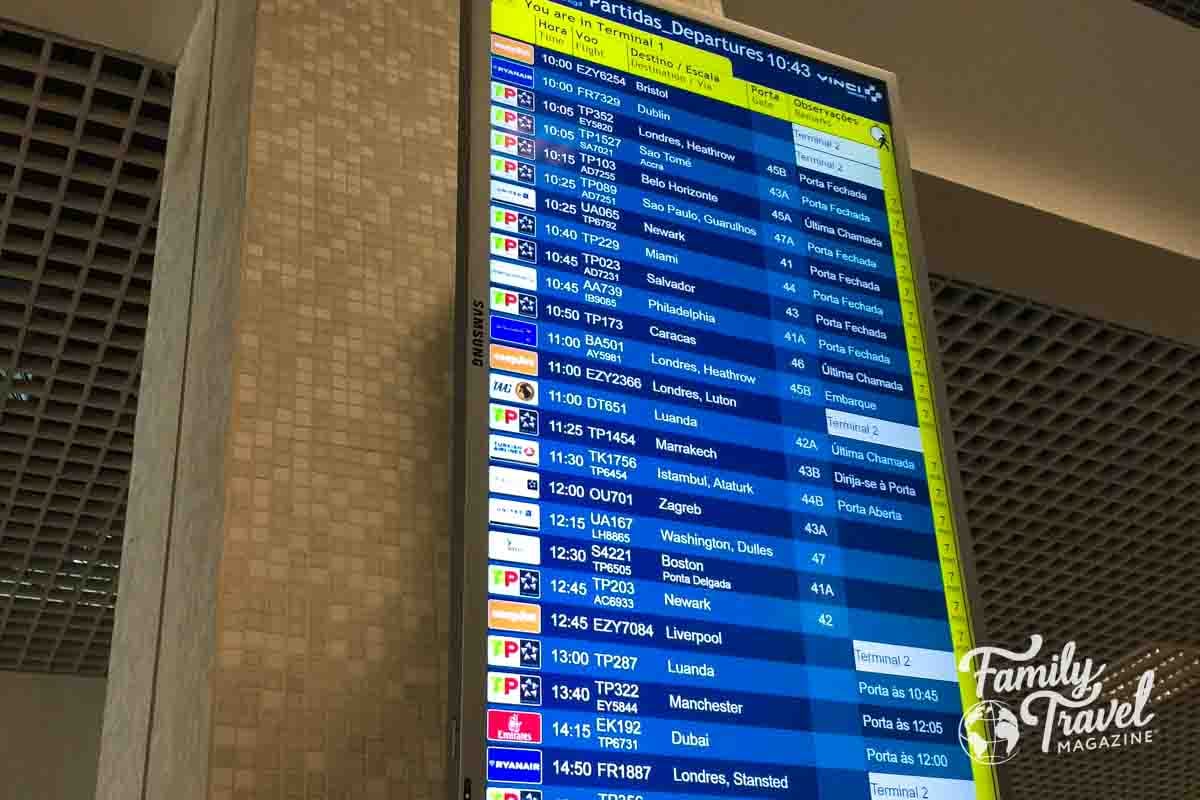
During these high-stress interactions, flexibility becomes a traveler’s greatest asset. Passengers should be open to considering alternative routing options, such as accepting connecting flights instead of a preferred direct route, or exploring flights departing from or arriving at nearby secondary airports. Furthermore, travelers who decide that the disruption makes the entire trip unviable, or who wish to switch to an alternative form of transportation like driving or taking a train, should explicitly ask customer service representatives about their options for refunds or itinerary adjustments.
When itinerary or aircraft changes occur, secondary complications often arise, making it vital to review seat assignments promptly. Aircraft swaps frequently trigger automatic seating reallocations, which can inadvertently separate families or travel companions. Travelers, particularly those journeying with children, must double-check their seating arrangements immediately following any schedule modification to ensure they remain seated together. Additionally, passengers who have checked bags must explicitly inform the airline agent about their luggage. Agents need to update baggage tags immediately to ensure suitcases are rerouted correctly alongside the passenger’s new flight path.
For travelers facing extended interruptions, preparing for a long wait at the terminal is essential. If a cancellation forces an overnight stay, passengers should inquire whether the airline will provide a hotel voucher, though it is important to note that carriers are generally not obligated to provide accommodations for weather-related disruptions. When stuck at an airport for an entire day, some travelers opt to book a day-use stay at an airport hotel at their own expense to access amenities like quiet rooms, showers, and comfortable environments. Packing essential electronics, phone chargers, and necessary supplies in carry-on bags ensures that families, especially those traveling with infants and toddlers, remain comfortable throughout prolonged terminal delays.
While external events like severe storms cannot be controlled, travelers can take specific preventive measures during the booking phase to minimize their vulnerability to cancellations. Leaving ample buffer time between connecting flights is crucial, and passengers heading toward time-sensitive events, such as weddings or cruise departures, should plan to arrive at their destination well in advance of the scheduled start time to absorb potential travel delays.
Keeping meticulous track of flight schedules well before a trip is another vital defense mechanism. Because airlines frequently update and adjust their master schedules months or weeks in advance, flights can occasionally be canceled or rescheduled without dramatically altering the overarching travel window. Although commercial airlines typically send out automated notifications, important emails can easily get lost in crowded inboxes or spam folders.

To combat this, many frequent flyers utilize specialized mobile applications to monitor their itineraries automatically. While paid tracking tools such as Flighty and TripIt offer advanced real-time alerts and comprehensive flight status monitoring, casual flyers who travel infrequently may find it simpler to manually check their flight schedules periodically rather than investing in paid subscriptions.
Regardless of the tracking method chosen, ensuring that the airline has the most up-to-date contact information—including a current mobile phone number and email address—is essential at the time of booking and again during check-in. Downloading the airline’s official mobile application and remaining logged in throughout the travel period ensures that passengers receive instant push notifications regarding gate changes, delays, or cancellations.
Monitoring weather forecasts closely is particularly beneficial when widespread meteorological events, such as major winter snowstorms or seasonal hurricanes, threaten regional travel. Airlines frequently monitor these weather patterns days in advance and often issue formal travel advisories that waive standard change and cancellation fees. Travelers based in regions prone to severe winter weather, for instance, frequently encounter these flexible policy windows.
Taking advantage of these advance advisories allows passengers to alter their travel plans proactively. Modifying an itinerary to depart a day or two early can allow travelers to bypass the immense airport chaos that typically accompanies major storm systems. Making these adjustments online or through customer service before arriving at the airport helps passengers avoid grueling phone hold times and long terminal queues.
When cancellations occur on the exact day of travel—either before leaving home or upon arrival at the terminal—the approach must adapt to the specific circumstances. Prior to leaving for the airport, checking flight statuses through dedicated tracking apps allows passengers to observe the real-time movement of the inbound aircraft. Spotting potential equipment or weather delays before leaving home can save travelers an unnecessary and frustrating trip to the airport.
If a flight is canceled while the traveler is already at the airport, the presence of physical gate agents provides an immediate avenue for assistance. However, because terminal lines swell rapidly during widespread disruptions, utilizing the dual-contact method of standing in line while simultaneously calling the airline’s customer service line remains the most efficient strategy. Remaining calm, polite, and realistic about the limited options available to customer service agents often yields more favorable results when seeking alternative routing.
Finally, many travelers frequently evaluate whether purchasing travel insurance is a worthwhile investment. When managing severe flight delays, cancellations, and associated logistical hurdles, comprehensive travel insurance policies can provide significant financial relief by covering extra expenses that airlines refuse to absorb, including unexpected hotel accommodations and costs associated with delayed or lost luggage. Travelers are advised to review the specific terms of their policy prior to departure and ensure that policy documents and emergency assistance contact numbers are readily accessible throughout the journey.
Related News