Community Day at John James Audubon Center Celebrates Cultural Diversity and Avian Migration
Article Editorial Team
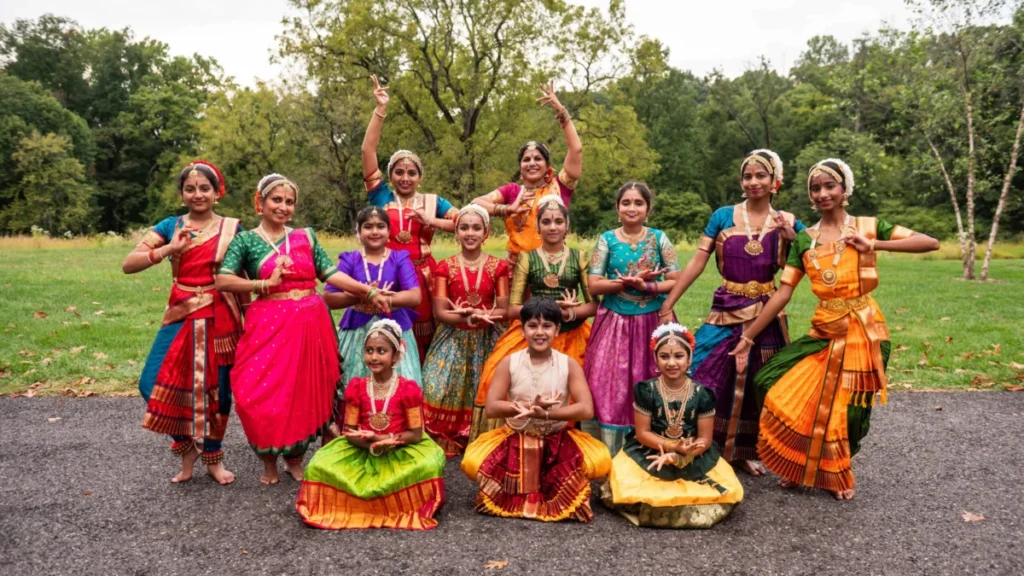
As the autumn season ushered in the rhythmic pulse of fall migration, the John James Audubon Center (JJAC) served as a vibrant crossroads for nature and culture in late September. Approximately 250 neighbors, partners, and bird enthusiasts gathered at the historic site to participate in the center’s annual Community Day, an event designed to bridge the gap between local cultural expression and the global phenomenon of bird migration. Against the backdrop of shifting leaves and the restless movement of avian travelers, the event fostered an atmosphere of learning, artistic collaboration, and cross-cultural exchange.
The gathering transformed the center’s grounds into a bustling hub of activity, where the quiet appreciation of wildlife met the energetic sounds of traditional dance and global cuisine. By bringing together local artists, performers, and community organizations, the Audubon Center reinforced its commitment to being a space that welcomes diverse populations, ensuring that the natural world—and the conservation efforts aimed at protecting it—remains a shared priority for the entire community.
This year’s iteration of the celebration built upon the successes of previous years, expanding its reach to include a broader representation of the local region’s demographics. Among the most notable additions to the program was an increased emphasis on the local Indian community. Attendees were treated to a mesmerizing Kuchipudi dance performance by members of the Sri Sai Nataraja Academy. The intricate footwork and expressive storytelling of the classical Indian dance form provided a striking contrast to the natural beauty of the Audubon Center’s landscape, highlighting the intersection of human artistry and the natural world. Complementing the performance, the Hindu American Foundation hosted an educational table, providing visitors with deeper insights into the cultural traditions and community values of the local Indian population.
The day was defined by a truly international spirit, reflecting the diverse tapestry of the surrounding region. The cultural programming was rounded out by the lively, rhythmic movements of Mexican folk dancing performed by Ballet Folklorico Yaretzi. The combination of music—supported by a local DJ—and the visual spectacle of the dance performances created a festive, inclusive environment that encouraged guests to linger and engage with the various offerings.
Food served as another essential pillar of the event’s community-building mission. Vendors brought a variety of international flavors to the center, catering to the diverse palates of the attendees. From the authentic offerings of Mucho Peru and Taco Loco to the local favorites found at Apka Bazar and Bruster’s Ice Cream, the culinary landscape of the event mirrored the diversity of the attendees themselves. The act of sharing a meal in an open, communal setting served as a catalyst for the day’s broader goal: fostering connections between people who might not otherwise cross paths in their daily lives.
Engagement with art was equally central to the Community Day experience. The Center of Culture, Art, Training and Education (CCATE) played a pivotal role in this, leading a hands-on "hojalata" workshop. Hojalata, or traditional tin craft, is a folk art form deeply rooted in Mexican history. Under the guidance of CCATE representatives, participants were able to decorate tin sheets with intricate, colorful depictions of sacred Aztec birds. These creations—featuring eagles, owls, and hummingbirds—allowed attendees to engage directly with the avian themes that underpin the Audubon Center’s mission. By connecting the history of sacred bird iconography to the local bird species that pass through the center during migration, the workshop provided a tangible link between cultural heritage and ecological awareness.
The timing of Community Day also allowed for an immersive experience with the John James Audubon Center’s current seasonal exhibition, "Tree of Life." This exhibition serves as a centerpiece for the fall and winter months, inviting visitors to view the relationship between art and nature through a lens of migration and legacy. Featured prominently in the exhibition are pieces from Natessa Amin’s "Split Inheritance" series, which utilize bird-inspired imagery to explore themes of identity and connection. These contemporary works are displayed alongside "Árboles de la Vida" (Trees of Life), which are striking Mexican clay sculptures crafted by local community art circles and the talented members of Las Artivistas of CCATE. The juxtaposition of these works serves to remind visitors that the "tree of life"—much like the act of migration itself—is a complex, interconnected system that relies on the participation and stewardship of every individual.
Beyond the cultural performances and art installations, the event remained firmly grounded in its mission to educate the public about the natural world. The Bird Migration Explorer, a digital tool provided by the Audubon, offered attendees a practical way to understand the vast, international journeys undertaken by birds. By mapping the routes of migratory species, the Explorer helps visitors conceptualize the challenges these birds face as they travel across borders to reach their wintering grounds in South and Central America.
A significant portion of this educational outreach focused on the tangible impact of human choices on avian survival. Throughout the day, staff and volunteers facilitated discussions on the importance of bird-friendly coffee. The connection is often overlooked: many of the migratory birds that pass through North America during the fall spend their winters in the coffee-growing regions of Central and South America. By choosing bird-friendly coffee—which is grown in ways that preserve the forest canopy—consumers directly contribute to the survival of these species, ensuring they have the habitat necessary to thrive during the winter months. This segment of the event underscored the primary goal of the John James Audubon Center: to empower visitors with the knowledge that their daily habits have global consequences.
As the day progressed, the mix of laughter, music, and thoughtful conversation highlighted the successful synergy between the Audubon’s ecological mission and the community’s desire for connection. By integrating traditional art forms with the scientific reality of migration, the JJAC demonstrated that environmental conservation is not a solitary pursuit, but a collective effort that thrives when it is rooted in a vibrant, diverse community.
For those who were unable to attend the September event, or for those eager to continue their involvement with the center’s initiatives, the Audubon Mid-Atlantic remains active throughout the year. The center is committed to maintaining this momentum by hosting a series of cultural celebrations and educational programs that align with the changing seasons and the ongoing needs of the local environment. Residents and supporters are encouraged to stay connected by visiting the Audubon Mid-Atlantic events page and following their social media channels, where upcoming workshops, exhibitions, and community gatherings are regularly updated.
As the birds continue their long-distance trek toward warmer climates, the John James Audubon Center stands ready to continue its work, serving as a permanent anchor for both the migratory species that rely on its grounds and the human community that finds inspiration and fellowship within its walls. The success of this year’s Community Day serves as a testament to the fact that when a community gathers to celebrate its diverse cultural heritage, it inevitably strengthens the bond between its people and the natural world they share.
Related News