Representative Ritchie Torres to Introduce "Power to the Players Act" to Protect Video Game Ownership
Article Editorial Team
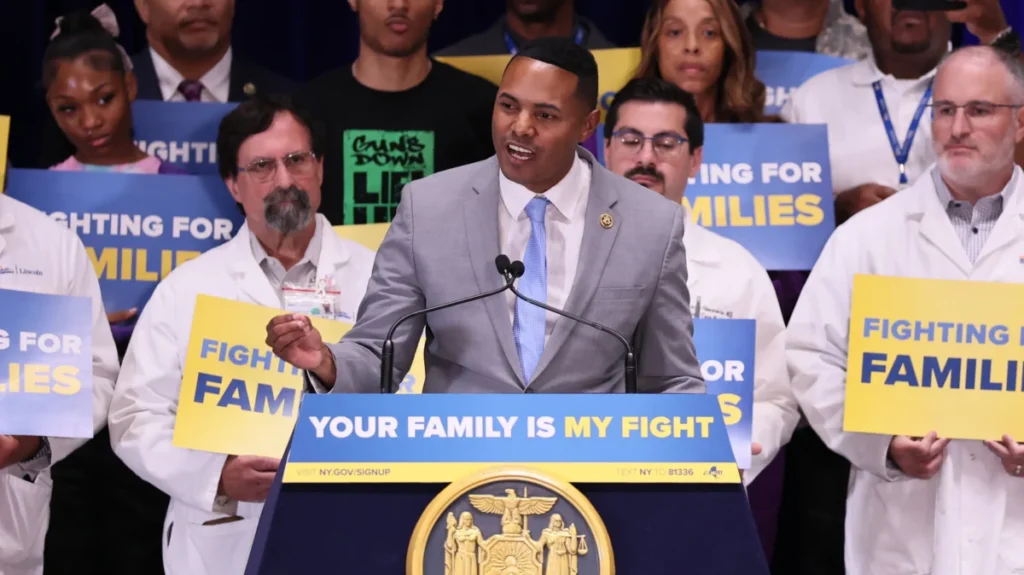
Representative Ritchie Torres (D-NY) has announced plans to introduce federal legislation calling on the Federal Trade Commission to protect the fundamental rights of consumers to own and play the video games they have purchased. The proposed legislation, titled the Power to the Players Act, has not yet been formally introduced in Congress, but its conceptual framework aligns closely with growing grassroots and international movements—such as the Stop Killing Games campaign—that are lobbying heavily for legislative protections in an entertainment landscape increasingly dominated by digital software licenses rather than physical ownership.
The central issue driving Rep. Torres’ announcement is the modern reality of digital distribution, where consumer purchases are frequently treated as revocable licenses rather than permanent property. To illustrate what is currently at stake for ordinary consumers, the announcement specifically highlights NBA 2K25, a prominent basketball simulation video game. Released in 2024 at the standard AAA price point of $70, the game is scheduled to be entirely removed from digital storefronts on October 30, mere months after its initial launch and just two years into its lifecycle.
While the practice of delisting older games due to expiring licenses or shifting publisher priorities is not entirely uncommon in the modern gaming industry, publishers often maintain basic accessibility for existing owners. However, the decision by publisher 2K to simultaneously shut down the dedicated servers supporting the game’s essential online modes in December means that players will effectively lose access to core features of the exact same game they paid full price for by the end of the year. For millions of players who invest both time and money into digital libraries, such sudden closures highlight an alarming vulnerability in the current digital ecosystem.
If enacted, the Power to the Players Act would direct the Federal Trade Commission to intervene and prevent similar situations from recurring across the industry. Specifically, the bill aims to establish regulatory guardrails that ensure players genuinely own their purchased software rather than holding transient licenses subject to unilateral revocation by publishers. Furthermore, the legislation would compel companies to provide a functional offline mode or alternative access mechanisms if a game’s online servers are permanently taken down, ensuring that the software remains playable long after the publisher decides to withdraw official online support.
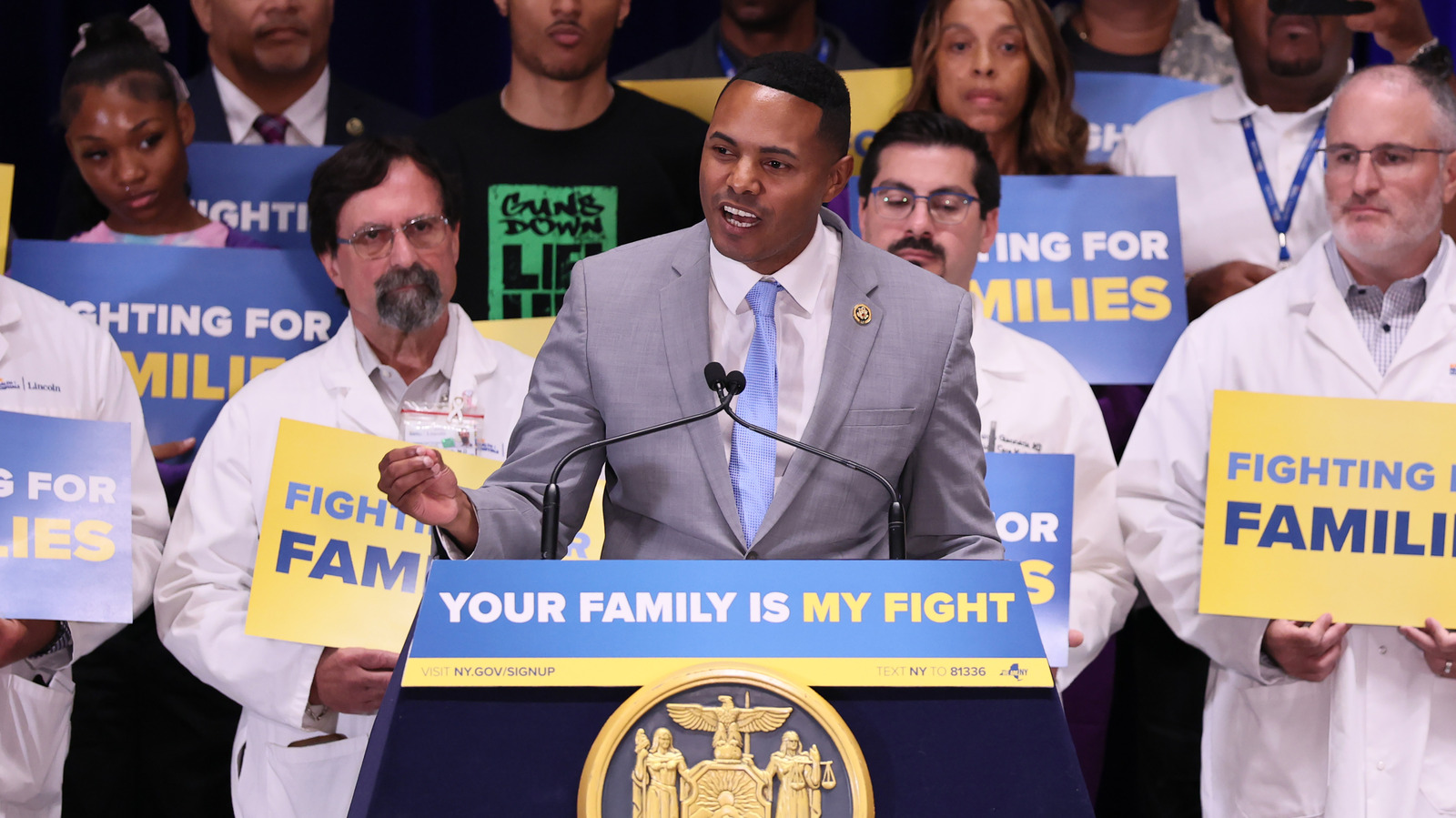
In a recent interview discussing the proposed legislation, Rep. Torres characterized the enforcement of these consumer protections not as a radical market intervention, but rather as a necessary restoration to the historical norm. He pointed out that before video games were predominantly sold and distributed through digital storefronts, physical media ensured that consumers retained permanent possession and uninterrupted access to the products they bought. Furthermore, Torres suggested that establishing these baseline protections for interactive entertainment could eventually inspire broader public and legislative calls for similar consumer rights to be extended to other forms of digital media, including digitally purchased books, movies, and music.
Despite the consumer-friendly intent behind the Power to the Players Act, several significant political and legal obstacles stand in the way of its eventual passage and enforcement. From a legislative standpoint, federal bills face notoriously difficult paths through committee reviews and floor votes, echoing the fate of a recent California state bill that sought to introduce similar consumer protections for online games before ultimately failing a crucial committee vote earlier in the year.
Compounding these legislative hurdles are profound structural changes in how federal agencies operate. Relying on the Federal Trade Commission to establish and enforce sweeping regulations for the video game industry is far less certain today than it was in previous years. Following a major 2024 Supreme Court decision to overturn Chevron deference—a foundational legal doctrine that previously required courts to defer to federal agencies’ reasonable interpretations of ambiguous statutory legislation—the FTC and other regulatory bodies now possess considerably less administrative power. Under this updated interpretation of the law, any attempts by the commission to unilaterally regulate the video game industry could face immediate legal challenges and be blocked by federal judges. This exact judicial skepticism recently thwarted other major federal regulatory efforts, such as the FTC’s ambitious ban on corporate noncompete clauses, which was blocked after a federal judge ruled that the commission lacked the broad statutory authority to institute such sweeping industry-wide rules.
In light of these complex judicial dynamics, industry observers and consumer advocates are watching closely to see how the proposed legislation will be drafted and whether it can navigate the shifting landscape of federal regulatory authority. Representatives from news organizations have reached out to Rep. Torres’ office to request a draft of the bill and to seek official commentary regarding the potential legal hurdles posed by post-Chevron judicial rulings, with updates expected should further information become available.
Related News