Discovering the Wonders of Milos: The Ultimate Greek Island Escape
Article Editorial Team
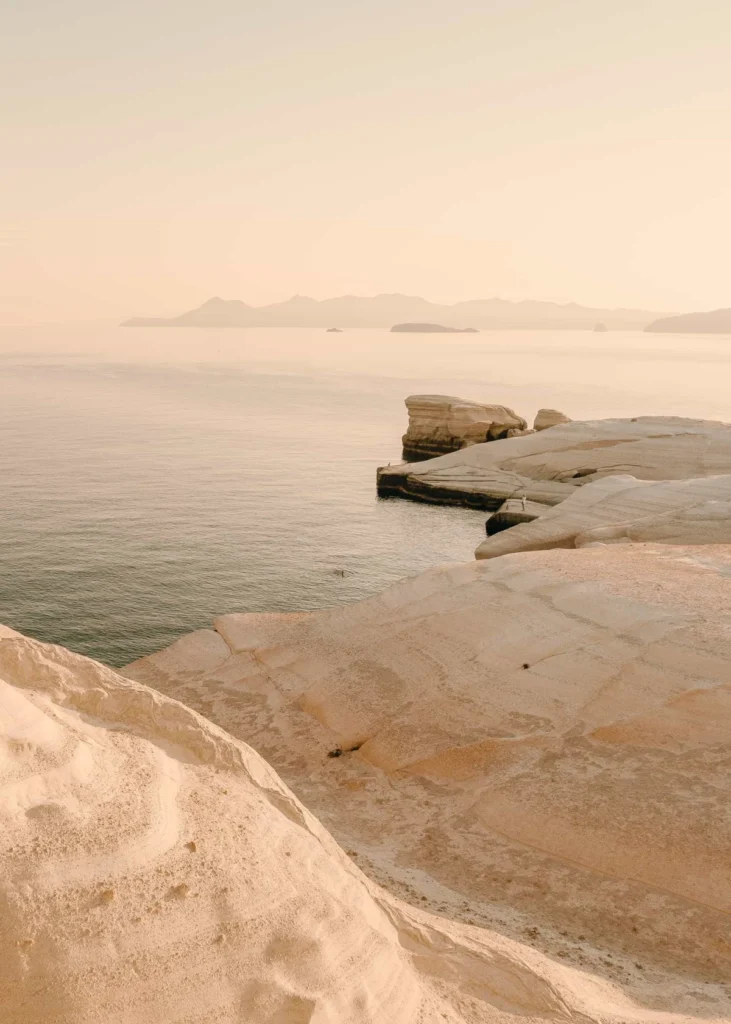
The Greek islands have long enchanted travelers from around the globe, but few destinations match the breathtaking and picturesque allure of Milos. For centuries, this volcanic masterpiece in the Aegean Sea has been a firm favorite among domestic travelers within Greece, and it is remarkably easy to understand why. Not only is the island utterly stunning, but it also boasts a wealth of natural wonders, historic sites, and coastal treasures dotted all across its remarkably compact landscape.

While Milos may not feature the bustling direct international flight schedules that travelers might expect from larger, more commercialized Greek islands, visitors should never let that logistical detail deter them. Reaching Milos is surprisingly straightforward. Travelers can easily board a high-speed ferry from neighboring islands such as Mykonos or Santorini, or catch a short, convenient connecting flight via Athens.

For those looking to make the most of an escape to this remarkable destination, understanding the island’s primary highlights allows visitors to focus entirely on enjoying the dramatic coastal scenery and extraordinary local cuisine.

1. Sarakiniko Beach
Nestled in the northern part of Milos and located just a short distance from Adamantas—the primary coastal harbor town where most ferries arrive—lies the otherworldly landscape of Sarakiniko Beach. While it is not quite within comfortable walking distance from the harbor due to the lack of dedicated pedestrian paths and the island’s hilly terrain, a local taxi or a rental car can transport visitors directly to the edge of the shore in under ten minutes.

What makes Sarakiniko Beach entirely unique is its dramatic, moon-like coastline. Rather than featuring a traditional expanse of golden or white sand, the shore is defined by smooth, gleaming white volcanic rock formations sculpted by wind and waves over millennia. It stands out as one of the most popular locations on the island for swimming, sunbathing, and spending a day immersed in nature.

Visitors planning a trip to Sarakiniko should keep two vital considerations in mind. First, the stark white rocks act as natural reflectors, meaning the summer UV rays are exceptionally strong and can cause sunburns much faster than a standard sandy beach. Ample sunscreen with a high SPF is essential. Second, because Sarakiniko is a natural geological formation rather than a commercialized resort beach, there are virtually no amenities on-site. Travelers must bring plenty of drinking water, snacks, towels, and other essentials before setting out.

For travelers seeking luxurious accommodations nearby, the Adamas area offers exceptional options such as the Thalassitra Private Pool Suites, which feature stunning spaces including a King Suite equipped with a private spa bath.

2. Milos Boat Tours
One of the most effective and immersive ways to experience the diverse beauty of Milos is from the water. Because much of the island’s most dramatic topography is entirely inaccessible by land, renting a small group or private boat tour with an experienced skipper has become a cornerstone of any visit. Compared to the steep pricing found on islands like Mykonos and Santorini, boat charters in Milos offer remarkable value.

A fully private boat tour accommodating up to eight guests allows travelers to spend a morning navigating the breathtaking waters around Kleftiko, cruising through the magnificent Sykia Cave, and exploring hidden stretches of the coastline. These excursions typically include multiple swimming stops in the warm, crystal-clear waters of the Aegean Sea, complemented by an onboard serving of traditional Greek cuisine and drinks during a six-hour journey. Because demand is exceptionally high during the summer peak months, booking these excursions well in advance of arrival is strongly recommended.

3. Plaka Town
Situated roughly a ten-minute drive inland from the coastal hub of Adamantas, the historic hilltop town of Plaka offers a tranquil contrast to the island’s bustling beaches. Plaka invites visitors to spend an hour or two wandering through its labyrinth of narrow, charming streets lined with traditional architecture.

Key cultural landmarks within the town include the iconic Panagia Korfiatissa church and the Panagia Thalassitra church, the latter of which can be admired from the heights of the Venetian Castle of Milos. Exploring the remnants of the Venetian fortress provides deep insight into the island’s multifaceted history, highlighting the various empires and cultural influences that once governed Milos.

When it comes to dining, Plaka offers exceptional culinary experiences. Vlahos is a celebrated local favorite for lunch, renowned for serving some of the finest souvlaki, grilled meats, and fresh fish in the area. For an evening meal, Kyra Milos provides wonderful alfresco dining paired with spectacular sunset views.

4. Mandrakia
Mandrakia is a minuscule, incredibly picturesque historic fishing village that captures the authentic soul of island life. Comprising just a few dozen traditional buildings huddled against the cliffs, Mandrakia sits conveniently close to Sarakiniko Beach, making it an ideal stop for a scenic afternoon stroll or a relaxing meal.

The village is famous for its centuries-old fishing harbor, where traditional boat garages known as syrmata—carved directly into the colorful rock faces with brightly painted doors—line the water. Dining options include Medusa Milos, a long-standing, independently run taverna overlooking the Aegean Sea that serves some of the region’s freshest grilled sea bass accompanied by genuine, warm hospitality.

5. Cave and Beach of Papafragas
Located along the rugged northern coast, Paralia Papafragkas offers a striking visual spectacle characterized by a tiny sandy cove enveloped by towering cliffs and translucent turquoise waters. While the physical beach area is extremely compact and can become crowded during peak tourist hours, the true draw of Papafragas lies in its dramatic coastal caves and geological formations, which allow for mesmerizing walks along the cliff edges.

For travelers seeking more spacious shorelines dedicated to swimming and sunbathing rather than coastal exploration, alternative locations like Pollonia Beach or the expansive Agia Kiriaki Beach on the southern coast offer ample room to relax by the shoreline. Luxury travelers seeking high-end accommodations near these northern coastal gems frequently choose properties like the Solus Suites Hotel in Adamas.

6. Firopotamos
Positioned a short distance up the coast from Mandrakia, Firopotamos is another quintessential seaside village defined by its historic character and scenic beauty. Accessible via the island’s well-maintained road network, the village features the charming Church of Agios Nikolaos and a collection of traditional whitewashed fishermen’s homes. A small, inviting beach and an adjoining beach bar provide visitors with the perfect setting for an afternoon swim followed by a refreshing iced coffee.

7. Klima Beach and Village
Located near the ancient theater of Milos, the seaside hamlet of Klima presents one of the most photographed waterfronts in the region. Rather than a commercial resort area, Klima is an authentic fishing village where two-story boat houses feature brightly painted doors and window frames opening directly onto the sea.

Visitors frequently stop to enjoy freshly prepared seafood at Astakas Café right on the water’s edge, paired with crisp local white wine. For dinner, driving a short distance up the mountain to Barriello offers refined dining experiences paired with sweeping panoramic views of the island at sunset, alongside exceptionally tender roasted lamb dishes.

8. Adamas (Adamantas)
As the primary maritime gateway to Milos, Adamas serves as the island’s bustling commercial and social hub. Visitors arriving by ferry are encouraged to spend time exploring the town’s vibrant waterfront promenade, cozy cafes, and nearby sandy expanses such as Lagada Beach.

Adamas is also home to celebrated culinary institutions like O! Hamos!, a immensely popular, family-run taverna celebrated for its authentic Greek dishes, handwritten menus, and charming garden courtyards where guests can spend hours enjoying homemade specialties. For those interested in the island’s geological heritage, the Milos Mining Museum showcases extensive archives and artifacts documenting centuries of mineral extraction. As evening falls, venues like Akri Bar offer artisan cocktails, including refreshing local specialties like the Night Cucumber cocktail, extending well into the night. Travelers seeking iconic accommodations close to both the harbor and Sarakiniko frequently opt for the distinctive Cave Suites Milos.

9. Kleftiko Bay and Sykia Cave
Kleftiko Bay represents one of the most visually stunning natural landmarks in the southern region of Milos. Characterized by white rock pillars rising abruptly from deep blue waters and a labyrinth of sea caves, Kleftiko is almost entirely inaccessible by foot, making boat tours essential for visitors wishing to navigate its hidden coves and swim in its pristine waters.

Nearby on the western coast lies the Sykia Cave, a massive geological formation featuring a collapsed roof that lets sunlight pour into a hidden internal beach. While adventurous and experienced hikers can attempt challenging mountain trails to reach certain western viewpoints, boat excursions remain the safest and most popular method for experiencing these remote natural treasures. Following a day on the water, travelers often dine at establishments like the Sirocco Volcanic Restaurant on the south coast, where meals are famously cooked utilizing the natural geothermal heat of the volcanic sand.

10. Tsigrado Beach
For travelers seeking absolute seclusion, Tsigrado Beach offers a remarkably private and hidden shoreline tucked between steep cliffs. Accessing the beach requires navigating a steep, somewhat precarious wooden ladder fixed into a narrow rock crevice, making it unsuitable for those with a fear of heights or limited mobility. Alternatively, boat tours and guided sea kayaking excursions allow visitors to access the tranquil shores from the water, providing a safer route to an otherwise isolated coastal haven.

11. Catacombs and Ancient Theatre of Milos
Milos holds a deep and significant historical footprint extending back nearly two millennia. The Catacombs of Milos, dating back to the early Christian era, serve as an extraordinary underground labyrinth and historical time capsule of the island’s ancient inhabitants. Situated nearby is the remarkably well-preserved Ancient Theatre of Milos, a Hellenistic monument later rebuilt by the Romans, which remains entirely free for the public to visit. While exploring these historical landmarks during the warmest hours of the day requires careful preparation—including hats, sturdy footwear, and ample water due to the lack of shade—they offer an invaluable window into the classical heritage of the Aegean.
Related News