Evolving B2B Marketing: How Visual Content and Platforms Like Shutterstock Shape Modern Campaigns
Article Editorial Team

The landscape of business-to-business (B2B) marketing has undergone a dramatic transformation in recent years, driven by shrinking attention spans and rising expectations among professional buyers. Today, companies are no longer just competing on the merit of their products or services; they are fiercely competing on how clearly and efficiently they can present those offers to an increasingly busy audience.
In this environment, visual content—especially dynamic video assets—has solidified its role as a fundamental pillar across all marketing channels. However, marketing teams quickly realize that not all content yields the same results. Understanding what resonates with professional decision-makers and leveraging comprehensive stock media platforms like Shutterstock has become essential for crafting campaigns that are both highly effective and operationally manageable.
How B2B Buyers Approach Content
Professionals operating within the B2B space rarely have the luxury of spending extended periods leisurely exploring marketing materials. Instead, they are typically consumed by the day-to-day pressure of solving specific operational or strategic issues. When they encounter promotional materials or educational resources, their goal is simple: they want to quickly ascertain whether the information is directly relevant to their current business challenges.
Because of this efficiency-driven mindset, content that performs successfully must prioritize clarity above all else. The primary objective of B2B visual communication is not necessarily to dazzle the viewer with complex artistic displays, but rather to communicate value with absolute transparency and speed. When prospective clients can grasp a concept within seconds, engagement rates climb, and the friction inherent in the early stages of the sales funnel begins to dissipate.

Common Traits of Effective Visual Content
Across a wide variety of marketing formats, distinct patterns frequently emerge in assets that outperform their competitors. Whether deployed in targeted digital advertising or integrated into broader email outreach, successful visuals share a common thread of immediate relevance. These underlying factors become exponentially more critical in paid advertising campaigns, where marketers operate under severe time constraints to capture a viewer’s drifting attention.
To meet this demand, platforms like Shutterstock provide the exact caliber of visual media required to build attention-grabbing, conversion-driven campaigns. By offering access to vast libraries of curated imagery and video, these platforms enable creative teams to bypass months of custom production work while still maintaining a high standard of professional presentation.
Adjusting Content for Different Platforms
Even when a marketing campaign relies on a consistent, core message, the way that content is packaged and presented must adapt dynamically depending on the distribution channel. What works seamlessly on a professional networking site like LinkedIn may fall flat when deployed within a fast-moving social media feed or a dedicated landing page.
Adapting visual assets to fit the specific architectural and behavioral norms of each digital space can make a monumental difference in campaign performance. Modern audiences expect content tailored to their viewing habits—whether that means horizontal cinematic formats for desktop browsing or immersive vertical video setups optimized for mobile devices. Navigating these platform-specific nuances efficiently requires a steady influx of adaptable media assets.

The Challenge of Producing Content Regularly
Despite the recognized importance of maintaining a steady stream of fresh campaigns, many marketing departments struggle relentlessly to keep up with the sheer volume of content demanded by modern digital ecosystems. Creating every single asset from scratch requires an immense investment of time, specialized talent, and financial resources—luxuries that are frequently unavailable in fast-paced corporate environments.
While custom production retains an important place in overarching marketing strategies, it often introduces bottlenecks. These can include lengthy pre-production planning, complex scheduling for video shoots, unexpected revisions, and significant talent costs. To alleviate this operational pressure, an increasing number of organizations are integrating pre-made visual assets into their workflows, utilizing platforms like Shutterstock to streamline the creation and adjustment of multi-channel campaigns without sacrificing quality.
Avoiding Delays Related to Usage Rights
Beyond the sheer logistical hurdles of asset creation, marketing teams frequently encounter operational roadblocks stemming from uncertainty surrounding copyright and usage permissions. When creative professionals are unsure about the legal boundaries of how a specific image, graphic, or video clip can be deployed, campaigns can grind to a complete halt while legal departments review licensing agreements.
If teams navigate these gray areas poorly, they risk severe compliance issues, forced retractions of marketing materials, or costly legal disputes. Working exclusively with media providers that offer explicit, clearly defined licensing terms eliminates this ambiguity entirely. Shutterstock’s transparent licensing frameworks help organizations sidestep these potential pitfalls, ensuring that projects maintain forward momentum from the initial brainstorming phase straight through to final deployment.
Why Realistic Content Matters More Now
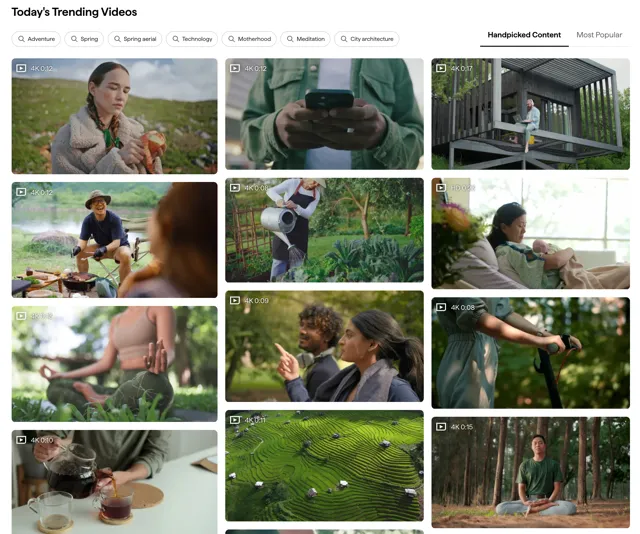
A notable evolution in contemporary visual marketing is the gradual shift away from overly stylized, artificial-looking media and toward more natural, authentic visuals. In recent times, as digital spaces have become saturated with synthetic imagery and hyper-polished corporate stock photos, audiences have developed a distinct preference for content that feels grounded, familiar, and believable.
This hunger for authenticity stems from a broader fatigue with manufactured perfection. Modern B2B buyers respond far better to media that reflects genuine human experiences and realistic workplace scenarios. When visual assets mirror reality rather than idealized perfection, they build immediate trust and establish a deeper emotional connection with the viewer. For B2B communication—where establishing credibility is paramount—this shift toward realism can have a profound impact on brand perception and lead generation.
A More Practical Approach to B2B Content
Faced with mounting pressure to deliver continuous results with lean teams, modern marketers are increasingly abandoning the pursuit of pristine, hyper-produced outputs for every single initiative. Instead, they are adopting a more pragmatic approach centered on utility, speed, and overall manageability.
This operational philosophy focuses on deploying assets that are versatile, easily adaptable, and directly aligned with the specific informational needs of the target audience. By relying on comprehensive, ready-made visual resources from platforms like Shutterstock, marketing departments can successfully support this practical methodology. It empowers teams to bridge the gap between initial strategic concepts and final market execution rapidly, ensuring that campaigns remain agile and effective in a competitive commercial landscape.
Related News