Riot Will Sunset League Of Legends Classic In January 2027
Article Editorial Team
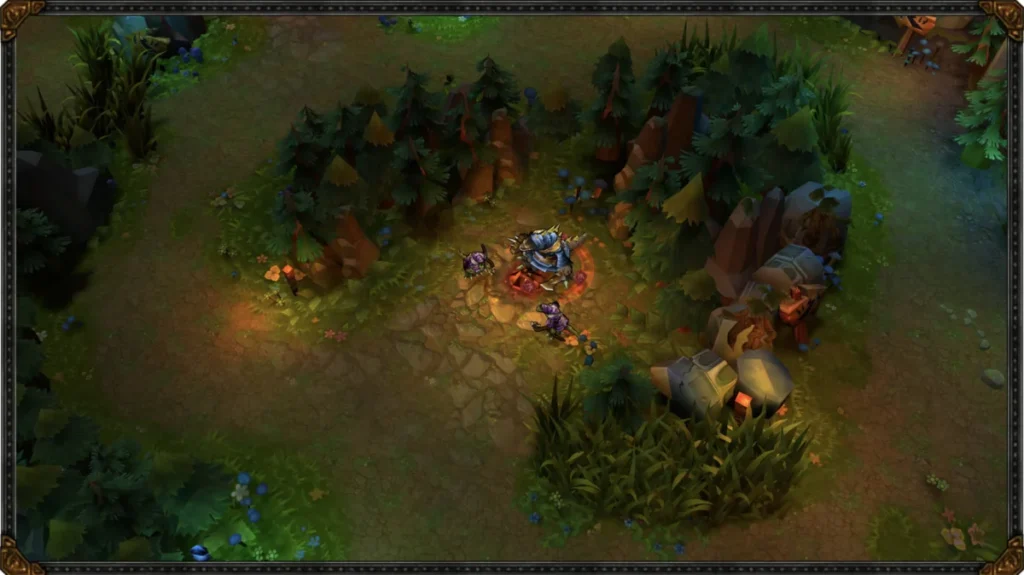
The decision marks a swift conclusion to an initiative that was heavily promoted by the studio as a bridge between the game’s current state and its historical roots. Despite considerable initial excitement and a high-profile rollout, the developer team noted that interest in the throwback mode waned relatively quickly following its launch. Many players ultimately gravitated back to the modern, continuously updated parts of the live game rather than maintaining long-term engagement with the historical snapshot.
In an official development update published on the game’s website, Riot Games addressed the performance and future of League Classic. The studio explained that while the mode successfully attracted curious veterans and nostalgic fans at first, the sustained player retention required to support a permanent, parallel version of the game simply did not materialize in the way the developers had hoped. Instead of maintaining standard permanent queues indefinitely, Riot has outlined a timeline for the remainder of the mode’s lifecycle, which includes minor adjustments to improve the experience for those still playing before the ultimate shutdown in January 2027.
During the interim period leading up to the final sunset, Riot plans to introduce windowed queues for League Classic in specific regions where a smaller active player base has resulted in frustratingly long wait times for matches. By implementing these windowed queues, the studio hopes to concentrate player activity into more active time slots, thereby smoothing out matchmaking and reducing queue times for regional communities. Additionally, the development team confirmed that it will continue to add more champions to the Classic pool during the remaining patches and updates planned throughout 2026, ensuring that the roster available in the throwback environment continues to evolve slightly up until the mode is temporarily retired.
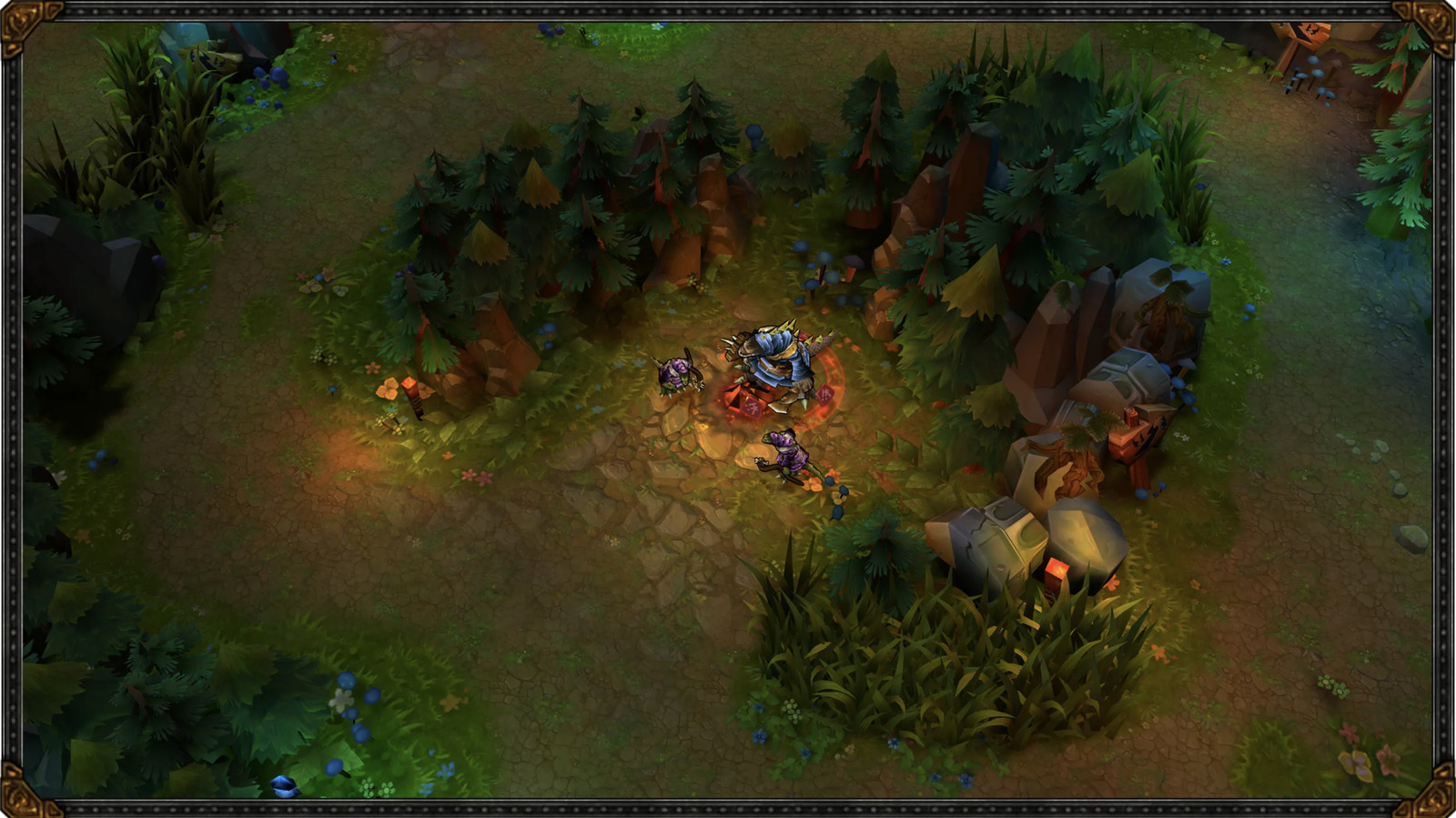
Rather than completely abandoning all the technical groundwork and creative effort that went into reconstructing bygone eras of League of Legends, Riot Games indicated that the concept of a retro mode is not entirely dead. The studio expressed an intention to bring back League Classic in the future, framing its eventual return likely as a limited-time event mode. According to the development team, any future iterations would benefit from significant adjustments and gameplay additions informed directly by player feedback gathered during this inaugural run. By pivoting the mode from a permanent fixture to a periodic, special event, Riot hopes to capture the intense burst of enthusiasm and novelty that characterized the initial launch without suffering from the long-term player fatigue that ultimately led to dwindling interest.
The journey of League Classic began with significant fanfare and industry anticipation. Riot Games had been hyping up the throwback mode extensively since its initial announcement, building momentum through various promotional campaigns and community showcases. One of the most notable promotional events occurred this summer at the Mid-Season Invitational tournament, where Riot hosted a live show match featuring ten retired professional players facing off on the historical build of the game. This high-profile exhibition was designed to evoke deep nostalgia and celebrate the rich history of the competitive scene, drawing cheers from both live attendees and digital viewers streaming the event worldwide.
The strategy of turning back the clock on an ever-adapting live service game is not entirely unprecedented within the broader gaming industry. Over the past several years, other major studios have experimented with parallel retro versions of their flagship titles to appeal simultaneously to fresh demographics of modern gamers and veteran players seeking to relive earlier memories. The most prominent and successful example of this approach is Blizzard Entertainment’s World of Warcraft Classic, which launched several years ago and successfully carved out a massive, enduring player base by meticulously recreating older expansions and historical states of the long-running massively multiplayer online role-playing game.
However, the relative success of retro offerings in the MMORPG space appears difficult to directly replicate within the fiercely competitive, fast-paced environment of the MOBA genre. While World of Warcraft Classic offered a sprawling, persistent virtual world centered around progression and community socialization, a competitive multiplayer game like League of Legends relies heavily on constant balance adjustments, mechanical refinements, modern quality-of-life improvements, and a continually expanding roster of characters to sustain its competitive ecosystem. Striking the right balance between honoring historical nostalgia and maintaining engaging, long-term gameplay loops has proven to be a complex challenge. For Riot Games, the experiment with League Classic demonstrated that while nostalgia is a powerful motivator for short-term engagement and celebratory events, sustaining a separate, historically frozen version of a modern live-service game alongside its primary, evolving counterpart requires a delicate equilibrium that the studio ultimately felt it had not yet fully mastered for the long haul.
Related News