Delta Air Lines Shifts Long-Haul Strategy as Premium Ticket Revenue Overtakes Main Cabin Sales
Article Editorial Team
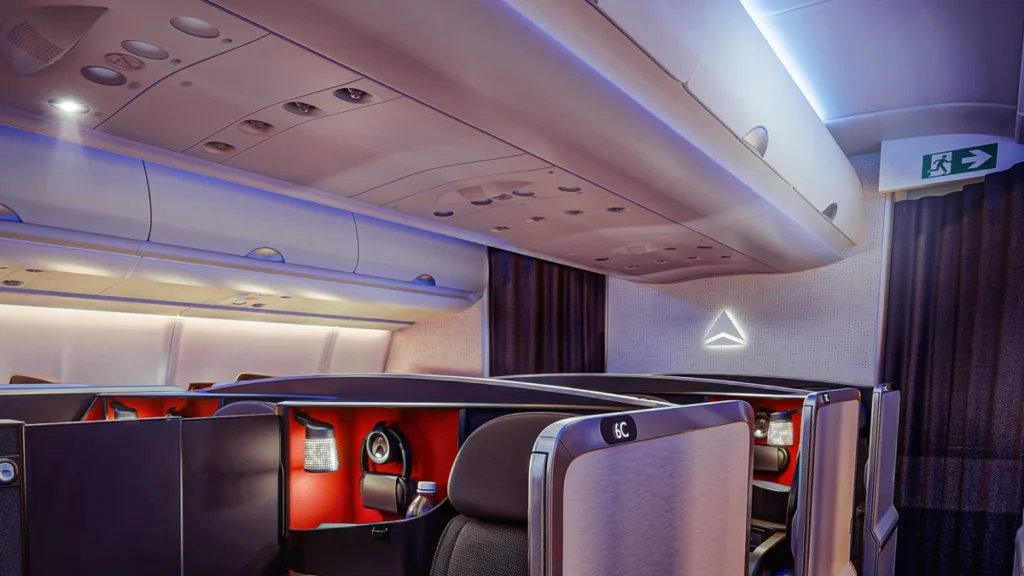
Delta Air Lines is preparing to introduce a widebody aircraft that deeply reflects its changing business model and evolving market priorities. The upcoming Airbus A350-1000 will feature an impressive 101 premium seats, consisting of 53 next-generation business-class suites and 48 premium economy seats, giving front-of-cabin passengers far more prominence than on a conventional long-haul configuration. The surprising part of this fleet decision is what it says about the airline’s broader priorities and how it approaches international route economics.
For years, filling economy cabins was central to long-haul flight profitability, with premium seats serving as a valuable supplement to the revenue generated at the back of the aircraft. However, Delta’s latest financial results suggest that balance is shifting permanently. With premium ticket revenue overtaking Main Cabin revenue for the first time in the second quarter of 2026, CEO Ed Bastian and his leadership team have a powerful financial incentive to rethink the traditional widebody cabin layout. The question now is how the A350-1000 will turn that strategy into a lasting competitive advantage, and what it means for the passengers who will continue to occupy the remaining economy seats.
Why Delta’s A350-1000 Is Different From A Conventional Long-Haul Aircraft
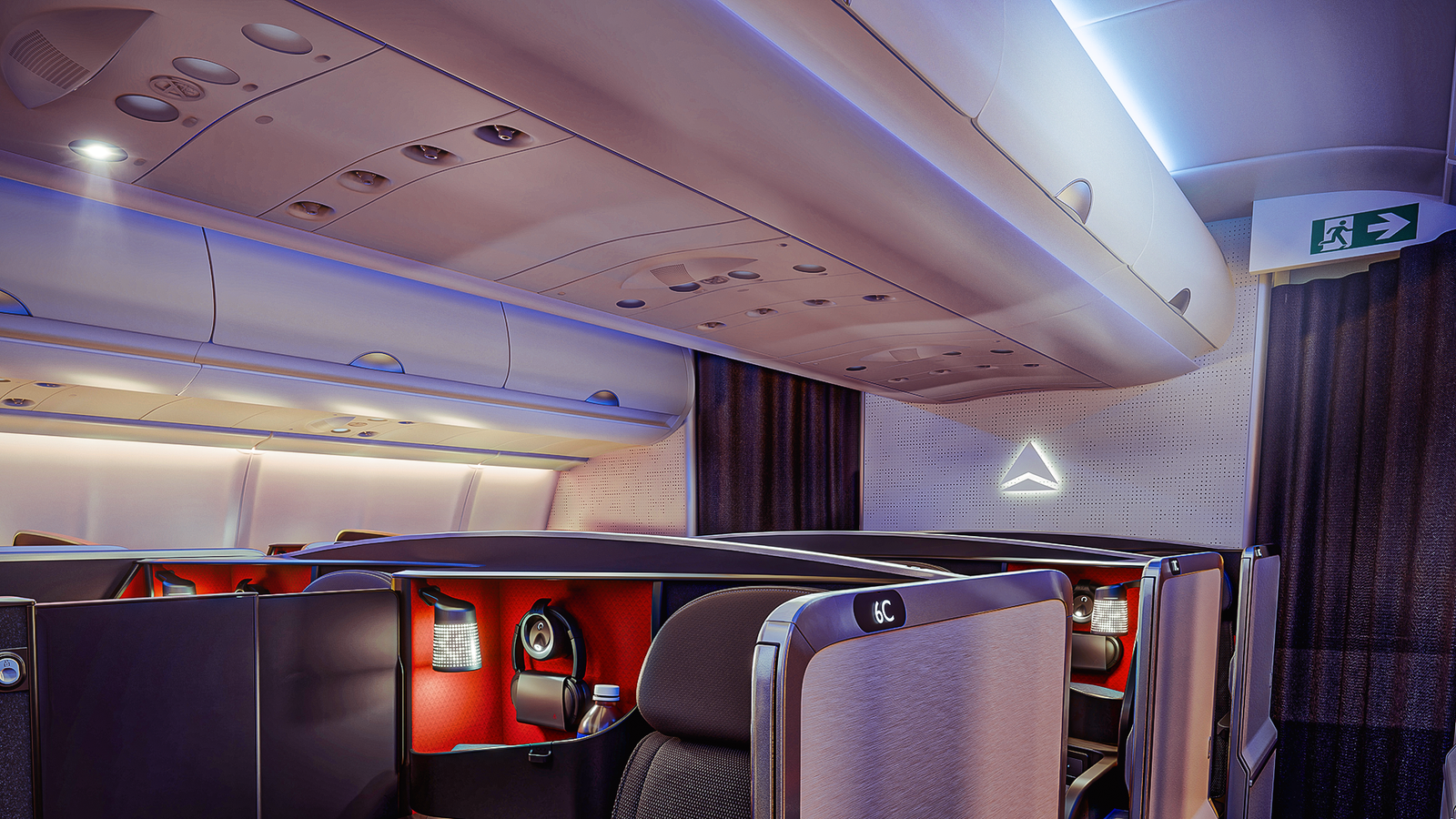
The answer begins with Delta’s decision to make the Airbus A350-1000 its most premium-focused aircraft to date. The airline unveiled its next-generation Delta One suite in April 2026, confirming that the new widebody would deliver a substantially upgraded business-class experience alongside a redesigned premium economy cabin. The aircraft is expected to begin arriving in 2027, making it an essential component of Delta’s next phase of international fleet development and long-haul network expansion.
The planned configuration includes 53 Delta One suites and 48 Premium Select seats, giving it 101 seats across those two dedicated premium cabins. That represents a significant commitment to higher-priced travel, particularly when compared with Delta’s existing A350-900s, which feature 32 Delta One seats and 48 Premium Select seats in their standard configuration. As a result, the A350-1000 will offer 21 more business-class suites than the A350-900, marking an increase of about 66% in top-tier capacity.
However, an important distinction exists between the 101 seats in the two primary premium cabins and the airline’s broader definition of premium seating. Delta has also highlighted Delta Comfort as part of the A350-1000’s overall premium mix, bringing the proportion of seats categorized as premium to approximately 50% of the aircraft. The aircraft will still carry a substantial economy cabin, meaning the change does not eliminate affordable seating altogether. Instead, Delta is allocating more of its physical aircraft space to products that command higher fares and encourage customers to spend more on each journey.

Premium Ticket Revenue Has Finally Overtaken Main Cabin
Delta’s second-quarter 2026 financial results provide the clearest explanation for this strategic pivot. In the three months ended June 30, premium ticket revenue reached $6.92 billion, climbing past the $6.85 billion generated by Main Cabin tickets. While the numerical difference was relatively narrow at about $69 million, the milestone was historically significant because premium ticket sales overtook Main Cabin ticket sales for the first time in the airline’s history. According to company financial reports, premium ticket revenue increased by 17% year over year, compared with more modest 8% growth in Main Cabin ticket sales.
However, Delta’s broader financial picture extends well beyond ticket sales alone. The airline reported that diversified revenue streams accounted for 61% of total revenue in the quarter, up two percentage points from a year earlier. That diverse category includes premium products and other vital sources such as loyalty programs, cargo operations, and maintenance, repair, and overhaul services. While it would be inaccurate to interpret the 61% figure as premium ticket revenue alone, it demonstrates just how much Delta’s overall financial health now depends on business lines beyond conventional economy fares.
The company is also benefiting from exceptionally strong corporate demand. Delta reported that premium corporate sales rose by more than 25%, with targeted investments in Delta Comfort and Premium Select driving much of that growth. For the A350-1000, this creates a compelling commercial opportunity. The aircraft can effortlessly serve corporate and affluent leisure travelers willing to pay for privacy, space, and a lie-flat bed, while simultaneously offering a more comfortable alternative to standard economy for travelers who do not require a business-class suite.

Delta Is Choosing Higher Yields Over Main Cabin Seat Growth
Delta’s overarching strategy focuses much more on each individual seat’s yield value than on simply maximizing the sheer number of economy seats it can sell. CEO Ed Bastian and Chief Commercial Officer Joe Esposito have repeatedly stated that the airline intends to prioritize high-yield premium demand rather than continuing to expand Main Cabin capacity as its primary growth engine. Their comments reflect a wider industry effort to move away from competing primarily on the lowest available fare in crowded markets.
That strategic shift does not mean Delta is abandoning economy passengers entirely. Its Main Cabin revenue still increased year over year, and the company continues to sell hundreds of economy seats on every widebody departure. Instead, the company is placing greater emphasis on its seat mix, the fare yields those seats can generate, and the ancillary spending they encourage. A premium seat can generate substantially more revenue than a standard economy seat, though the actual financial difference depends heavily on the specific route, seasonal demand fluctuations, and the operational cost of providing the service.
These economic considerations matter most when operating expenses rise across the aviation sector. Delta reported an adjusted fuel price of $3.93 per gallon in the June quarter, up 75% from a year earlier, while adjusted fuel expenses surged 77%. Those figures illustrate precisely why major airlines have an incentive to extract higher revenue from their available capacity. While higher airfares cannot automatically offset every sudden increase in fuel, labor, or aircraft acquisition costs, stronger premium yields help protect profit margins against external shocks.
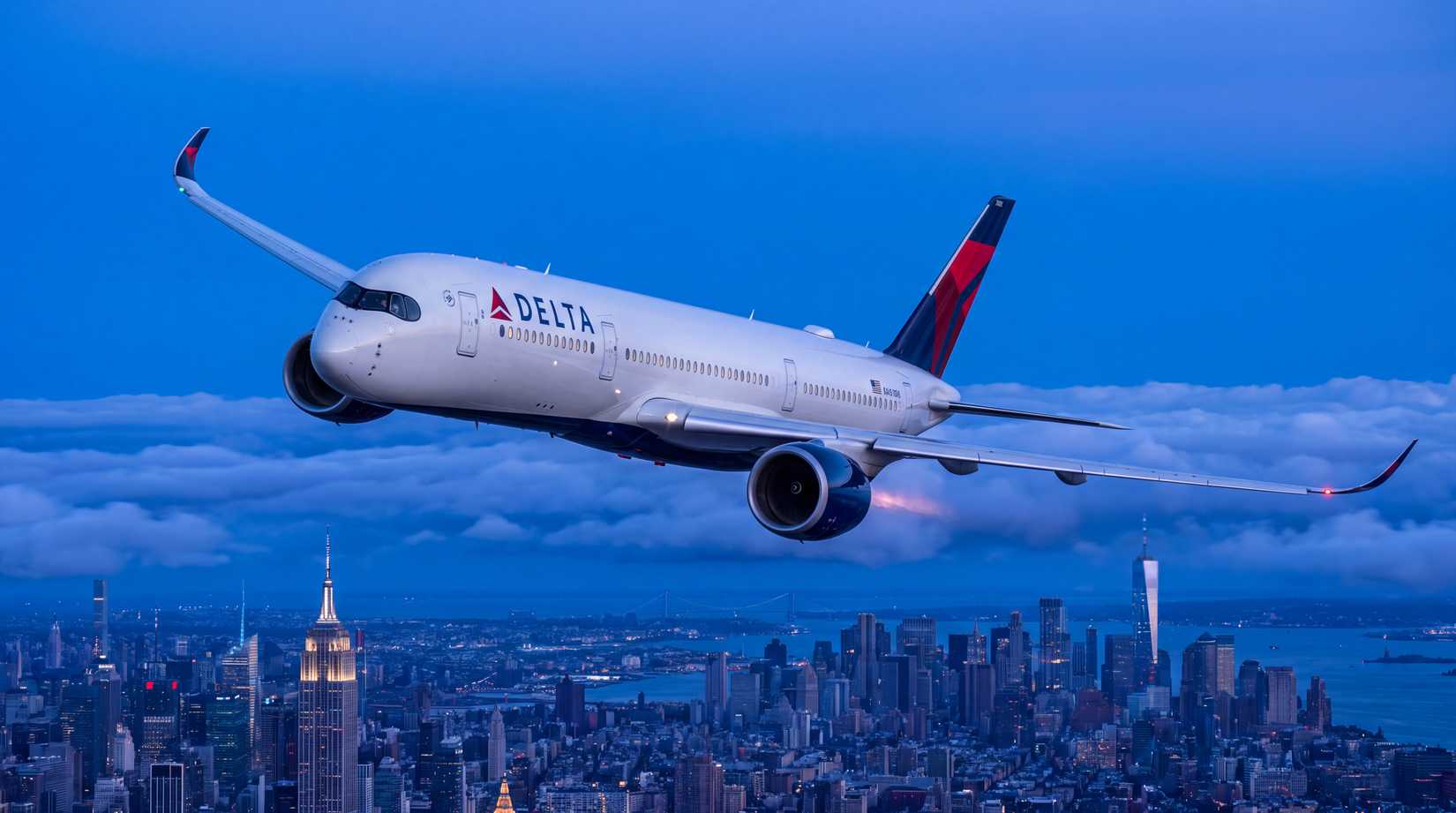
For the A350-1000, the decision goes far beyond cabin aesthetics or seat counts. Delta is investing in an aircraft that concentrates more of its business-class capacity into private suites while expanding its premium economy footprint. That configuration could prove particularly attractive on long-haul routes where corporate travelers, affluent leisure passengers, and loyalty program members generate consistent demand for higher-priced products.
The A350-1000 Is Only One Part Of Delta’s Premium Overhaul
Because Delta is simultaneously investing in both new and existing aircraft, the A350-1000 will not be the only widebody in the fleet offering an upgraded business-class experience. Delta has previously ordered 30 Boeing 787-10s featuring a similarly premium-heavy cabin layout. Regarding its existing fleet, the airline announced an extensive program costing more than $1 billion to refresh its cabins, including comprehensive upgrade work on 42 Airbus A330-200 and A330-300 aircraft.
These refreshed A330s will receive Delta One suites featuring privacy doors alongside cabin-wide updates. Furthermore, every single seat on the refurbished A330s and the new A350-1000s will be equipped with larger seatback screens, Bluetooth audio connectivity, USB-C charging ports, and universal power outlets. This initiative is part of a broader fleet-wide product strategy. A passenger flying on a modernized A330 will experience a more consistent premium environment, even if that specific aircraft does not share the exact configuration of the A350-1000. Delta expects more than 800 aircraft to receive its modern interiors over a multi-year period, giving the program a much wider reach across the network than the introduction of the new A350 variant alone.
The business-class seat remains central to that capital investment. Delta developed its next-generation Delta One suite through an extensive two-year design process informed by a decade of direct customer and employee feedback. Privacy doors are intended to give passengers a fully enclosed personal sanctuary, while improved high-definition screens and advanced charging options address modern expectations that have become mandatory on ultra-long-haul journeys.
Why American Express And SkyMiles Are Central To The Aircraft’s Economics
Delta’s overarching premium strategy extends well beyond the physical aircraft and onboard cabins. Its highly lucrative relationship with American Express generates substantial revenue through their co-branded credit card partnership, allowing the airline to earn significant income even when consumers are not actively purchasing flights. In 2025, American Express remuneration reached $8.2 billion, up 11% from the previous year, and Delta has established a long-term target of approaching $9 billion in remuneration.
That reliable income stream significantly strengthens the airline’s financial capacity to invest heavily in premium cabins, proprietary airport lounges, and enhanced onboard amenities. It also provides Delta with more touchpoints to build enduring customer relationships through the SkyMiles program, credit card benefits, and everyday travel-related spending. The core connection is not that every credit card holder will purchase an expensive Delta One suite, but rather that the airline has constructed an integrated ecosystem where loyalty engagement and premium travel reinforce one another.
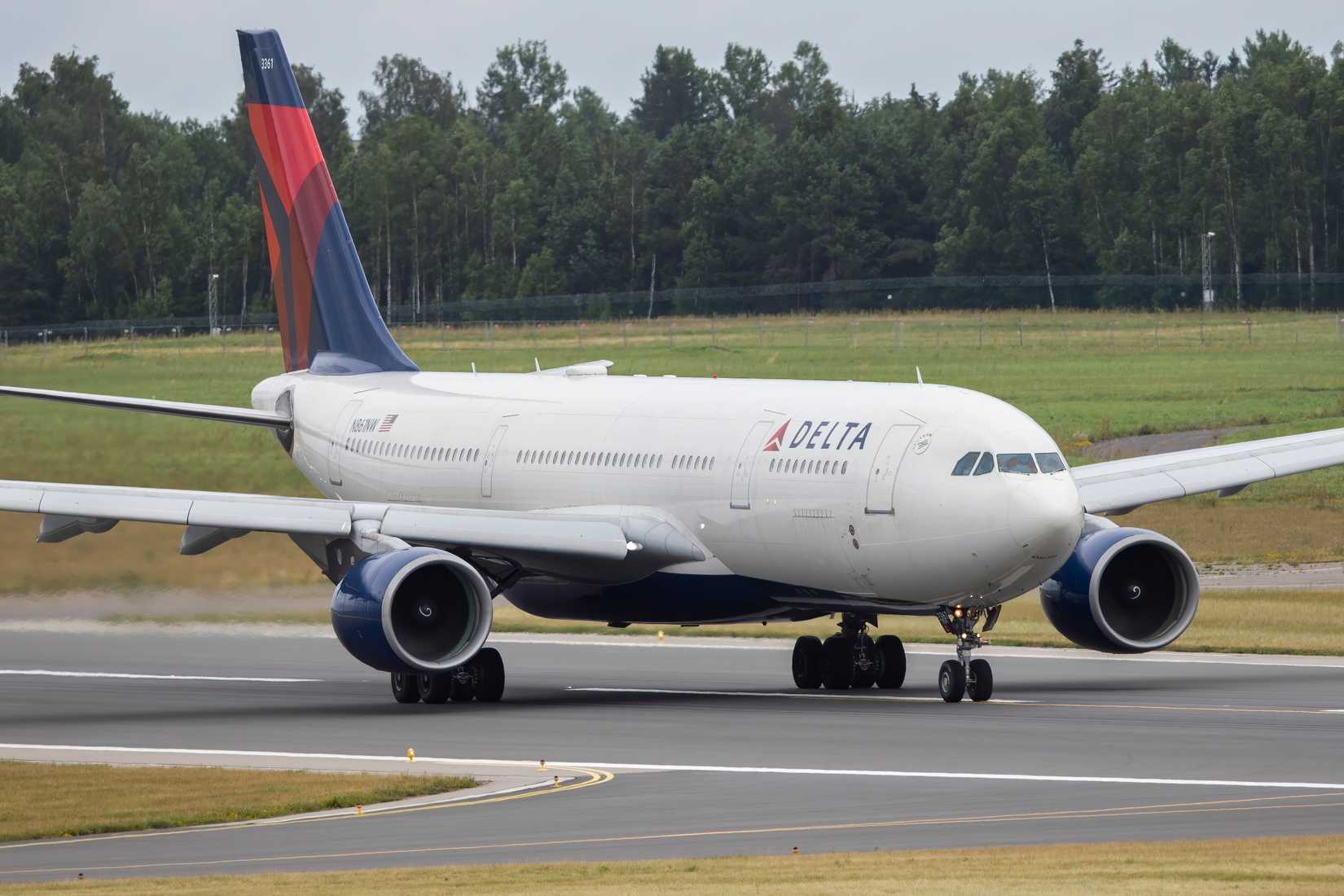
The A350-1000 fits neatly into this ecosystem by offering a highly differentiated product for customers who place a premium on personal comfort. Premium passengers may pay cash fares for a lie-flat bed, a private suite, and lounge access, while frequent flyers can utilize accumulated miles or upgrade certificates to enhance their experience. Premium Economy gives Delta yet another flexible option for customers who desire substantially more space and comfort without paying business-class prices.
Delta’s A350-1000 Will Test How Far Premium-First Flying Can Go
The arrival of the Airbus A350-1000 represents a strategic, long-term bet that Delta can generate superior financial returns by elevating the value of its passenger offerings rather than continually expanding the raw number of economy seats it operates. That approach is most impactful on competitive long-haul routes, where business-class suites and premium economy cabins support a highly differentiated product while the aircraft continues to carry passengers on varied fare classes. The new configuration does not eliminate economy travel, but it firmly places premium cabins at the absolute center of the aircraft’s commercial proposition.
Still, this ambitious strategy carries inherent risks. Premium demand can shift rapidly alongside corporate travel budgets, macroeconomic conditions, and aggressive competition from rival global carriers. A more expensive, premium-heavy cabin requires consistent demand across all travel seasons, and no amount of cabin refinement can completely insulate an airline if premium fares face downward pressure. Delta’s second-quarter financial results underscore the ongoing pressure: despite robust revenue growth, adjusted fuel expenses rose sharply, demonstrating how external operating costs can erode the benefits of stronger ticket sales.
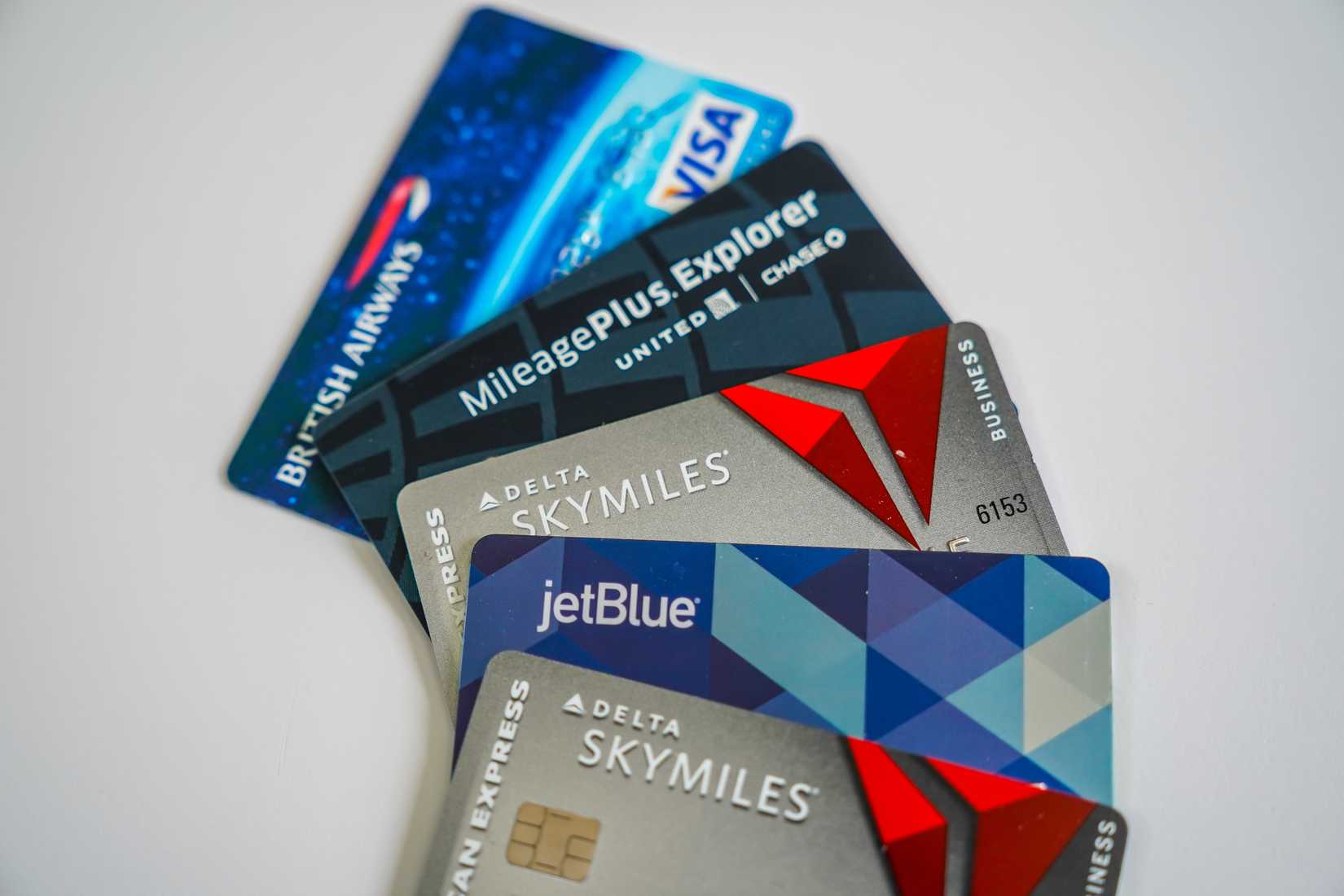
The aircraft’s anticipated entry into service will mark a significant fleet milestone and provide a practical test of whether Delta can successfully translate its premium-revenue lead into sustained, long-term returns on a new generation of widebody aircraft. The airline has already demonstrated that premium tickets can generate more revenue than Main Cabin tickets during a single quarter. The ultimate challenge ahead is to prove that a premium-focused cabin strategy can deliver that same commercial advantage consistently over the operational life of the aircraft.
Related News