National Audubon Society Secures $4 Million Grant to Bolster Grassland Resilience Across the Great Plains
Article Editorial Team
The National Audubon Society has been awarded nearly $4 million in funding from the National Fish and Wildlife Foundation (NFWF) under its Grassland Resilience and Conservation Initiative (GRACI). This significant financial investment marks a pivotal moment in the ongoing effort to protect and restore North America’s most imperiled ecosystem: the vast, interconnected grasslands of the central continent. The grant serves as both a recognition of the accelerating crisis of grassland loss and a validation of the science-backed conservation strategies that the Audubon Society and its network of regional partners have been diligently refining for years.
Grasslands are often overlooked in the broader conversation regarding climate change and biodiversity, yet they are among the most threatened habitats on the planet. From the northern reaches of the Dakotas down to the arid landscapes of Texas and Arizona, these ecosystems are essential to the health of the continent. They provide critical habitat for migratory birds, act as massive carbon sinks, and serve as the foundation for the livelihoods of thousands of ranchers and agricultural producers. The $4 million injection of capital will empower the Audubon Society to scale its operations across 13 states, providing a much-needed lifeline to a landscape currently facing unprecedented pressure.
The urgency of this initiative cannot be overstated. Throughout the central grasslands, intact prairies are rapidly disappearing. The drivers of this degradation are multifaceted: the conversion of wild land into intensive crop production, the encroachment of invasive woody species that choke out native grasses, and land-use practices that, while sometimes necessary, are often incompatible with the long-term ecological health of the region. As these diverse ecosystems shrink, the species that rely on them—particularly grassland-dependent birds—see their populations plummet. By providing financial resources and technical expertise, the Audubon Society aims to shift the trajectory of these lands, transforming them into resilient strongholds for biodiversity.
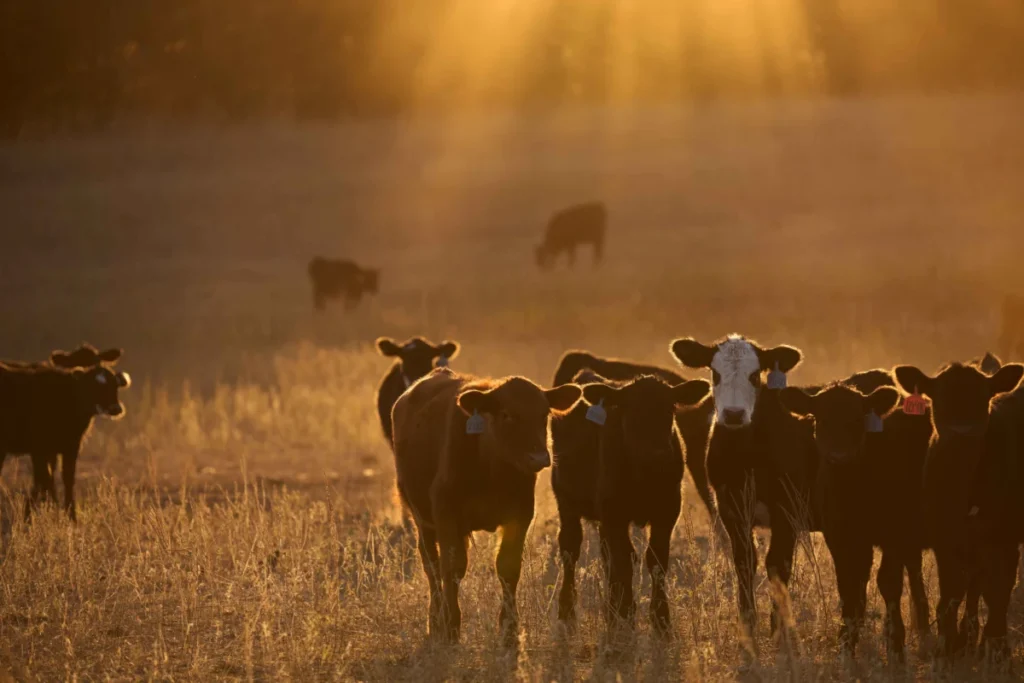
Central to this expansion is the Audubon Conservation Ranching program, a flagship initiative that bridges the gap between commercial ranching and environmental stewardship. The program works on the premise that healthy grasslands and profitable, sustainable ranching operations are not mutually exclusive; rather, they are deeply interdependent. By working directly with producers, Audubon helps implement regenerative grazing practices that mimic the natural disturbances once caused by massive bison herds. These practices encourage native grass growth, improve soil carbon sequestration, and enhance water infiltration, effectively turning working ranches into vital conservation sites.
The GRACI grant will allow Audubon to significantly broaden the scope of this program, reaching both existing partners and new ranchers who have expressed interest in transitioning to more sustainable management techniques. For the ranchers, the program offers a pathway to stabilize their operations. Many producers are deeply committed to the long-term health of their land, viewing themselves as stewards for future generations. However, the economic pressures of modern agriculture often leave little room for the operational changes required to foster deep ecological health. The financial support provided by this grant, coupled with technical guidance, ensures that conservation does not come at the expense of a rancher’s livelihood.
A key component of this project is a strategic partnership with Cultivo, an organization specializing in financial innovation for environmental impact. Through this collaboration, the project will introduce an innovative mechanism for direct payments to producers. These payments are not merely subsidies; they are incentives for the implementation of concrete conservation plans. By providing direct per-acre payments to ranchers who commit to specific regenerative grazing practices, the partnership ensures that stewardship is recognized as a valuable economic activity. This creates a foundational layer of financial security that allows producers to take the risks associated with changing their grazing systems, confident that their efforts to improve soil health and habitat will be rewarded.
Beyond the immediate financial support for ranchers, the initiative places a heavy emphasis on data-driven outcomes. Conservation is only as effective as the monitoring that tracks its success. In the past, the challenge for large-scale grassland restoration has been the difficulty of measuring progress across vast, remote, and geographically diverse landscapes. The partnership with Cultivo will enable Audubon to deploy sophisticated, science-driven monitoring tools that provide measurable data on key indicators of grassland health. This includes tracking the presence and diversity of grassland bird species, the density and quality of root systems that dictate soil health, the retention of water within the landscape, and the overall climate resilience of the treated acreage.
By utilizing these metrics, Audubon will be able to demonstrate the tangible benefits of their efforts. These data points are essential for building a long-term case for grassland conservation, providing evidence that targeted, regenerative land management can produce measurable ecological returns. As the project expands across the 13-state region, the ability to show that a specific change in grazing intensity leads to a measurable increase in bird nesting success or carbon storage will be instrumental in attracting further investment and support.
The scope of this initiative reflects the geographic scale of the American grasslands. From the high-latitude prairies of North Dakota to the arid, sun-drenched plains of the Southwest, the challenges vary, but the fundamental need for resilience remains the same. In the north, the focus may center on managing encroachment of shrubs and trees into native prairie, while in the southern reaches, the emphasis might shift toward drought mitigation and the restoration of degraded rangeland. The flexibility of the Audubon Great Plains team, supported by this new funding, allows for regional nuances in how conservation strategies are applied.
For the Audubon Great Plains organization, this award is more than just a line item in a budget; it is a catalyst for regional transformation. The funding will bolster the staff and resources necessary to maintain strong relationships with landowners, who are the primary actors in this conservation story. Without the willingness of ranchers to open their gates and participate in these programs, large-scale conservation would be impossible. By strengthening these partnerships, Audubon ensures that the knowledge transfer—from scientists to producers—is continuous and collaborative.
The impact of this work extends far beyond the fences of individual ranches. Grasslands are public goods; they provide the clean water, stable climate, and migratory corridors that benefit society as a whole. When a rancher implements a grazing plan that keeps carbon in the soil or prevents erosion, the surrounding communities benefit. When habitat is preserved for grassland birds, it preserves a piece of the natural heritage that has defined the central United States for centuries.
Ultimately, this initiative is about legacy. The Audubon Society and its partners recognize that they are acting on behalf of future generations—both of people and of the avian populations that rely on these ecosystems. The birds that journey through the Great Plains each spring and fall depend on these lands for their survival. If the grasslands disappear, the migratory flyways that connect the continent will be irrevocably broken. By securing the landscape today, Audubon is ensuring that these natural systems remain functional and vibrant for those who will inherit them.
The $4 million grant from the National Fish and Wildlife Foundation serves as a vital injection of momentum, but it is also a signal that the broader conservation community recognizes the critical importance of the Great Plains. As the work begins to scale, the focus will remain on the intersection of human enterprise and ecological integrity. By proving that ranchers can be the primary agents of restoration, the National Audubon Society is setting a standard for what modern conservation looks like: a blend of rigorous science, financial innovation, and a deep, enduring respect for the people who work the land. The road ahead for the grasslands is complex, but with the support of the GRACI initiative, the path toward a more resilient and biodiverse future is clearer than it has been in decades.
Related News