London Unveiled: A Comprehensive Tour of the Capital’s Finest Walking Routes from Landmarks to Green Spaces
Article Editorial Team
London remains one of the world’s most dynamic and endlessly fascinating destinations for both international visitors and longtime residents. Boasting an extraordinary array of historic royal palaces, world-class cultural institutions, diverse neighborhoods, and architectural marvels, the British capital offers an environment that many agree is best experienced entirely on foot. To help travelers navigate the sprawling metropolis, travel experts and urban explorers have compiled a definitive collection of the finest walking routes across the city, blending iconic central landmarks with unique hidden gems, leafy green spaces, and scenic waterways.

Over years of traversing the urban landscape, explorers have found that there are few activities more rewarding than strolling through the city at a leisurely pace, taking time to pause for a meal, a warm drink, or a refreshing beverage along the way. Because attempting to conquer the entire city in a single day is an exhausting endeavor, these curated walking routes are designed to be enjoyed in manageable sections, allowing visitors to tailor their itineraries to the specific areas they are exploring. Free digital mapping resources and downloadable guides accompany many of these journeys to help pedestrians navigate each route with ease.

1. The London Landmark Route
For travelers hoping to witness the capital’s most famous sights in a single comprehensive journey, a specially devised landmark route offers an exceptional overview of central and western London. Starting in West London, the journey begins at Kensington Palace before leading pedestrians through the serene expanse of Hyde Park toward the Albert Memorial and the magnificent Royal Albert Hall, where visitors can arrange an advance tour or attend a live performance.

Continuing eastward, the route passes near the sprawling Natural History Museum and the Victoria and Albert Museum—both of which merit extensive visits on their own—before reaching the prestigious Harrods department store in Knightsbridge and the historic Wellington Arch. A subsequent leg of the journey takes walkers from the arch down to Buckingham Palace, along The Mall, and into Trafalgar Square. From there, the path winds past the National Portrait Gallery, Leicester Square, Chinatown, and the bustling retail hub of Regent Street.

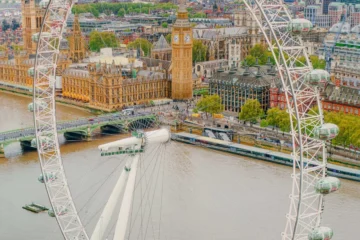
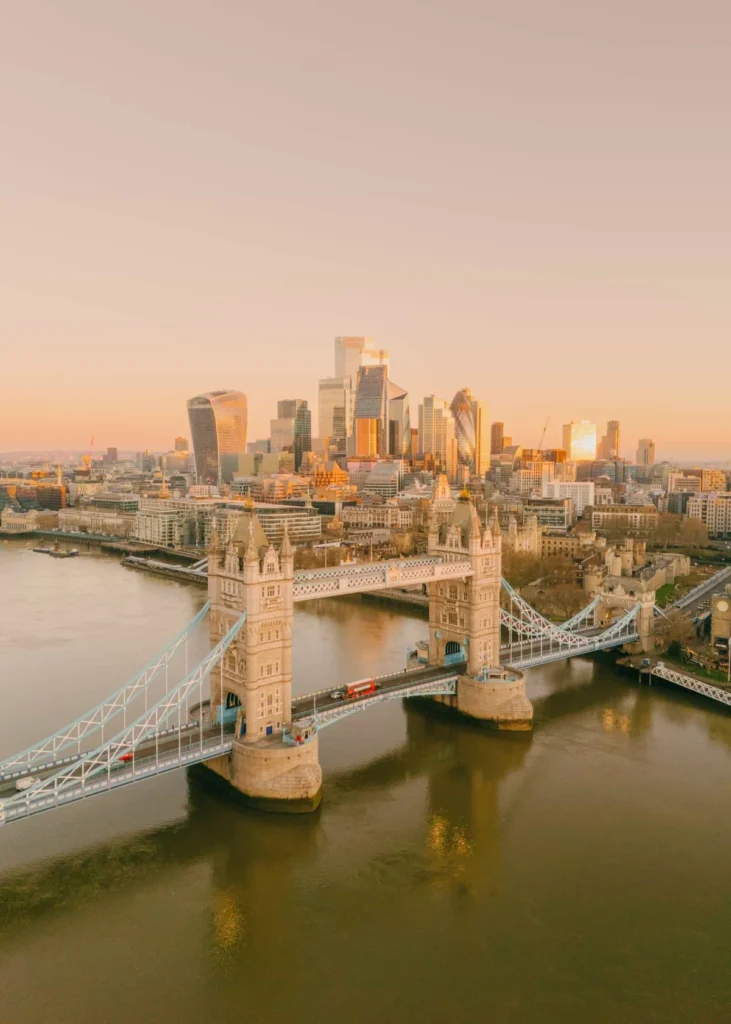
The journey proceeds toward the British Museum and south into the vibrant neighborhood of Covent Garden. Pedestrians then descend past Trafalgar Square and Whitehall to view the Horse Guards Parade and Downing Street, before arriving at the Houses of Parliament, Big Ben, and Westminster Abbey. Crossing the River Thames brings walkers to the London Eye, followed by a picturesque stretch along the Southbank past the Tate Modern, Borough Market, Shakespeare’s Globe, and finally concluding at Tower Bridge and the Tower of London. While completing this massive route in a single day would test the endurance of even the fittest walker, visitors are encouraged to divide the journey across multiple days or utilize public transportation between key focal points.

2. The Regent’s Canal Walk
For those seeking a quieter, more tranquil escape from the bustling paved streets of central London, the Regent’s Canal Walk provides a distinctly leafy, countryside-style atmosphere. Stretching from King’s Cross in the east all the way to Little Venice in the west, this extensive waterside path winds through a diverse array of neighborhoods and architectural styles.

The journey frequently commences at Granary Square behind King’s Cross Station, a vibrant hub of restaurants, shops, and public art installations where visitors can gather provisions before setting off. Following the canal westward brings walkers into Camden, a renowned district celebrated for its eclectic markets and independent storefronts. Further along the south side of the waterway, the route passes London Zoo and Regent’s Park, making it an ideal excursion for families, particularly during warmer weather. The path ultimately terminates in the picturesque residential enclave of Little Venice, featuring charming waterside architecture and inviting establishments such as Cafe Laville.

3. The Central London Circular Walk
Designed specifically to capture a multitude of foundational sites within the city center, the Central London Circular Walk operates as a continuous loop with no fixed starting or ending point, enabling visitors to join the path wherever it proves most convenient.

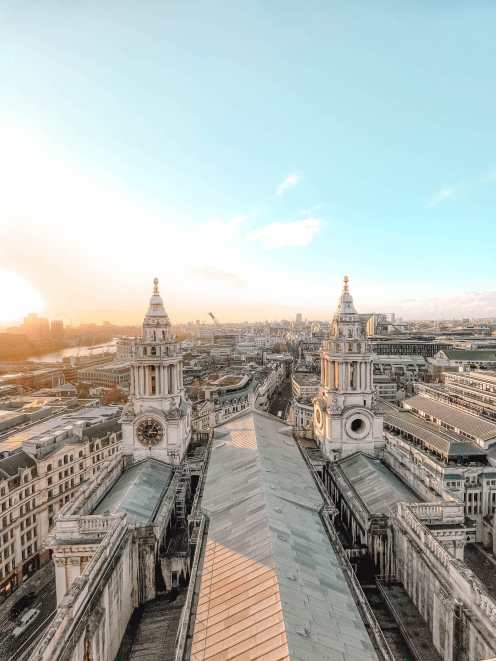
Beginning near the monumental St Paul’s Cathedral, walkers head east toward Bank, the Royal Exchange, and Leadenhall Market, before arriving at the Sky Garden to take in panoramic views of the skyline from one of the city’s premier elevated vantage points. The route continues toward the Tower of London, across Tower Bridge, and into Borough Market for culinary refreshments. Walkers then trace the Thames westward past Shakespeare’s Globe and the Tate Modern art gallery, across Westminster Bridge toward the Houses of Parliament, and onward to Westminster Abbey and Downing Street.

Entering St James’s Park brings travelers to the gates of Buckingham Palace, after which the route heads toward the Wellington Arch and the historic Ritz Hotel—celebrated for its traditional afternoon tea service. The loop concludes by winding northward through Piccadilly Circus, Chinatown, Covent Garden, and back down The Strand toward St Paul’s Cathedral.

4. The Thames Path
The Thames Path is a monumental national trail stretching an impressive 185 miles from the source of the River Thames in the Cotswolds all the way to Woolwich in East London. Within the capital, urban explorers frequently favor the dynamic stretch beginning in Greenwich.

This historic maritime district invites visitors to explore the Old Royal Naval College, the iconic ship Cutty Sark, the Painted Hall, and Greenwich Park among the resident herds of deer. Continuing westward along the river, the path encounters historic landmarks such as the Mayflower Pub—from which the historic ship famously departed—as well as Tower Bridge, Borough Market, the Tate Modern, and the London Eye. The route eventually extends as far west as Battersea Power Station, which has been revitalized into a modern destination for dining and retail.
5. The Line Art Walk
Combining outdoor recreation with contemporary culture, The Line Art Walk offers an engaging route concentrated around North Greenwich and the shoreline near the O2 arena. Although more compact than the city’s extensive multi-mile trails, this art-focused pathway guides visitors past an array of outdoor sculptures and installations dotted along the landscape.

Commencing in Stratford in East London, the route explores the ArcelorMittal Orbit—complete with its celebrated slide—before passing prominent public art pieces such as The Hatchling, Liberty Grip, and A Bullet from a Shooting Star. Walkers also have the opportunity to visit cultural additions like the V&A East Storehouse, a working museum space that grants free public access to conservation vaults and restoration projects in action.
6. The Capital Ring Walk
Spanning a remarkable 78 miles, the Capital Ring Walk is a substantial orbital route designed to showcase the quieter suburban areas and expansive green spaces encircling central London.

Created by Transport for London and divided into accessible sequential sections, the route allows participants to join at points nearest to their accommodations. The journey incorporates diverse highlights such as the Queen Elizabeth Olympic Park, the engineering feat of the Thames Barrier, and the historic grounds of Crystal Palace, providing an entirely different perspective on the geography of the greater metropolitan area.

7. The Green Link Walk
Connecting the northern expanses of Epping Forest to the vibrant southern neighborhood of Peckham, the Green Link Walk highlights the capital’s abundant urban forestry and parklands.

Passing through environments such as London Fields, St Paul’s Cathedral, the Tate Modern, and Burgess Park, this north-to-south itinerary provides a comprehensive cross-section of the city’s natural and architectural heritage, encouraging pedestrians to explore interconnected green corridors across multiple boroughs.

8. The Jubilee Walkway
Dedicated to the royal heritage of the capital, the Jubilee Walkway forms a 15-mile looped route that connects many of London’s most historically significant royal and political landmarks.

Typically explored over the course of two to three days to allow for thorough sightseeing, the route encompasses the Tower of London, the Houses of Parliament, St James’s Park, and surrounding central districts, offering a structured pathway through centuries of British history.
Related News