Teeth Found in Belize Cave Burial Linked to Maya Elites
Article Editorial Team

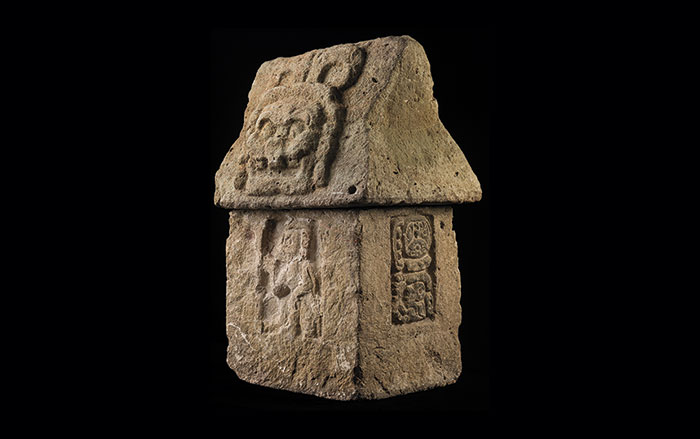
The archaeological site centers on the burial of an ancient Maya woman, which initially took place between approximately A.D. 250 and 400. According to the researchers, the burial itself was notable and carried out with distinctive ritual markers. At the time of her internment, the woman’s head had been removed and replaced with a ceramic bowl containing a single jade bead, an object of high symbolic and economic value in ancient Maya culture. Intriguingly, this precise scene was depicted on a ceramic bowl left within the grave, suggesting that the mortuary rituals performed over her remains were carefully recorded or intended to commemorate a specific mythological or historical narrative associated with her passing.
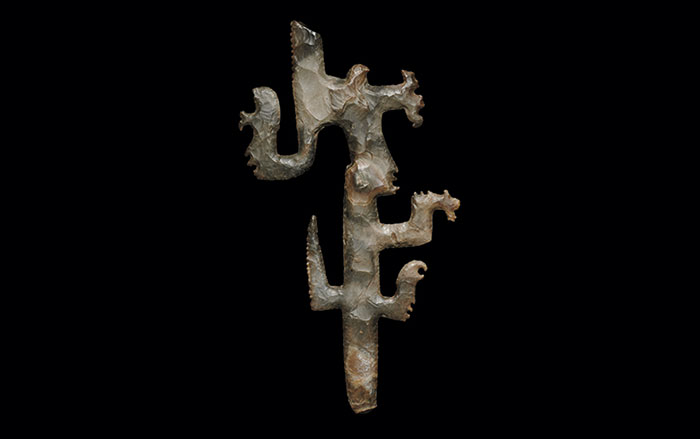
However, what happened at the site in the centuries that followed has surprised archaeologists and geneticists alike. Radiocarbon dating of the materials recovered from the cave revealed that the first human tooth was left at the site more than 100 years after the woman was originally buried. Even more striking, the practice did not end there. People continued to visit the cave and leave human teeth behind for a period spanning more than two hundred years. Over time, the accumulation grew into a massive cache of over 200 teeth, transforming what was once a simple burial site into a deeply revered ritual destination and active shrine.
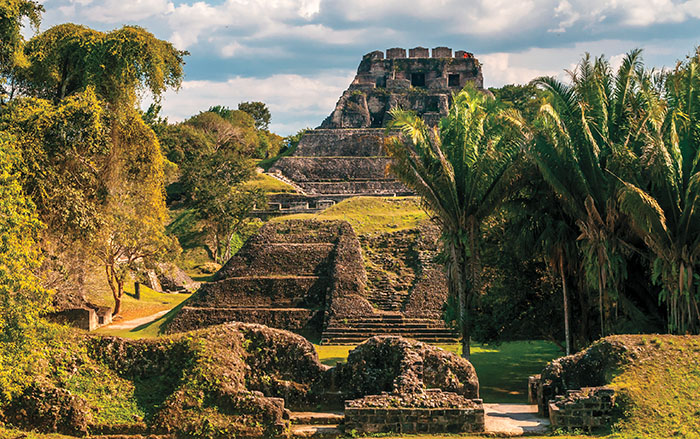
To understand who these teeth belonged to and why they were deposited in such a remote underground location, the research team turned to advanced biomolecular techniques. Genetic analysis of the teeth was conducted by leading geneticists David Reich and Esther Brielle of Harvard University. Their meticulous laboratory work revealed that the more than 200 teeth belonged to at least 30 different individuals.
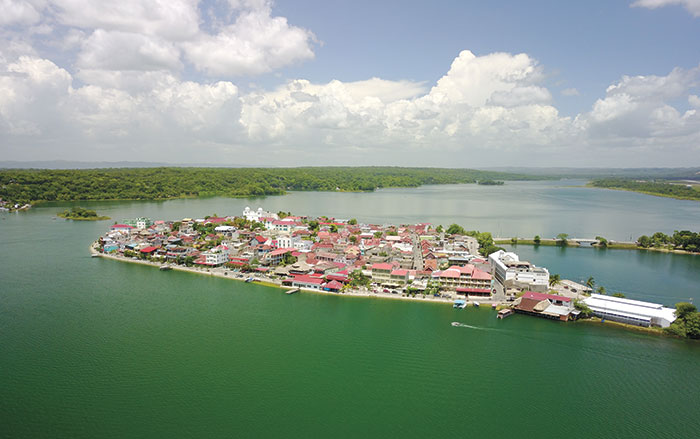
Further genomic investigation linked these individuals directly to the broader political and social landscape of the ancient Maya world. The genetic data showed that more than 20 of the individuals whose teeth were left in the cave had previously been buried in elite family tombs at Muklebal Tsul, a prominent ancient site located some 16 miles away across rugged, challenging terrain. The distance and difficult geography highlight the extraordinary dedication required for these journeys.
Based on these genetic connections and archaeological findings, the researchers have proposed a compelling scenario regarding the function of the cave shrine. They suggest that Maya elites from Muklebal Tsul regularly undertook arduous journeys across the difficult terrain to travel to the woman’s grave. Over generations, this grave had evolved into a sacred shrine of significant importance to the region’s ruling lineages. Upon arriving at the subterranean site, these elites left behind teeth collected from deceased relatives as a tangible connection to their ancestry, or perhaps even deposited their own extracted teeth as a form of personal devotion, sacrifice, or bodily incorporation into the sacred space.
Beyond illuminating ritual practices and pilgrimage habits, the genetic study yielded broader insights into the social organization of ancient Maya society. By tracing the family lines represented in the teeth found in the Bats’ub Cave and comparing them with those recovered from the elite graves at Muklebal Tsul, the researchers were able to reconstruct patterns of kinship and marriage. The data demonstrated that women regularly married into male family lines within this particular segment of Maya society, providing concrete genetic evidence for patrilocal residence patterns and marriage alliances among the ancient elite.
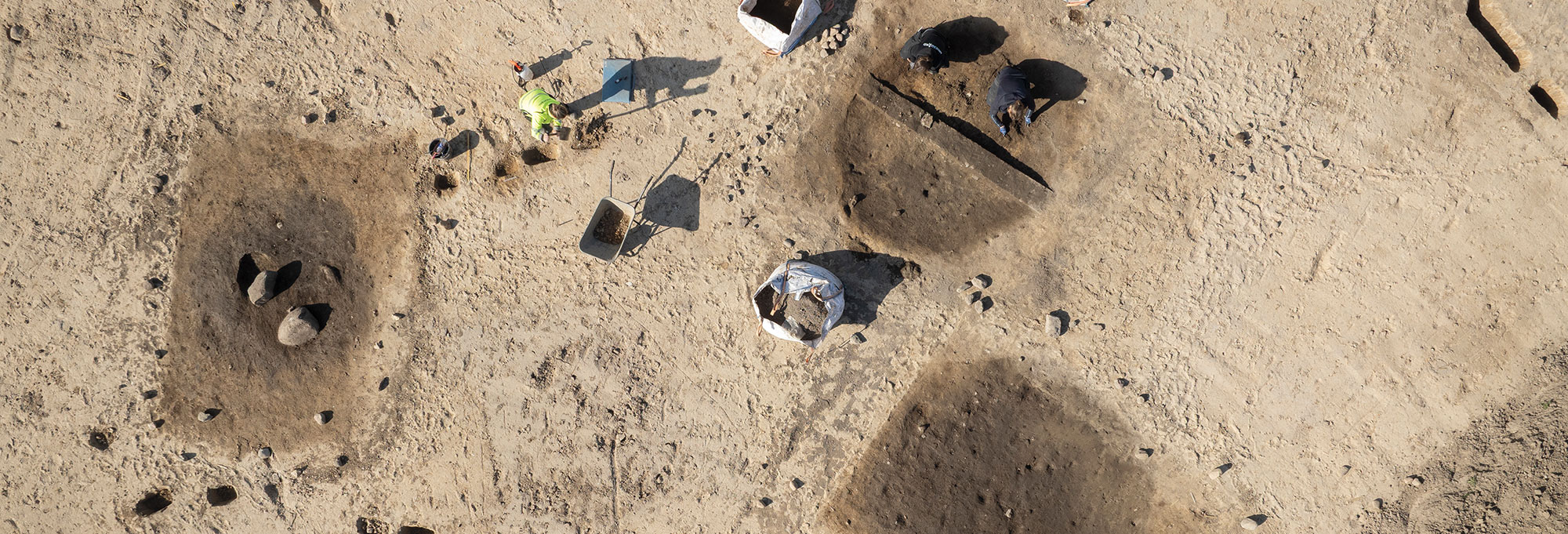
The findings from Bats’ub Cave underscore the complex ways in which the ancient Maya interacted with their dead, maintained long-term social memory across generations, and used the landscape to reinforce political and familial legitimacy. Through a combination of meticulous excavation, radiocarbon dating, and cutting-edge ancient DNA analysis, researchers have been able to peer deep into the social fabric of a civilization that continues to reveal its secrets through the persistence of its material culture.
Related News