4,000-Year-Old Dog Paw Prints Discovered in Bronze Age Adobe Brick in Western Turkey
Article Editorial Team
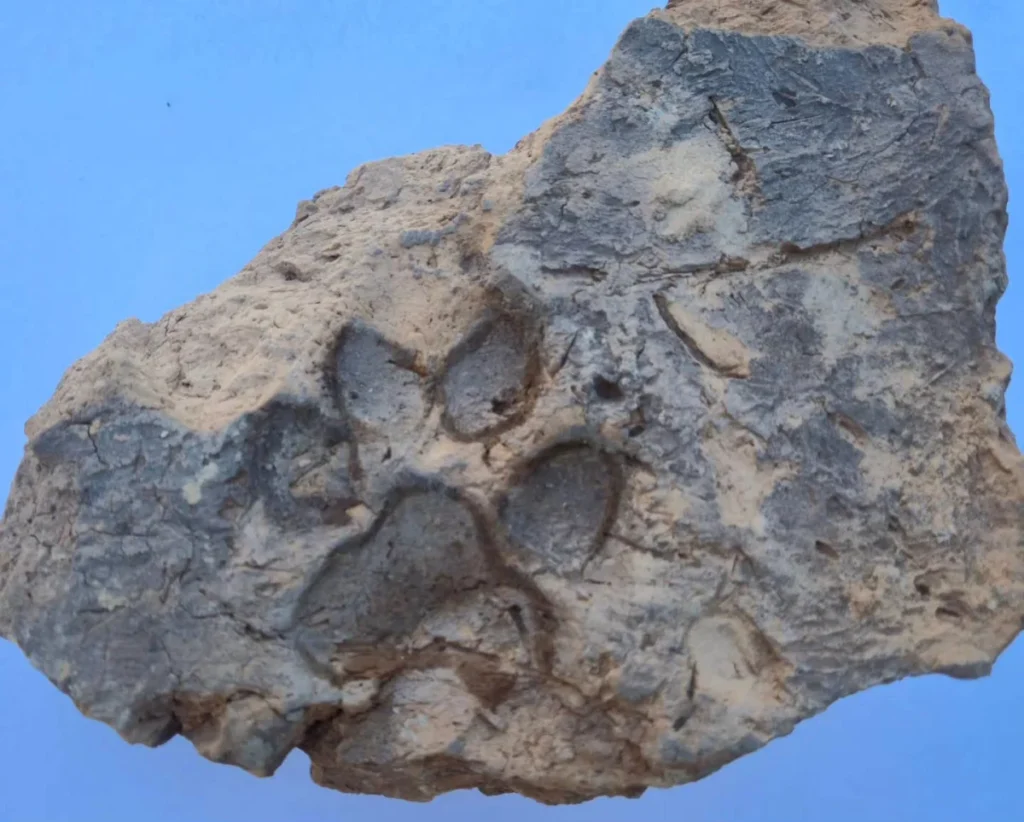
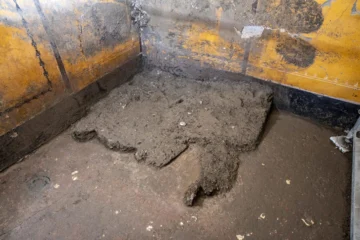
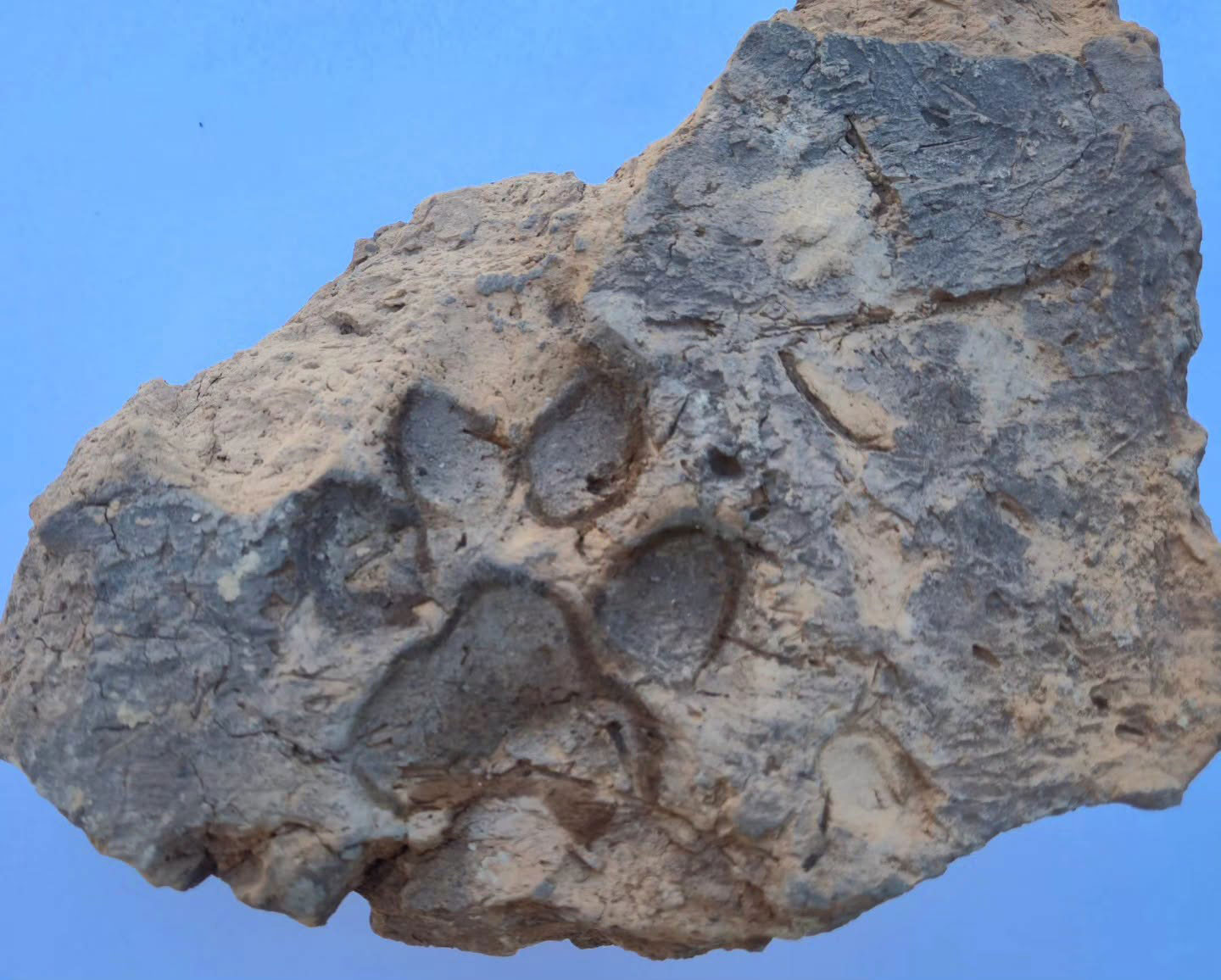
KÜTAHYA PROVINCE, TURKEY—Archaeologists working at the ancient settlement mound of Tavşanlı Höyük in western Anatolia have uncovered an extraordinary glimpse into daily life from four millennia ago. Researchers analyzing sun-baked adobe bricks from a structure destroyed in a Bronze Age fire have identified distinct paw prints left behind by a dog while the clay was still wet.
The discovery, highlighted by the Spanish archaeological publication La Brújula Verde, offers a rare, tangible connection to the animals that inhabited early urban settlements in the region. Tavşanlı Höyük, located in Turkey’s Kütahya Province, is a site of immense historical significance. With a history spanning some 8,000 years, the settlement mound represents a deep stratigraphic record of Anatolian civilization, evolving through multiple cultural epochs before eventually meeting a fiery end in the Bronze Age.
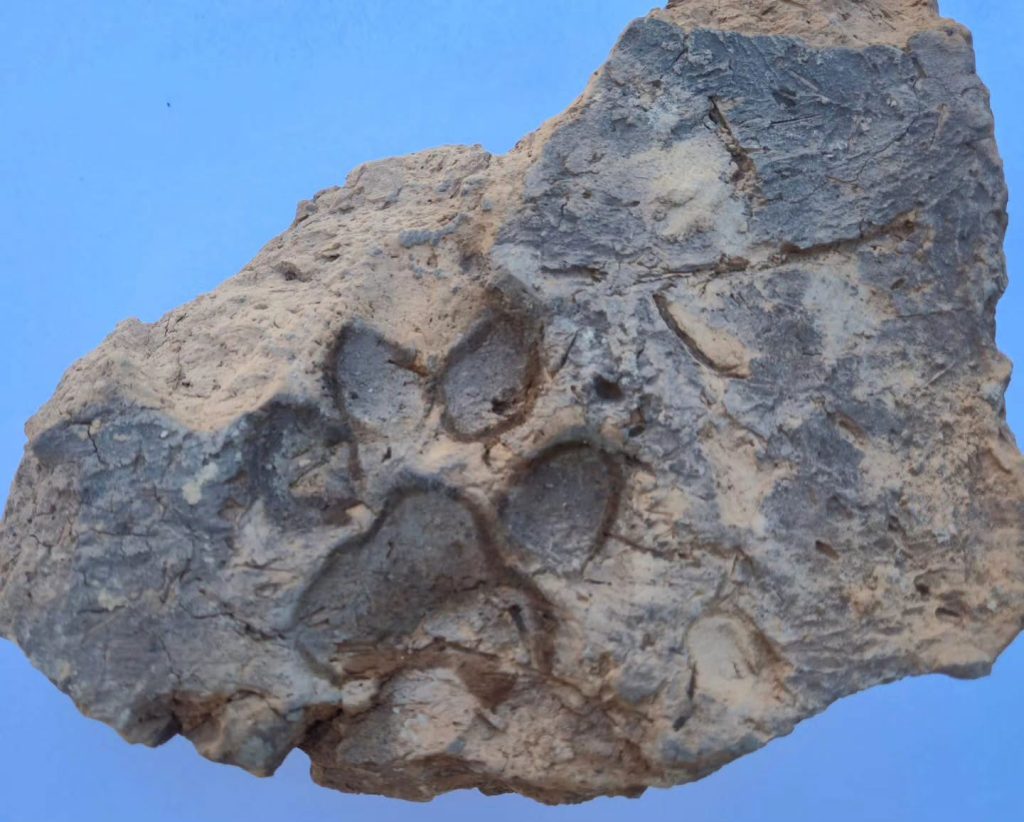
According to Turkey’s Minister of Culture and Tourism, Mehmet Nuri Ersoy, the impressions preserved in the adobe bricks were definitively made by a domestic dog that wandered across the construction materials while they were drying in the sun roughly 4,000 years ago. The bricks themselves formed part of a substantial wall that collapsed during the ancient conflagration, a destructive event that ironically helped preserve the fragile organic impressions for millennia by baking and hardening the surrounding soil and structural elements.
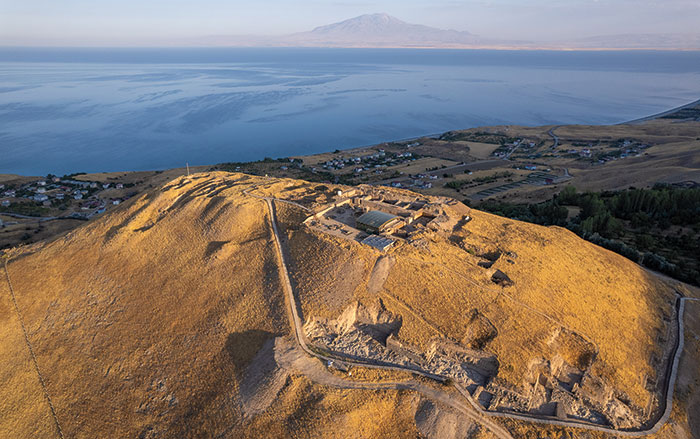
The excavation at Tavşanlı Höyük is led by Erkan Fidan of Bilecik Şeyh Edebali University, alongside his dedicated team of researchers and specialists. Over the course of their fieldwork at the site, Fidan and his team have unearthed a wealth of material culture that sheds light on the daily routines, economy, and architecture of the Bronze Age inhabitants. Among the recovered artifacts are various ceramics, structural adobe fragments, animal bones, remnants of burnt wood, and flint tools. Each of these elements contributes to a broader understanding of how Tavşanlı Höyük functioned as a vibrant community long before modern historical recording.
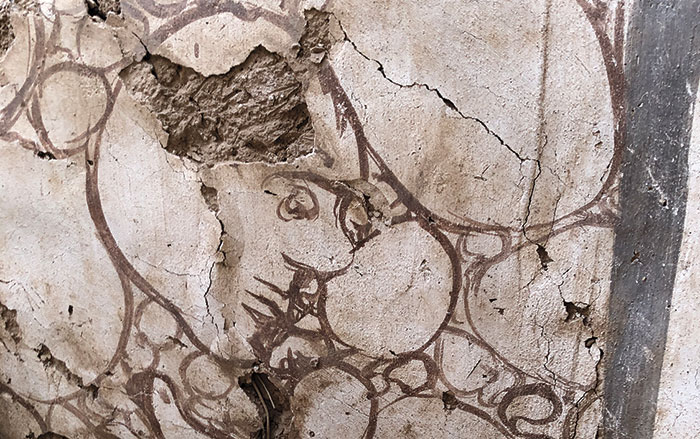
The preservation of animal tracks in ancient building materials, while occasionally documented at archaeological sites around the world, never fails to captivate both researchers and the public. These accidental impressions serve as instantaneous snapshots of prehistoric life, capturing fleeting moments that would otherwise be lost to time. Long before the brick was hoisted into place and baked hard by the Anatolian sun—or ultimately fired in the catastrophic blaze that brought down the building—a canine trotted across the soft surface, leaving behind an indelible signature of its existence.
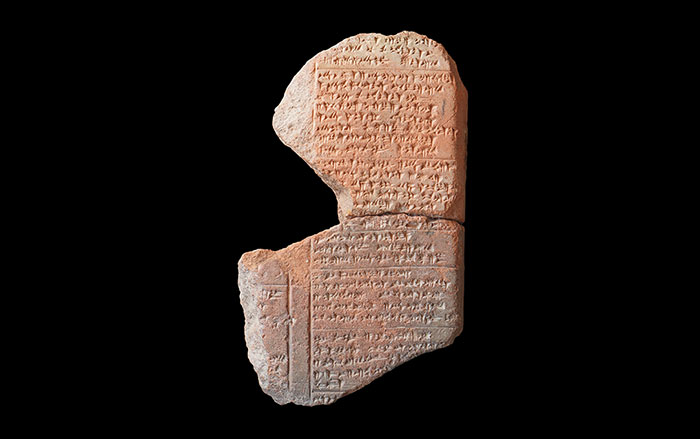
Tavşanlı Höyük continues to be a focal point for archaeological research in western Anatolia, yielding crucial data regarding the transition of societies through the Chalcolithic and Bronze Ages. As Fidan and his team press forward with their analytical work on the recovered ceramics, bones, and architectural remains, discoveries like the ancient dog paw prints provide a deeply human and relatable dimension to the scientific study of the past, bridging a gap of 4,000 years between modern observers and the ancient animals that walked alongside early Anatolian societies.
Related News