Japan Emerges as Formidable Competitor to U.S. for International Travelers, New Brand USA Research Shows
Article Editorial Team
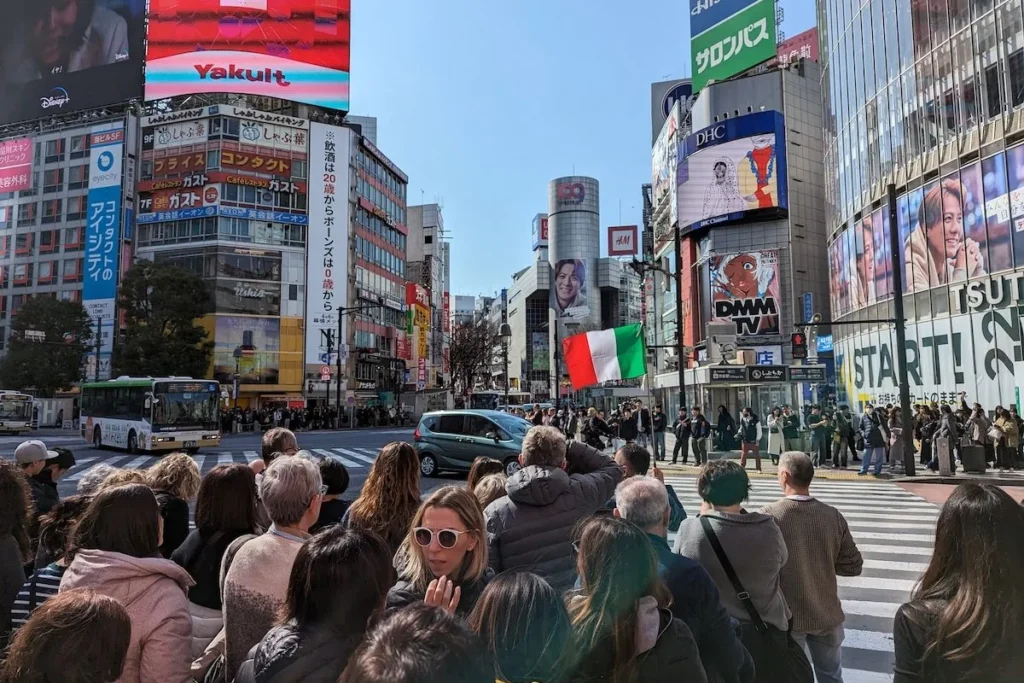
The United States is facing a tightening race to retain its crown as the premier destination for international travelers, as surging interest in Japan and shifting global tourism patterns chip away at America’s long-held market dominance.
According to fresh research revealed during a Brand USA board meeting, the comfortable lead that
the U.S. traditionally enjoyed over competing international destinations has narrowed significantly. The data highlights a growing challenge for American tourism officials, with key international markets increasingly looking toward alternative hotspots, most notably Japan, which has capitalized on surging global appeal to outpace the U.S. in specific months.
The shifting landscape was detailed by Chelsea Benitez, senior director of research and analytics at Brand USA, during the organization’s board session. Reflecting on the timeline of the data, Benitez noted that the competitive gap has rapidly evolved over recent years. In January of last year, the United States maintained a commanding lead, sitting more than eight percentage points ahead of Japan as the top destination of choice among surveyed international travelers. However, that margin has dissolved in the face of Japan’s tourism boom. In both August and October of 2026, Japan finished ahead of the United States in the monthly rankings, signaling a profound shift in global travel preferences.

"We still lead year to date, but Japan is now our most direct competitor for the long-haul international traveler," Benitez told the board during her presentation.
The findings are derived from Brand USA’s comprehensive and ongoing tracking survey, which serves as a vital barometer for the nation’s tourism sector. The research program polls roughly 11,000 individuals each month, capturing sentiment, travel intentions, and shifting preferences across 11 key international markets that represent the primary feeder regions for U.S. inbound tourism. These critical markets span a diverse geographic footprint, including Argentina, Australia, Brazil, Canada, France, Germany, India, Japan, Mexico, South Korea, and the United Kingdom.
The insights shared at the board meeting underscore the delicate nature of global tourism recovery and competition. While the United States remains a massive draw for visitors worldwide, fueled by its iconic cities, diverse landscapes, and cultural influence, destinations abroad have mounted fierce competition. Japan, in particular, has enjoyed an extraordinary resurgence in inbound tourism, driven in part by favorable exchange rates, aggressive destination marketing, and a deeply ingrained global fascination with its unique blend of traditional culture and modern innovation.
As Brand USA continues to monitor these trends, the data presented by Benitez serves as a critical wake-up call for the American travel industry. With long-haul travelers increasingly weighing their options between North America and Asia, tourism stakeholders and marketers will likely need to recalibrate their strategies to capture the attention of global explorers who now have compelling alternatives at the top of their bucket lists.
Related News