Cultivating Resilience: Women Ranchers Gather at Redwing Ranch to Master Regenerative Grazing
Article Editorial Team
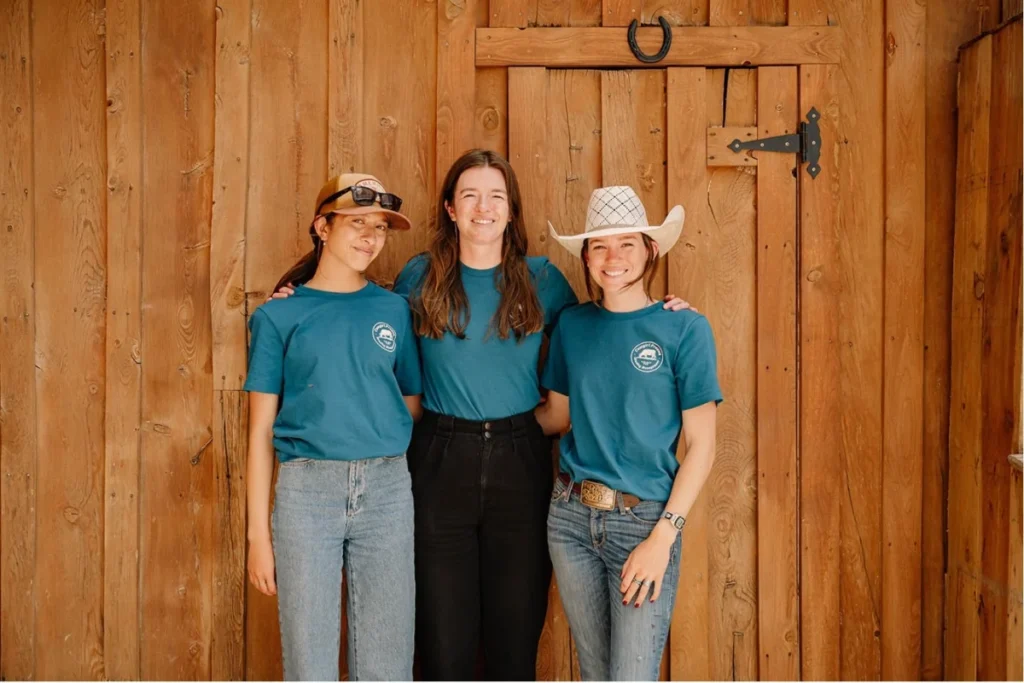
In the high-altitude landscape of Gardner, Colorado, a quiet revolution in land management is taking root. This past August, Redwing Ranch served as the backdrop for "Cowgirl Proven: Pasture First, Profit Follows," an intensive workshop designed to empower women in the agricultural sector with the technical, economic, and ecological skills necessary to thrive in the modern West. The gathering brought together a diverse cohort of women from across the Rockies—ranging from seasoned operators to those just beginning their journey in the ranching industry—all united by a common interest in regenerative grazing and sustainable land stewardship.
The workshop was led by the expert team at Redwing Ranch, including Ranch Manager and Lead Instructor Fiona Jackson, Owner Christy Wyckoff, and Programs Manager Erin Sheridan. By drawing directly from their own experiences managing the ranch, the instructors provided a curriculum that bridged the gap between academic theory and the daily realities of working land. The program was built on a foundation of practical application, focusing on the essential pillars of ranching: sophisticated grazing management, long-term economic planning, and the intentional care of the ecosystem.
For the participants, the two-day event was more than just a series of lectures; it was a deep dive into the complex decision-making processes that define a successful ranching operation. The curriculum covered a breadth of critical topics, including detailed forage assessment, the calibration of stocking rates, long-term grazing planning, the logistics of fencing infrastructure, and the intricacies of ranch budgeting. By exploring how these factors interact, attendees learned how to make informed decisions that balance the immediate needs of livestock with the long-term health of the pasture.
The presence of Cidney Handy, a Range Ecologist for the Audubon Conservation Ranching program in the Rockies, provided an additional layer of scientific perspective to the proceedings. Handy facilitated discussions surrounding Audubon’s Bird-Friendly Land Certification, a rigorous, science-based standard that recognizes beef and bison ranches managed specifically to promote biodiversity, healthy soil, and the preservation of grassland ecosystems. With Redwing Ranch itself currently navigating the certification process, the workshop offered a real-world look at what it takes to integrate conservation goals into a commercial ranching operation.
The impact of such knowledge-sharing extends well beyond the borders of the workshop. Among those in attendance were Jordyn Ludeman and Maddy Pollack, interns from the Bird-Friendly Certified Badger Creek Ranch. Their participation highlights a crucial effort within the industry to mentor the next generation of conservation-minded agricultural professionals. By observing how established ranches like Redwing incorporate bird-friendly practices—such as rotational grazing and riparian restoration—these emerging leaders are gaining the understanding required to ensure that working lands continue to provide vital habitat for birds and other wildlife for decades to come.
The spirit of the workshop was defined by a culture of mutual support. While the technical lessons on pasture management were invaluable, many participants cited the creation of a professional community as the most significant takeaway. The "Cowgirl Proven" format created a safe, collaborative space where women could pose difficult questions, share personal experiences, and candidly discuss the challenges of the industry. In an often-isolated profession, the ability to build a network of like-minded peers is a powerful tool for longevity. This community-building aspect is fundamental to how Redwing Ranch views the future of agriculture; they operate on the belief that when ranchers feel supported, confident, and well-informed, they are far more likely to implement the thoughtful management strategies that keep grasslands productive and healthy.
Since 2022, Redwing Ranch has established itself as a leader in this philosophy, using its own operations as a living laboratory. The team employs cattle as a primary tool for ecological management, intentionally grazing in a way that mimics natural disturbances to build soil organic matter, restore degraded riparian corridors, and foster a diverse mosaic of habitats. This approach recognizes that cattle and conservation are not mutually exclusive; rather, when managed correctly, livestock can be the key to revitalizing the landscape. The team’s commitment to sharing these lessons through a robust educational program underscores their dedication to advancing the regenerative movement throughout the broader ranching community.
The synergy between resilient working lands and habitat conservation is the core mission of Audubon Conservation Ranching. With over 160 ranches now certified across the United States, the program encompasses approximately 4.7 million acres of managed grassland. This scale is vital, as the vast majority of North America’s remaining grasslands are held in private ownership. By partnering with the stewards of these lands, conservationists can achieve habitat connectivity and quality that would be impossible through public land management alone.
Because these lands serve as critical territory for food, nesting, and shelter for a variety of bird species, the decisions made by an individual rancher—from the timing of a move to the placement of a fence—have profound impacts that ripple far beyond the pasture fence. Audubon’s involvement in workshops like "Cowgirl Proven" reflects a strategic effort to support the practitioners on the front lines. By fostering a deeper understanding of conservation-minded stewardship, the organization aims to help ranchers maintain operations that are not only economically viable but are also fundamental to a regenerative food system.
Ultimately, the success of the "Cowgirl Proven" workshop serves as a testament to the power of collaborative learning. The event demonstrated that when women in ranching are given the space to get their boots on the ground and learn alongside one another, the results go beyond individual skill enhancement. They are building a resilient community capable of navigating the complex environmental and economic challenges of the modern West. By integrating the hard science of ecology with the daily practice of ranching, these women are proving that the future of the American landscape is one where profitable agriculture and robust conservation can flourish together.
As the industry continues to evolve, initiatives like these provide the tools and confidence necessary to keep working lands intact. For the participants returning to their own ranches after the workshop, the experience offered more than just a set of management strategies; it provided a renewed sense of purpose and a clear understanding that their work is a vital component of a much larger, continent-wide effort to protect the health of our grasslands.
Audubon Conservation Ranching remains committed to these partnerships, aiming to empower land stewards to enhance habitat, improve soil and water quality, and strengthen the connection between the consumer and the land. By purchasing products from Audubon Certified Bird-Friendly Land, the public plays a crucial role in this cycle, effectively becoming conservationists themselves by supporting the ranchers who manage the land with the future of our birds and ecosystems in mind. For those looking to learn more about this mission, resources and further information on the certification program can be found at www.audubon.org/ranching.
Related News