Discovering the Impact of Ecotourism in Mondulkiri: A Closer Look at the Keo Seima Wildlife Sanctuary
Article Editorial Team
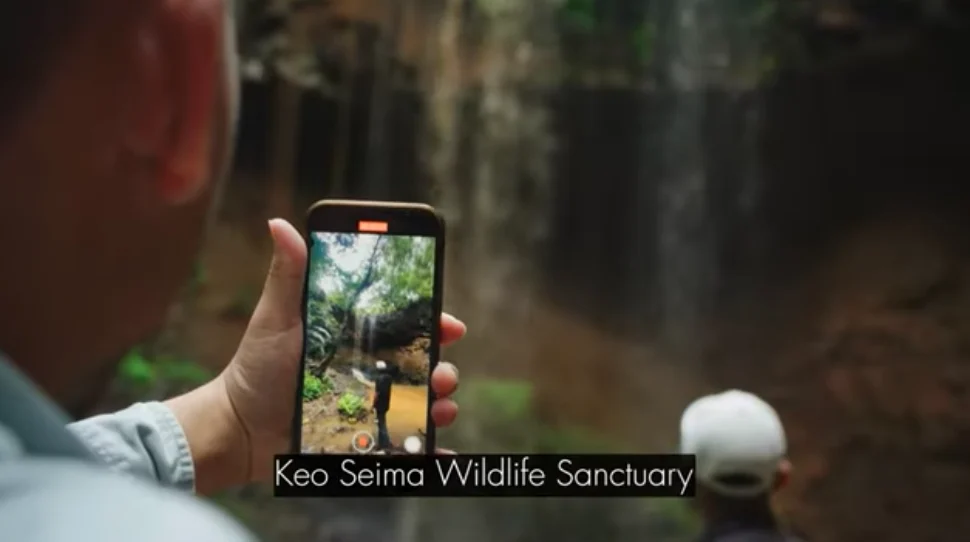
In the lush, rolling hills of Cambodia’s eastern province of Mondulkiri, a quiet transformation is underway, bridging the gap between wildlife conservation and the economic empowerment of indigenous communities. A newly highlighted initiative offers a detailed look into how sustainable ecotourism is making a tangible, positive difference for both the local environment and the people who call the region home. Developed as a core component of the broader Keo Seima project, this sustainable tourism model is proving that protecting vital natural habitats can go hand in hand with regional development.
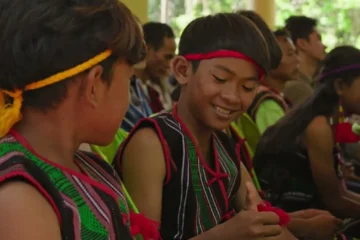
The Keo Seima project stands as a cornerstone initiative within the Climate Impact Portfolio, a curated selection of environmental endeavors supported by established carbon offset programs. By channeling resources into high-impact regions, the program aims to mitigate global carbon emissions while directly addressing local socioeconomic needs. In Mondulkiri, this backing has allowed conservationists and community leaders to build a framework where visitors can experience the region’s rich biodiversity without leaving a destructive footprint. Visual documentation provided by the Wildlife Conservation Society (WCS) Cambodia vividly captures this delicate balance, showcasing the breathtaking landscapes of the sanctuary alongside the daily lives of the residents who participate in and benefit from these conservation-led tourism efforts.
For years, regions like Mondulkiri have faced mounting pressures from deforestation, agricultural expansion, and illegal wildlife trafficking. The Keo Seima project was established to combat these threats by securing legal land tenure for indigenous communities, protecting endangered species, and creating sustainable livelihoods that incentivize forest preservation rather than exploitation. Ecotourism serves as a vital financial mechanism within this broader strategy. When travelers visit the sanctuary, their presence generates alternative sources of income for local families, who act as guides, hospitality providers, and stewards of the land. This direct economic benefit fosters a deep community-led commitment to keeping the surrounding forests intact and healthy.
The integration of carbon offset funding has been crucial in maintaining the momentum of the Keo Seima project. As corporations and individuals seek credible ways to neutralize their carbon footprints, contributions directed toward initiatives within the Climate Impact Portfolio help finance on-the-ground protection measures, anti-poaching patrols, and community development programs. These funds ensure that conservation is not merely an idealistic goal, but a practical, well-resourced reality that can withstand economic pressures. Through the partnership with organizations like WCS Cambodia, the project continues to monitor ecological indicators, ensuring that wildlife populations—ranging from majestic Asian elephants to critically endangered primates—find a secure haven within the protected zone.
The visual narrative provided by WCS Cambodia serves as an educational tool for a global audience, illuminating the human side of climate action. Too often, discussions surrounding carbon offsets and conservation remain abstract, focusing entirely on metrics, tonnages, and policy frameworks. By bringing attention to Mondulkiri’s ecotourism model, the initiative highlights the faces, stories, and landscapes behind the data. Visitors who trek through the verdant trails of Keo Seima are not just passive observers; they become active participants in a global network of climate responsibility.
As the broader travel community continues to evaluate its impact on the planet, initiatives like the Climate Impact Portfolio offer a clear pathway for meaningful engagement. Organizations and travelers interested in exploring these efforts further can examine the portfolio’s diverse array of projects, which extend far beyond Cambodia to address environmental and social challenges worldwide. Through transparent reporting, visual storytelling, and continuous community engagement, the Keo Seima project demonstrates that sustainable travel is not just an aspiration, but a proven methodology for safeguarding the future of our shared environment.
Related News