Korean Air Reports Major Shift as Post-Pandemic Demand Flips Cabin Booking Patterns
Article Editorial Team
Something fundamentally changed in how people buy airline seats after the global pandemic, and Korean Air can see it clearly reflected in its own booking data. Kenneth Chang, Executive Vice President and Chief Marketing Officer at the carrier, recently detailed a fascinating shift in consumer behavior to Simple Flying: the order in which the airline’s cabins fill has completely flipped. Today, premium cabins are selling out long before economy, reversing a traditional booking pattern that held firm for decades across the commercial aviation industry.
This post-pandemic behavior shift serves as the foundational catalyst for a sweeping overhaul of Korean Air’s premium product. According to Chang, the airline has significantly elevated its capital and operational investments across catering, wine programs, and onboard service. Rather than simply tweaking legacy procedures to fit updated hardware, Korean Air took the bold step of rebuilding its cabin crew training program completely from scratch. Furthermore, the airline instituted a strict quarterly rotation for its wine lists and menus, ensuring that loyal repeat customers never encounter the exact same product twice.
The Booking Pattern Has Reversed Since The Pandemic
The trend described by Chang is straightforward, but its operational implications are profound. Passengers are no longer just looking for a basic way to cross oceans; post-COVID travel behavior places a much heavier emphasis on comfort, space, and prestige.
"After COVID, a lot of people are traveling more on prestige than economy," Chang explained. "Previously, economy seats sell out first, then we would have some prestige leftovers. Now it’s vice versa. Our upper classes are being sold out first before economy, so their expectation is different when they come into the plane."
While the first half of this observation echoes a wider industry trend reported by major international carriers since 2022, the second half represents a critical operational pivot. Historically, when premium cabins filled up slowly, airlines often relied on discounted cash fares or operational upgrades to fill the remaining seats near departure. When upper-class cabins sell out first, however, they are occupied entirely by paying customers who deliberately sought out the product and invested heavily to secure it.
This dynamic drastically alters the makeup of the cabin upon boarding. Passengers who intentionally purchase a high-end product bring elevated expectations tied directly to the considerable financial investment they made. In response to this higher standard, Korean Air elected to upgrade its entire premium experience to ensure the product matches what passengers could have alternatively spent their money on elsewhere.
What A Premium Passenger Is Actually Buying
For Chang, defining the modern premium customer goes far beyond physical hardware specifications. While traditional airline marketing has historically focused on quantifiable metrics—such as seat pitch, width, bed length, and screen size—Chang emphasizes that today’s luxury traveler is looking for something much more holistic.
"Like I said, they’re buying a space not just to relax, but they want to buy an experience," Chang said.
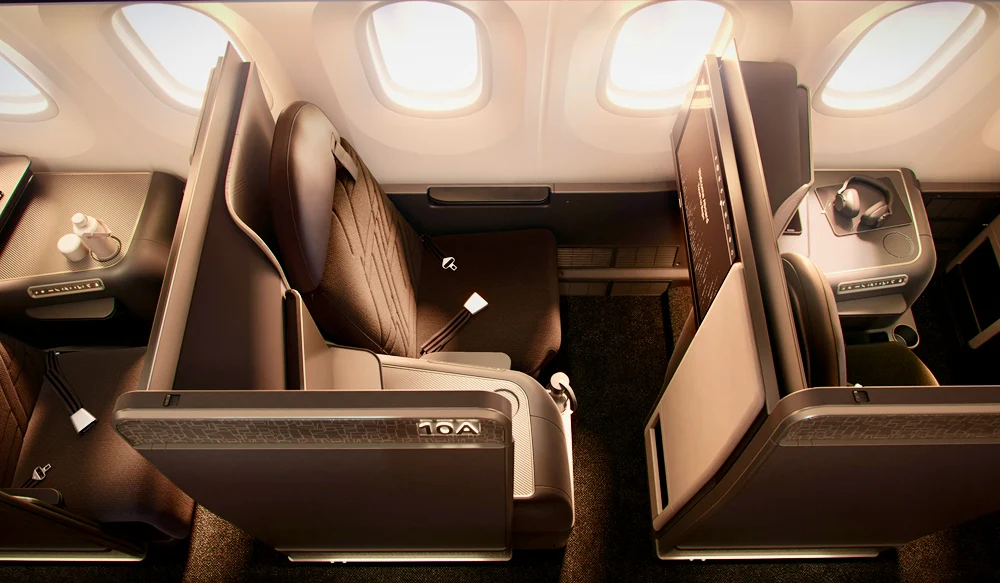
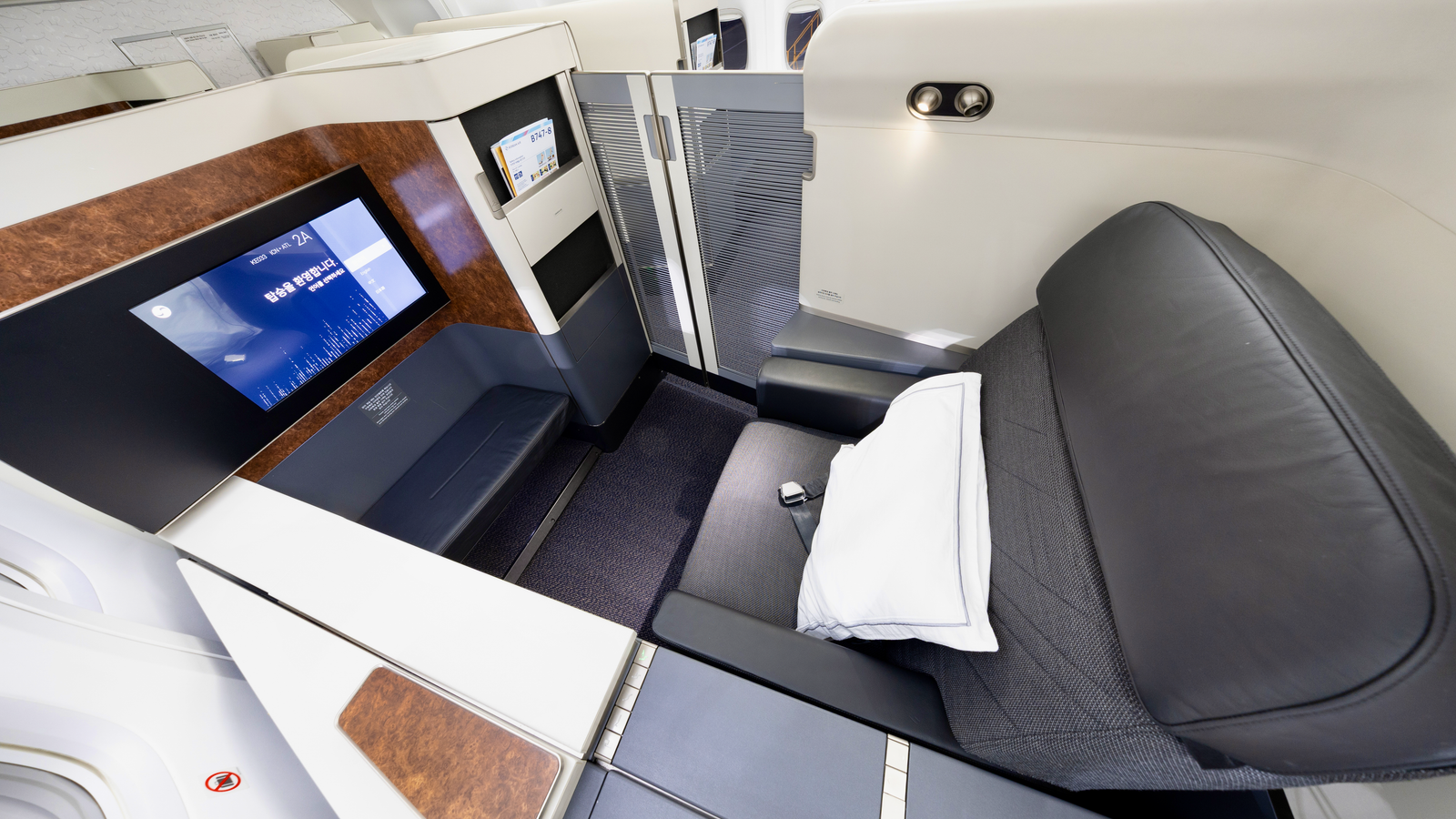
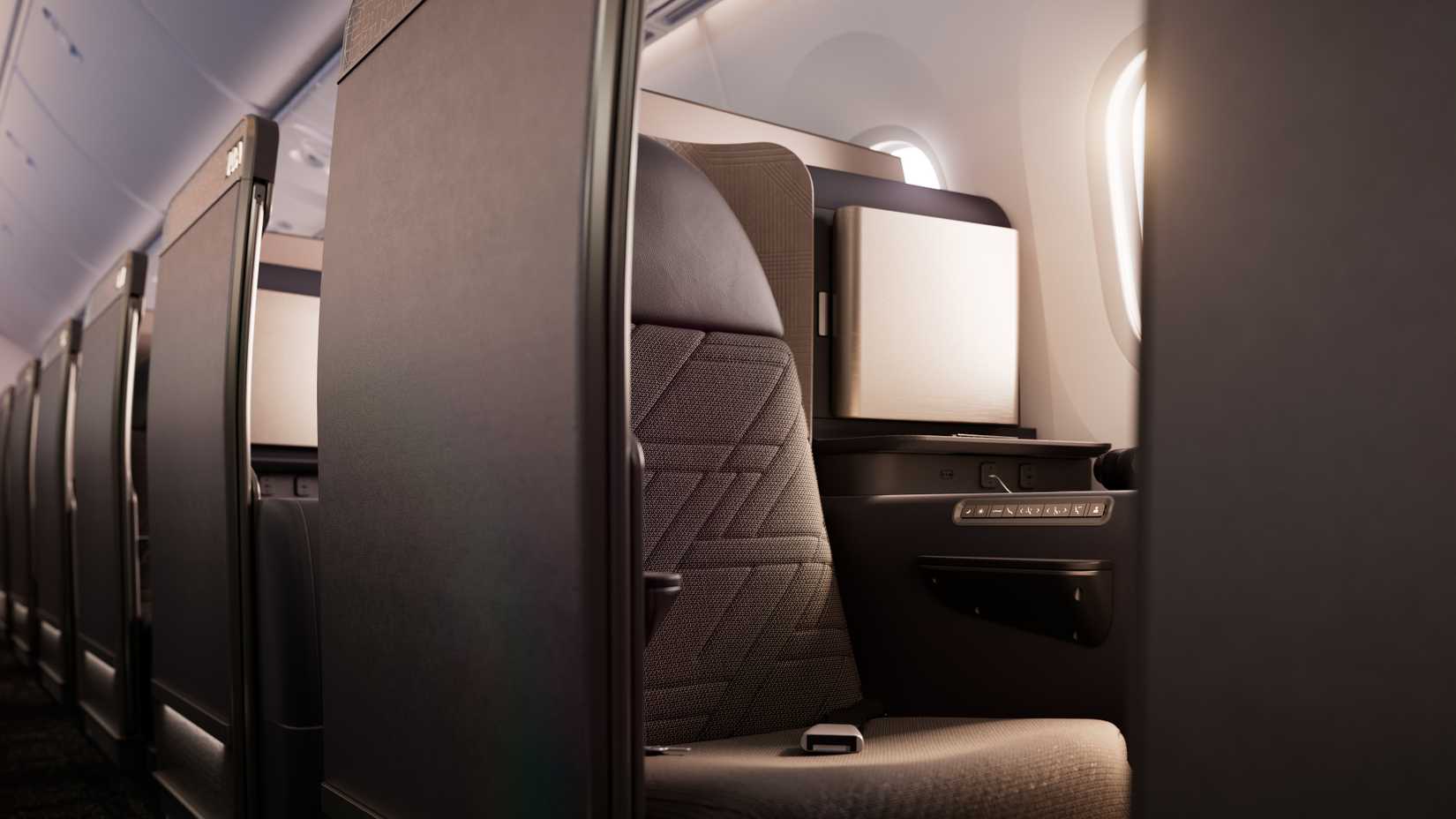
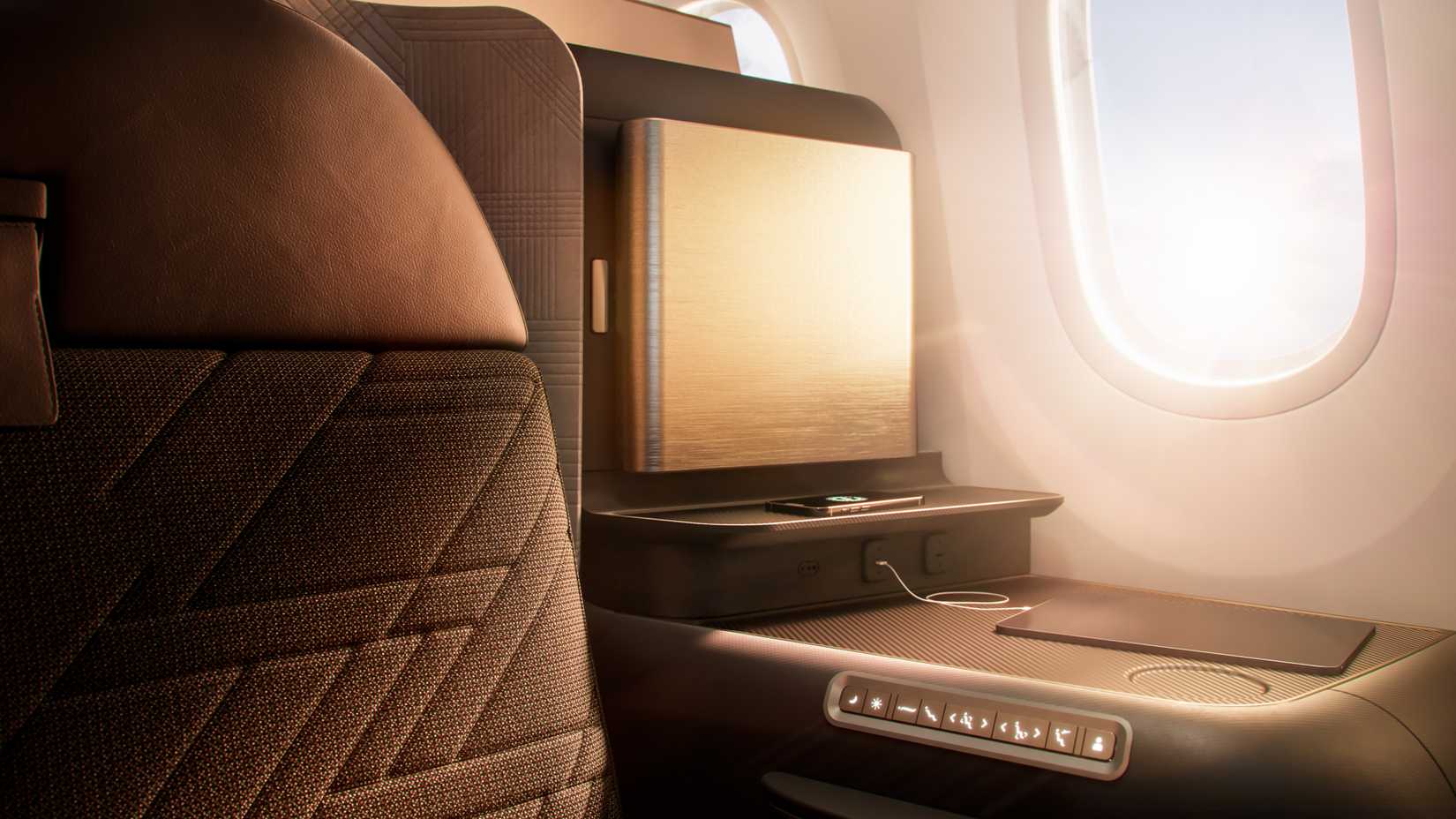
While seat maps and engineering data sheets remain important benchmarks, competing on an "experience" requires airlines to focus on intangible elements that never appear on a specification sheet. Nevertheless, Korean Air maintains the hardware credentials to back up its luxury ambitions. The carrier’s cutting-edge business class product, known as Prestige Suites 2.0, originally debuted on the Boeing 787-10 in 2024 and was systematically introduced to refitted Boeing 777-300ER aircraft. Designed by PriestmanGoode and built on a customized Collins Aerospace Horizon platform, these suites are arranged in a spacious 1-2-1 layout guaranteeing direct aisle access for every single traveler. Offering 46 inches of pitch, a fully flat 78-inch bed, and a sprawling 24-inch 4K personal entertainment screen, the hardware provides an elite baseline, but it is merely the starting point for the overall journey.
Where Korean Air Put The Money
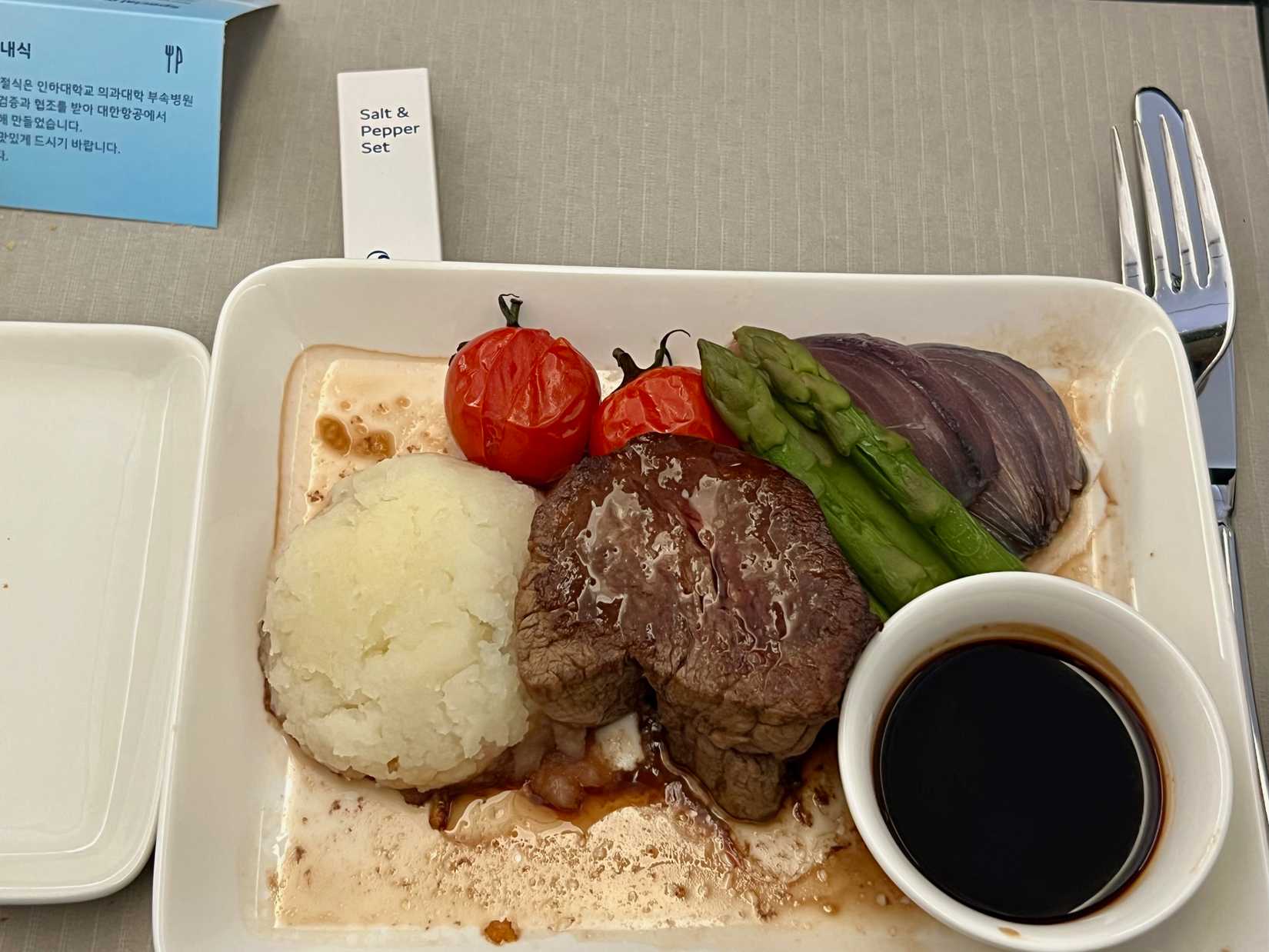
Simple Flying recently sampled Korean Air’s long-haul business class experience on a flight to London following a delegation visit to Seoul. While that specific route was operated by a Boeing 777-300ER featuring the previous generation’s cabin layout—scheduled to be swapped out for the advanced 787-10 following fleet integrations—the underlying service strengths were immediately apparent. With abundant personal space, highly attentive crew members, and premium dining options featuring prime cuts of steak, the value proposition remains robust.
Chang was refreshingly direct about the scale of the financial commitment behind these upgrades. "We’ve actually ramped up our, I would say, level of investment in the premium classes," he noted, highlighting tangible results not just in the food itself, but in the delivery of service.
The connection between food quality and service delivery is deliberate. By treating the physical meal and the human execution of the meal as a single, unified investment rather than separate departmental budgets, Korean Air has managed to shift consumer perception. Chang noted that when modern passengers experience the upgraded cabin environment, their point of comparison shifts away from competing airlines entirely. Instead, travelers frequently remark that the atmosphere feels akin to a five-star hotel or a Michelin-starred dining establishment, a standard that the airline’s culinary program is intentionally designed to meet.
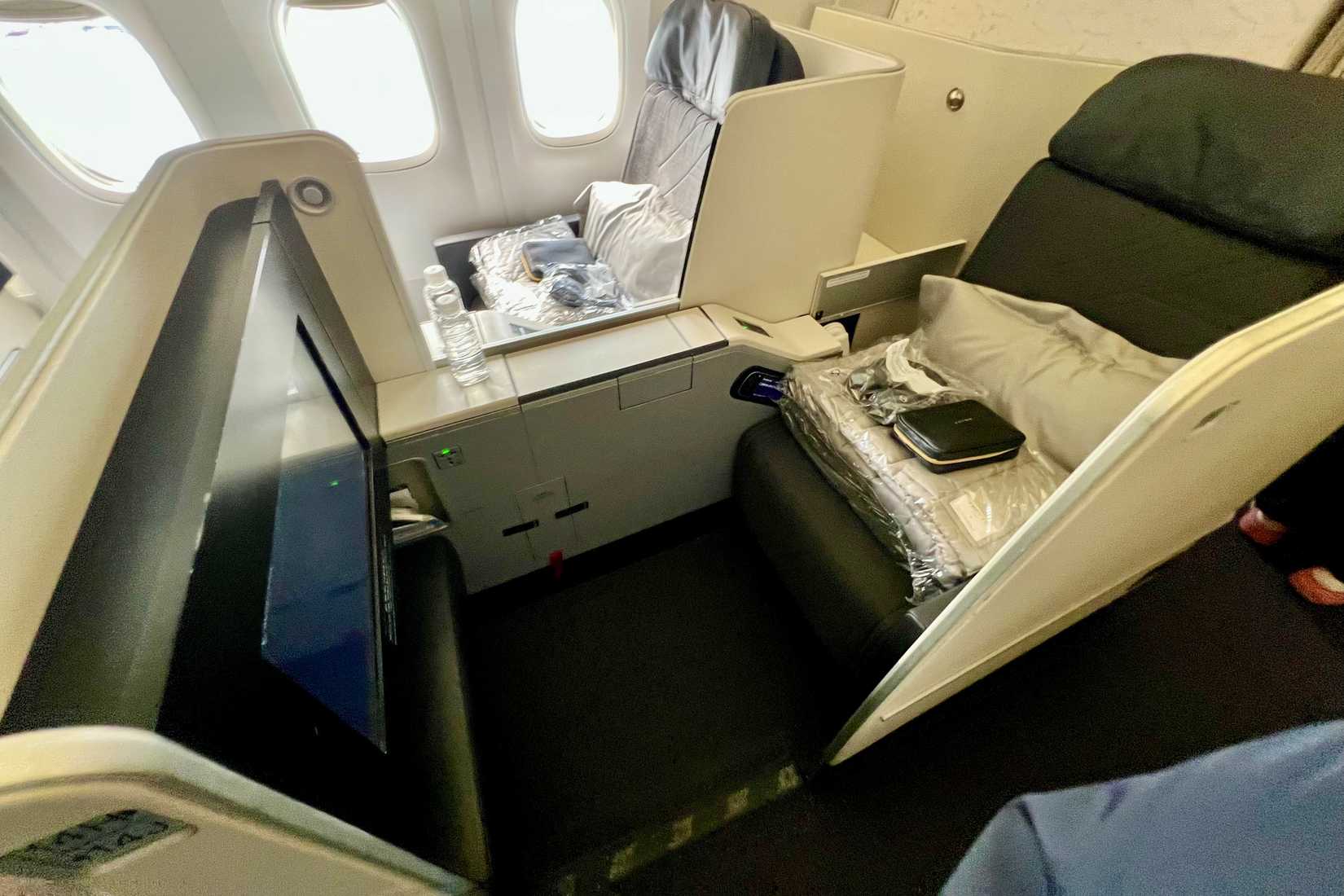
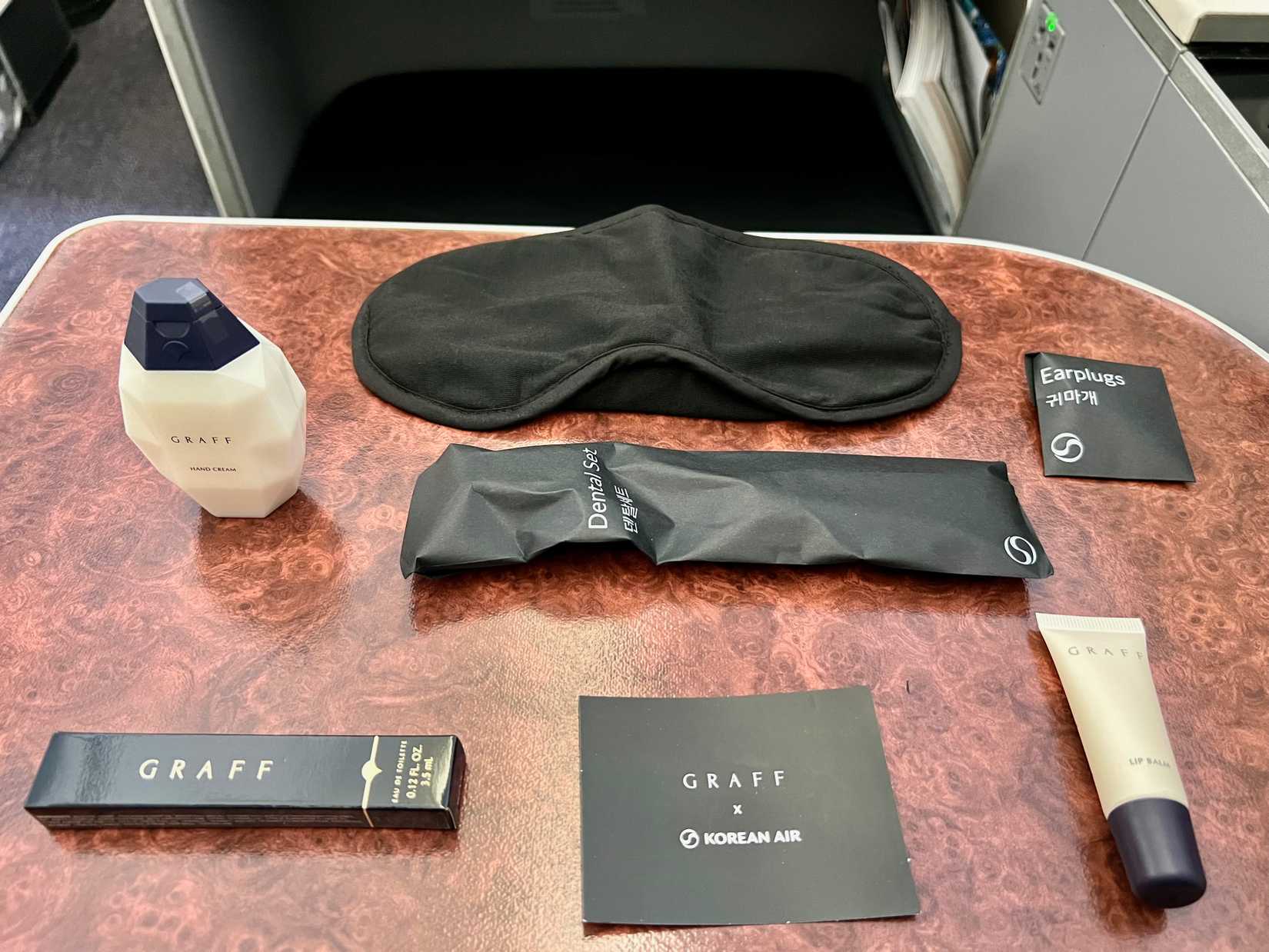
External industry recognition validates this strategic direction. Korean Air earned the prestigious Best Cabin Service honor at the APEX Best Awards and secured a coveted Skytrax Five-Star Global Airline rating for the sixth consecutive year. Furthermore, its curated wine program has consistently collected gold medals at Business Traveller’s Cellars in the Sky awards, while the physical cabin utilizes luxury touches like Armani Casa tableware and plush Frette bedding. These tactile elements make the hotel comparison plausible rather than purely aspirational, justifying the significant capital injection.
Why The Cabin Crew Had To Be Retrained
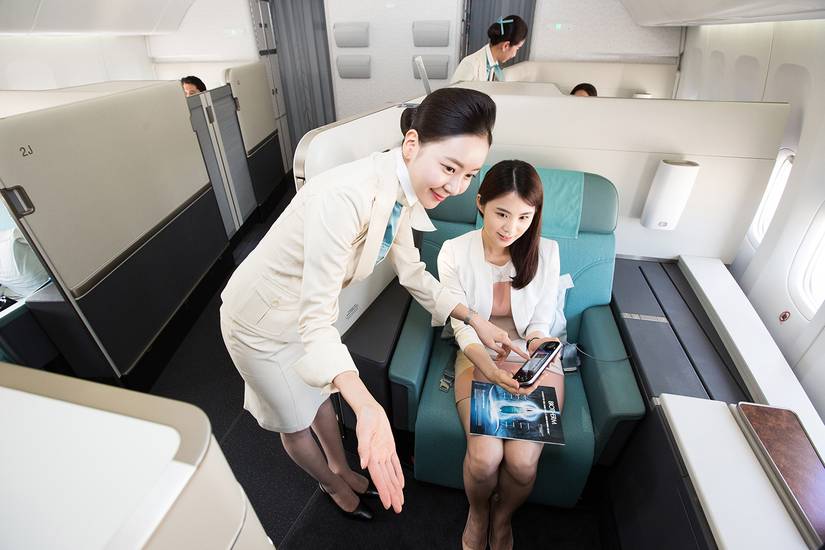
Perhaps the most challenging and substantive operational decision Korean Air made involved its workforce rather than its physical assets. Installing brand-new suites and modern aircraft meant that the airline’s existing cabin crew training procedures needed a complete rethink.
"With that, with the new seats, we wanted to make sure that our cabin crew, who’s servicing them, is retrained," Chang said. "We don’t want to take the old training process and do the same thing because fleets are different, seat configuration is different, customer experience is going to be different."
Rebuilding a cabin training academy from the ground up is an expensive, labor-intensive undertaking that remains largely invisible to passengers compared to a shiny new seat. Many airlines fall into the trap of updating hardware and menus while keeping legacy crew procedures largely intact, leading to subtle mismatches in service delivery. However, Chang recognized that the service flow required for a modern suite featuring a privacy door differs vastly from older, open-configuration cabins like traditional 2-2-2 layouts.
This philosophy takes concrete shape in the airline’s long-haul service routines. On Prestige Suites 2.0 routes, Korean Air has successfully transitioned to a flexible dine-on-demand structure. Rather than executing a rigid, synchronized trolley service immediately after takeoff, cabin crew collect individual passenger meal preferences during boarding. The primary meal service is anchored roughly 90 minutes into the flight, but it can be easily adjusted forward or backward according to each individual traveler’s schedule.
Managing a staggered timeline for every suite in the cabin requires exceptional coordination from the flight attendants—precisely the kind of agile service management that legacy training programs were never designed to handle.
"We actually revamped not only the catering or the surroundings around it, like chinaware, we’ve also revamped our cabin crew training to make sure that they keep up to par in terms of what the customers want, and we try to provide the tailor-made services as much as we can," Chang said. Because a physical seat is ultimately identical for every person who sits in it, the human element of customized service remains the primary variable an airline can manipulate mid-flight.
A New Wine List Every Three Months
To maintain loyalty among frequent flyers, Korean Air had to address a distinct challenge inherent to high-end travel. Premium passengers who fly the exact same routes multiple times a year run the risk of experiencing fatigue if they encounter the same menu, the same beverages, and the same routines repeatedly.
The airline’s solution is a rigorous and continuous rotation schedule. "We decided to change our wines every three months," Chang noted. "We go through different cycles, so we have three new meals going through every three months, and we change wines as well too, so that frequent flyers do not get stuck with the same crew, same wine, the same experience."
This commitment to evolution shows no signs of slowing down. Korean Air has already confirmed plans for an entirely new first-class suite slated to debut in 2028, once again partnering with PriestmanGoode. David Pacey, the carrier’s Executive Vice President and Chief of In-flight Service and Lounges, previously confirmed to Executive Traveller that this upcoming ultra-luxury cabin will find a home on incoming Airbus A350, Boeing 777-9, and Boeing 787 aircraft.
Conversely, older Boeing 777-300ER aircraft are undergoing major refits to remove first-class entirely in favor of expanding the footprint of Prestige Suites 2.0. This strategic fleet adjustment speaks volumes about where Korean Air identifies long-term market demand. By building a dedicated, state-of-the-art first class for its newest flagship airframes while converting older first-class cabins into expanded business-class real estate, the airline is placing the exact same bet that Chang sees in his booking data—banking on a premium-heavy future for international aviation.
Related News