Safeguarding the Texas Coast: A Year of Conservation, Monitoring, and Partnership for Colonial Waterbirds
Article Editorial Team
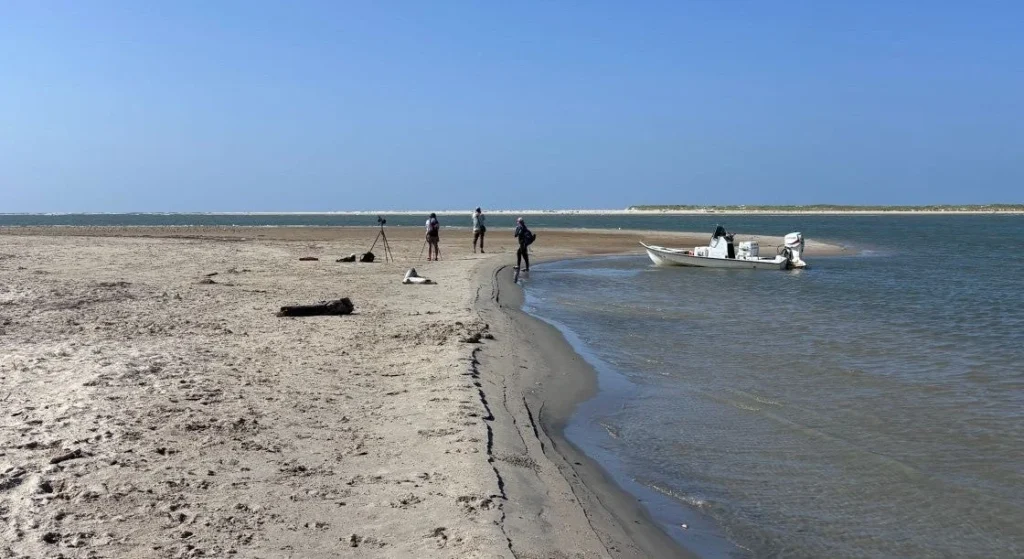
As the calendar year draws to a close, Audubon Texas is taking stock of a season defined by both significant triumphs and sobering challenges for the state’s coastal avian populations. The organization’s ongoing commitment to the Texas coastline, which serves as a critical migratory and nesting corridor, has seen a renewed focus on habitat restoration, technological integration, and community engagement. By managing or owning 175 islands across the Texas coast, Audubon Texas acts as a primary guardian for 26 distinct species of colonial waterbirds, providing the sanctuary necessary for these creatures to nest, breed, and raise their young in an increasingly volatile environment.
Protecting these birds requires a multi-layered approach, one that spans from the microscopic scale of scientific data collection to the macro-level engineering of landscape-scale habitat restoration. As the organization reflects on the past twelve months, it becomes clear that the survival of these species is intrinsically linked to the strategic application of resources and the strength of the partnerships forged along the Gulf Coast.
The Foundation of Conservation: Restoring Vital Habitat
For Audubon Texas, the work begins with the land itself. Coastal erosion, exacerbated by rising sea levels and intense storm events, continues to threaten the integrity of the islands that serve as nurseries for waterbirds. Without these protected spaces, the birds would have nowhere to safely rear their chicks away from land-based predators and human disturbance.
This year, the organization made significant strides in fortifying these essential landscapes. A central pillar of this effort is the collaboration with the Texas General Land Office to advance critical protection plans for Chester Island. The proposed installation of a rock revetment and breakwater system is designed to act as a primary line of defense against the relentless force of erosion, ensuring that the island remains a viable nesting ground for future generations.
The work does not stop at Chester Island. In partnership with Birds Houston and Ducks Unlimited, Audubon Texas has dedicated resources to the repair of a damaged rock groin at North Deer Island. These structures, while seemingly utilitarian, are vital for maintaining the physical footprint of the nesting sites. Furthermore, the organization is looking toward the future with the Gulf Cut Islands in East Matagorda Bay. Through a project funded and supported by the RESTORE Council—an organization established to oversee the recovery of the Gulf Coast following environmental disasters—Audubon Texas is preparing to undertake comprehensive restoration efforts. These initiatives represent a proactive stance, moving beyond mere preservation and into the active enhancement of the coastal environment.
The Science of Survival: Careful Monitoring and Technological Innovation
Once the habitat is secured, the focus shifts to the birds themselves. Understanding the health and productivity of these colonies requires rigorous scientific oversight. This season, the coastal team conducted extensive surveys across ten beach-nesting bird sites along the central Texas coast, alongside detailed assessments of colonial waterbird islands in Galveston, Matagorda, and the Lower Laguna Madre.
These monitoring efforts have yielded encouraging results for several key species. Least Terns, Wilson’s Plovers, and Black Skimmers were all observed successfully fledging chicks at various sites under the organization’s stewardship. The data from one particular colony of approximately 200 pairs of Black Skimmers was especially heartening, with researchers documenting at least 150 fledglings.
To gain deeper insights into the health of these populations, Audubon Texas partnered with the Gulf Coast Bird Observatory to conduct a banding program for skimmer chicks. Beyond marking the birds to track their movements and survival rates, the team collected blood samples to screen for environmental contaminants. This chemical analysis is a critical component of broader efforts to understand how the birds are interacting with their environment and whether external pollutants are impacting their reproductive success.
Innovation has also played a pivotal role in the efficiency of these operations. The team has begun integrating drone technology into their fieldwork, working alongside volunteers to capture high-resolution imagery of nesting sites. These aerial surveys allow for more accurate and less intrusive counts of nesting birds. Furthermore, the development of artificial intelligence tools to analyze this imagery has proven to be a game-changer, drastically reducing the time required to process data and allowing the team to focus their energy on direct conservation actions rather than data entry.
However, the reality of conservation is that it is often unpredictable. Nature, despite the best efforts of human stewards, can be unforgiving. A stark example of this occurred in July, when a colony of Black Skimmers on Chester Island suddenly vanished. Despite intensive investigation, the reasons behind the colony’s departure remained elusive. This incident serves as a humbling reminder of the complexities of avian behavior and the environmental variables that remain outside of human control. It is precisely these types of occurrences that underscore the necessity of long-term, consistent monitoring; by building a robust historical dataset, the organization hopes to eventually identify the patterns and stressors that lead to such unexpected colony failures.
Strengthening Community Ties: Partners and Neighbors
The final component of Audubon Texas’s strategy is the cultivation of strong relationships with the communities that surround these nesting sites. Conservation is rarely a solitary endeavor; it depends heavily on the support of neighbors, local stakeholders, and dedicated partners.
This year, a significant infusion of support arrived via the Matagorda Bay Mitigation Trust. This funding enabled the addition of two seasonal technicians to the Audubon team. This expansion was not just a numbers game; it allowed the team to broaden their geographic reach, monitoring more sites than in previous years and increasing their capacity to engage with the public.
The technicians became the face of the organization at various coastal festivals and community events, providing a platform to share the "Share the Shore" message. This campaign is central to Audubon’s outreach efforts, educating residents and tourists alike on how to coexist with nesting birds. By fostering a sense of shared ownership and responsibility, the organization aims to reduce human-related disturbances—such as unleashed dogs or foot traffic through sensitive nesting zones—that can cause birds to abandon their eggs or chicks.
As the year concludes, the staff and volunteers at Audubon Texas look back on a period of intense activity and measurable progress. The work of protecting coastal waterbirds is ongoing, requiring constant vigilance and the ability to adapt to a changing climate and shifting coastal geography. The organization expresses its profound gratitude to the partners, donors, and neighbors who have stood alongside them in the effort to steward these unique ecosystems.
Looking ahead to the coming year, the goal remains clear: to expand the impact of these conservation initiatives, refine the use of new technologies, and continue the tireless work of tracking and protecting the fragile populations that define the Texas coast. Through this blend of habitat restoration, scientific rigor, and deep community integration, Audubon Texas continues to ensure that the shores of the Gulf remain a sanctuary for the birds that rely on them for survival.
Related News