Amazon Escalates Fight Against NYC Delivery Bill by Placing Protest Warnings Directly on Packages
Article Editorial Team
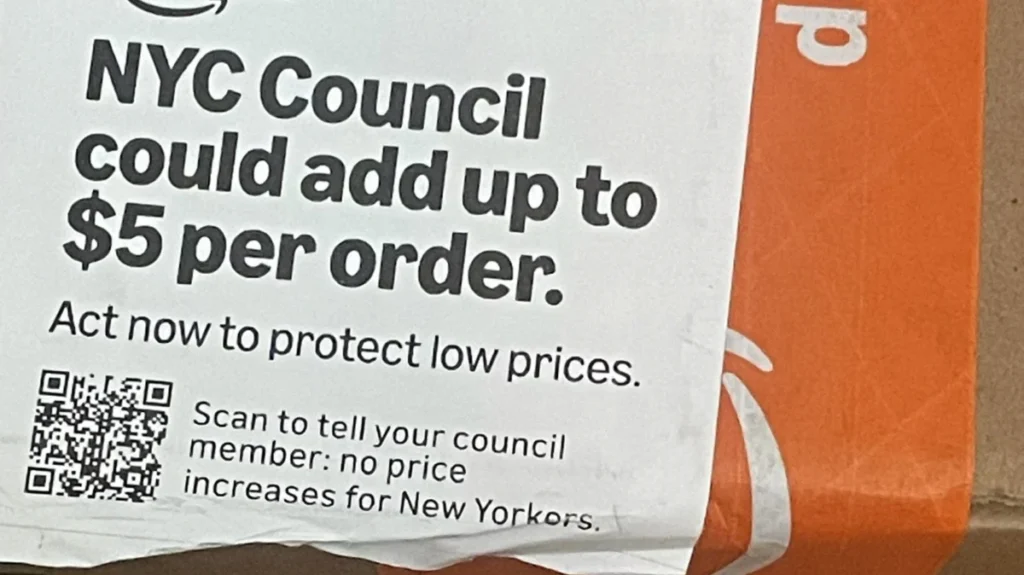
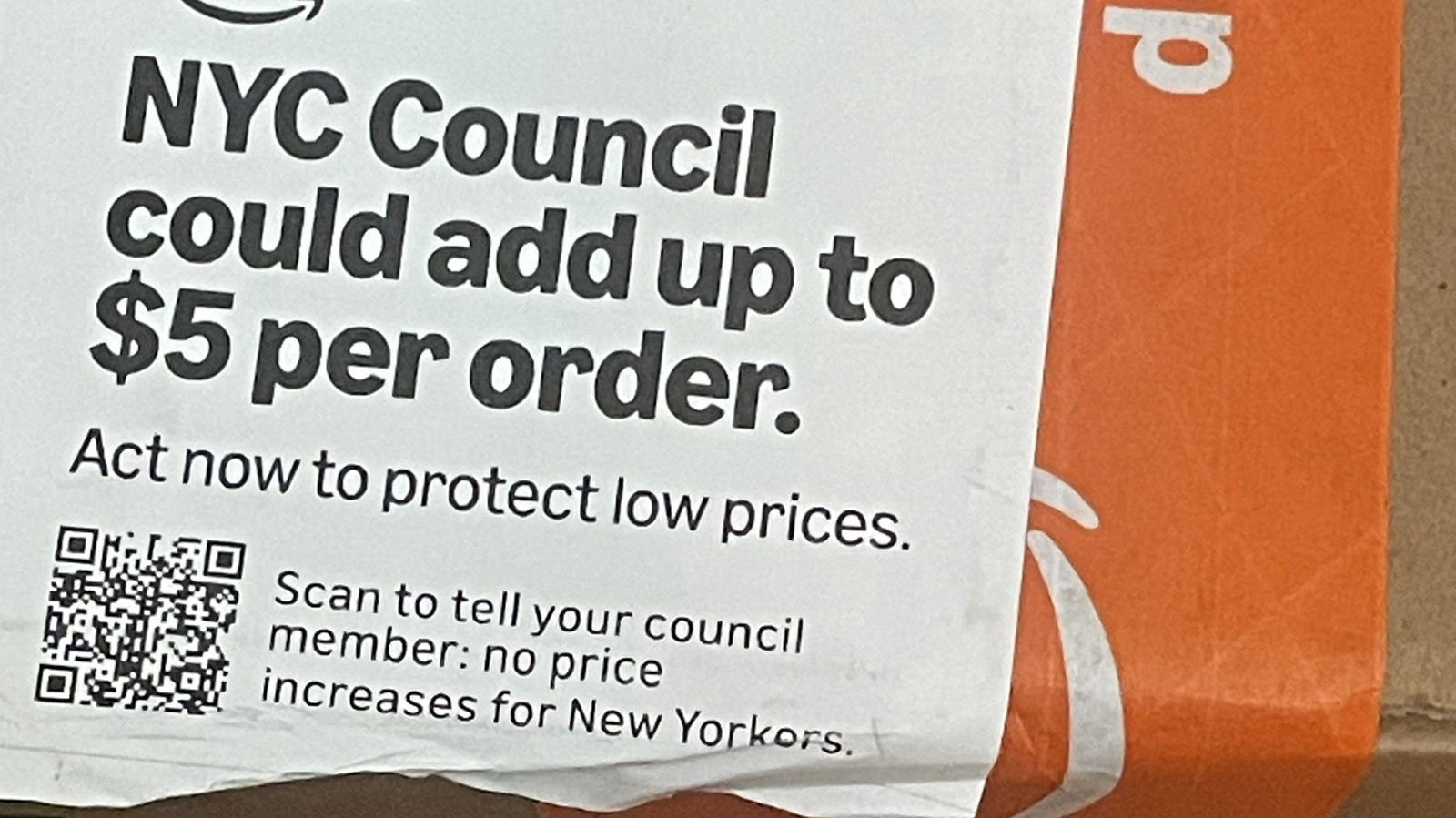
In its latest and most aggressive salvo against New York City’s proposed Delivery Protection Act, e-commerce giant Amazon is taking its lobbying efforts directly to the doorsteps of its customers. The company has begun applying physical stickers to packages delivered across the five boroughs, warning residents that the legislative changes could drive up consumer costs by "up to $5 per order."
The unusual grassroots-style tactic, which has been widely documented by disgruntled customers across social media platforms like Reddit and reported extensively by tech outlets such as The Verge, marks a significant escalation in Amazon’s public relations war against local lawmakers. Rather than relying solely on traditional lobbying channels or corporate statements, the retail behemoth is now leveraging its massive physical logistics network to turn everyday deliveries into mobile billboards for its political opposition.
The controversy centers on the Delivery Protection Act, formally known as Intro 518, which gained prominent political momentum in August when New York City Mayor Zohran Mamdani announced his full support for the legislation. The bill targets the mechanics of modern e-commerce fulfillment, specifically aiming to reform how high-volume delivery companies handle the critical final stage of the shipping process.
At the heart of the debate is the industry-standard reliance on independent contractors rather than traditional W-2 employees for last-mile deliveries. Major corporations, most notably Amazon, rely heavily on a vast network of third-party delivery service partners and independent drivers to transport packages from urban distribution hubs directly to residential doorsteps. The proposed legislation would introduce stringent new licensing requirements for these last-mile operations. More significantly, it would mandate that last-mile delivery workers be classified as direct company employees rather than independent contractors, fundamentally altering the operational model that underpins modern speedy delivery networks.
Supporters of the legislation, including the influential Teamsters union and various labor advocacy groups, argue that the bill is a necessary step to curb corporate exploitation and introduce accountability into the gig-economy logistics sector. Proponents contend that reclassifying delivery workers as direct employees will provide these professionals with stable wages, guaranteed benefits, healthcare access, and safer working conditions. From the perspective of labor advocates, corporations like Amazon have long dodged their full responsibilities as employers by hiding behind layers of independent contracting frameworks.
However, Amazon has mounted a ferocious defense against the bill, warning that the structural overhaul would deal a devastating blow to both its business model and the consumers who rely on its services. The company has repeatedly stated that forcing the conversion of independent contractors into direct employees would introduce staggering operational costs, inevitably leading to significantly slower delivery times and drastically higher prices for New York City shoppers. In corporate statements released prior to the package sticker campaign, Amazon even went so far as to threaten that it might be forced to relocate or scale back its distribution centers out of New York City altogether to evade the heavy regulatory burden.
The physical stickers appearing on New York packages represent the latest evolution in Amazon’s multi-pronged public awareness campaign. Prior to affixing physical warnings to cardboard boxes, the company began deploying digital alerts within its mobile shopping application, warning app users that pending municipal legislation threatened to disrupt their shopping experience with extra fees.
The newly discovered package stickers feature stark warnings regarding the projected financial impact, accompanied by a prominently displayed QR code. When scanned with a smartphone camera, the QR code directs consumers to an online portal designed to facilitate direct communication with local elected officials, allowing residents to easily voice their opposition to the bill.
The strategy, however, has yielded mixed reactions from the very public Amazon is trying to mobilize. Given Mayor Zohran Mamdani’s considerable political standing and the broader public skepticism toward massive technology conglomerates, Amazon’s corporate intervention has sparked widespread debate and resentment among local residents. Many consumers have expressed discomfort or annoyance at finding corporate lobbying materials pasted directly onto their personal purchases, viewing the move as heavy-handed corporate propaganda rather than genuine customer advocacy.
Online forums have filled with photos of the stickers alongside critical commentary from bewildered shoppers. On the popular online forum Reddit, user u/SkippyReddit captured a sentiment shared by many local consumers, writing that New Yorkers generally support labor protections and noting that Amazon’s propaganda machine was actively trying to manufacture public dissent where it may not genuinely exist.
As the legislative battle over the Delivery Protection Act continues to unfold in New York City, Amazon’s unprecedented decision to use its own packaging as a political megaphone highlights the high stakes involved in the ongoing debate over gig-economy labor practices and last-mile logistics regulation.
Related News