Audubon Rockies Appoints Julie Shapiro as New Vice President to Lead Regional Conservation Efforts
Article Editorial Team
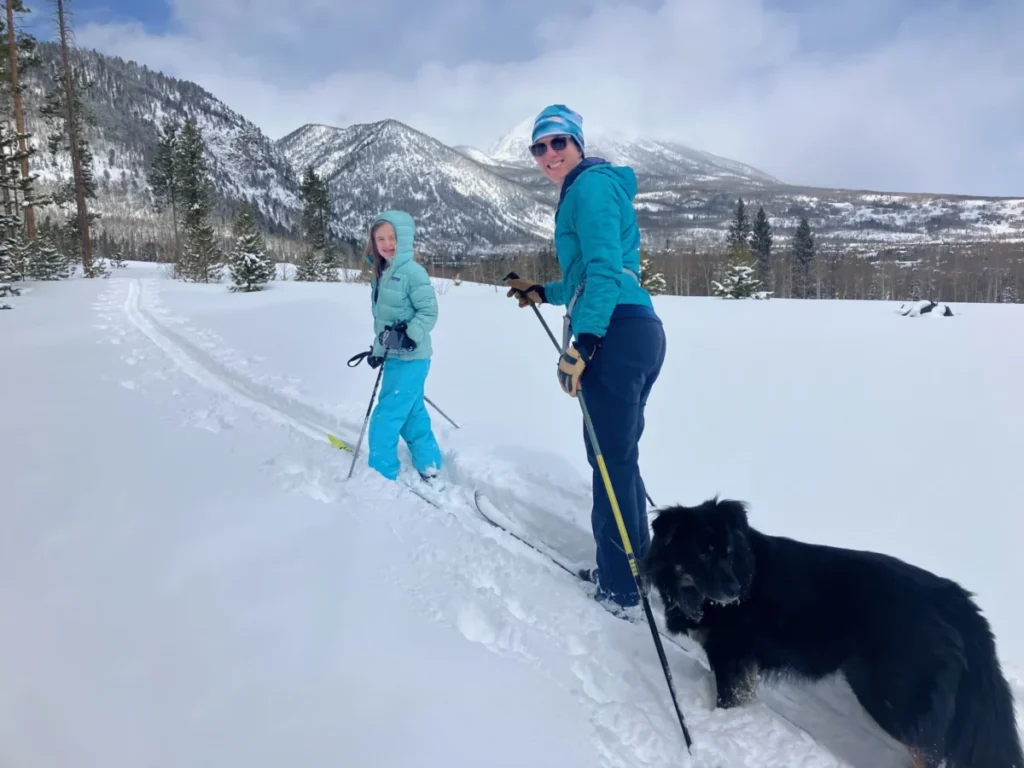
Audubon is pleased to announce the appointment of Julie Shapiro as the new Vice President of the Rockies region. Shapiro, a veteran professional with over two decades of experience in natural resource management, environmental policy, and strategic planning, steps into the role with a clear mandate: to bolster the organization’s presence and impact across the diverse landscapes of the American West. Her arrival marks a significant moment for the regional branch, as it looks to navigate the increasingly complex challenges of biodiversity loss and climate change in a region known for its ecological importance and fragile habitats.
Shapiro’s career has been defined by a commitment to collaborative, science-based solutions. Throughout her twenty years in the field, she has navigated the intersection of environmental education, public policy, and landscape-level conservation. By integrating these disciplines, she aims to lead the Audubon Rockies team toward more effective, community-driven outcomes. Her appointment is seen as a strategic move to harmonize the organization’s mission with the practical realities of land and water management in the Rockies, a region that serves as a critical corridor for migratory birds and a vital source of water for millions of people.
In a recent interview, Shapiro shared her enthusiasm for the new role, noting that the mission and values of the National Audubon Society have long resonated with her professional trajectory. "I am inspired by Audubon’s mission, values, and impact, and I am thrilled to advance these in the Rockies region," Shapiro said. "Most of my career has focused on collaborative, science-based approaches to natural resource challenges in the American West and beyond, complemented by early work in environmental education. Audubon brings all this together."
For Shapiro, the position is not merely professional; it is deeply personal. Having spent much of her life forging connections through outdoor experiences, she views the Rockies as more than just a workplace—it is a landscape that requires dedicated stewardship. She expressed a firm commitment to advancing work in land and water conservation, climate action, and community building, with the ultimate goal of protecting the specific bird populations and habitats that define the character of the Rocky Mountain region.
As she settles into her new leadership position, Shapiro is prioritizing the act of listening and learning. Her immediate goals involve connecting with the existing team and external partners to understand the nuances of the work currently underway. By fostering these relationships, she plans to strategically strengthen the organization’s reach, ensuring that Audubon Rockies continues to act as a leader in climate resilience and environmental policy. She views this period of transition as an opportunity to build upon existing successes while identifying new avenues for growth and impact.
Looking ahead toward the next five to ten years, Shapiro envisions a transformed regional landscape. Her aspirations for the future are centered on a "thriving" ecosystem where bird populations, habitats, and human communities coexist in a state of resilience. She emphasizes that achieving this will require Audubon to tackle the dual crises of biodiversity loss and climate change with both boldness and humility. Shapiro hopes to see a future where climate-resilient lands and waters are the norm, and where communities are empowered to engage with nature to develop lasting, sustainable solutions. She is particularly focused on ensuring that Audubon’s strategic leadership remains a cornerstone of conservation efforts in the region, providing the necessary guidance to navigate the challenges of a rapidly changing climate.
When asked to distill her conservation philosophy into a single word, Shapiro chose "collaborative." This focus on collaboration is the bedrock of her leadership style. She believes that the most enduring environmental results are achieved when multiple stakeholders—ranging from local communities and policymakers to scientists and activists—work in concert.
Her connection to the region is further illustrated by her personal experiences with the local birdlife. Living at an elevation of 9,000 feet, Shapiro has developed a keen appreciation for the birds that inhabit the high-altitude environments of the Rockies. She cites the Western Tanager as a favorite summer sight at mountain lakes, and she speaks with palpable enthusiasm about watching Ospreys and Bald Eagles hunt along the Green and Colorado Rivers. These moments, she notes, are what solidify her sense of place. Even in the harsh winter months, she remains observant of the wildlife around her home, including Steller’s Jays, Hairy Woodpeckers, chickadees, and Dark-eyed Juncos. These small daily encounters with nature, often occurring alongside local wildlife like moose, bears, and deer, inform her understanding of the interconnectedness of the ecosystem she is now tasked with protecting.
When asked to characterize her leadership style through the lens of a bird species, Shapiro identifies with the Great Horned Owl. She describes the choice as one rooted in the bird’s reputation for being strategic, adaptive, and observant. "I aim to be a strategic, adaptive, thoughtful, and collaborative leader," she explained. "I try to first listen, learn, and observe, see the big picture, build relationships, and understand the dynamics and connections around me." This analytical approach is balanced by a results-oriented mindset. While she is comfortable making decisive actions when the moment demands it, she remains steadfast in her belief that the highest quality decisions are those informed by diverse perspectives and deep, contextual understanding.
Shapiro’s connection to the geography of the Rockies is profound, and she counts the Gore Range of Colorado as her favorite spot in the region, noting that even a lifetime of exploration would not be sufficient to fully uncover its secrets. Her love for the outdoors is multifaceted; she finds joy in both the winter solitude of cross-country skiing and the summer rigor of hiking. She views these activities as essential components of her life, often combining them into larger adventures whenever possible.
Perhaps most revealing of her character is her perspective on what one should bring to an outdoor excursion. Beyond physical equipment, Shapiro emphasizes the importance of internal resources. "The most important item to remember—and that can travel anywhere—is gratitude," she noted. "Followed by curiosity. If you pack those two things, it’s going to be a great trip."
As she embarks on this new chapter with Audubon, Shapiro carries that same sense of curiosity into her work. She remains deeply grateful for the opportunity to contribute to the organization’s long-term goals and is eager to discover what the Rockies team can accomplish together. For the staff and partners of Audubon Rockies, her arrival signifies a new phase of strategic development, built on a foundation of experience, collaboration, and a profound respect for the landscapes and wildlife they are committed to defending. The organization looks forward to the leadership and vision that she will bring to the vital work of protecting the birds and places that make the Rockies a unique and essential part of the American landscape.
Related News